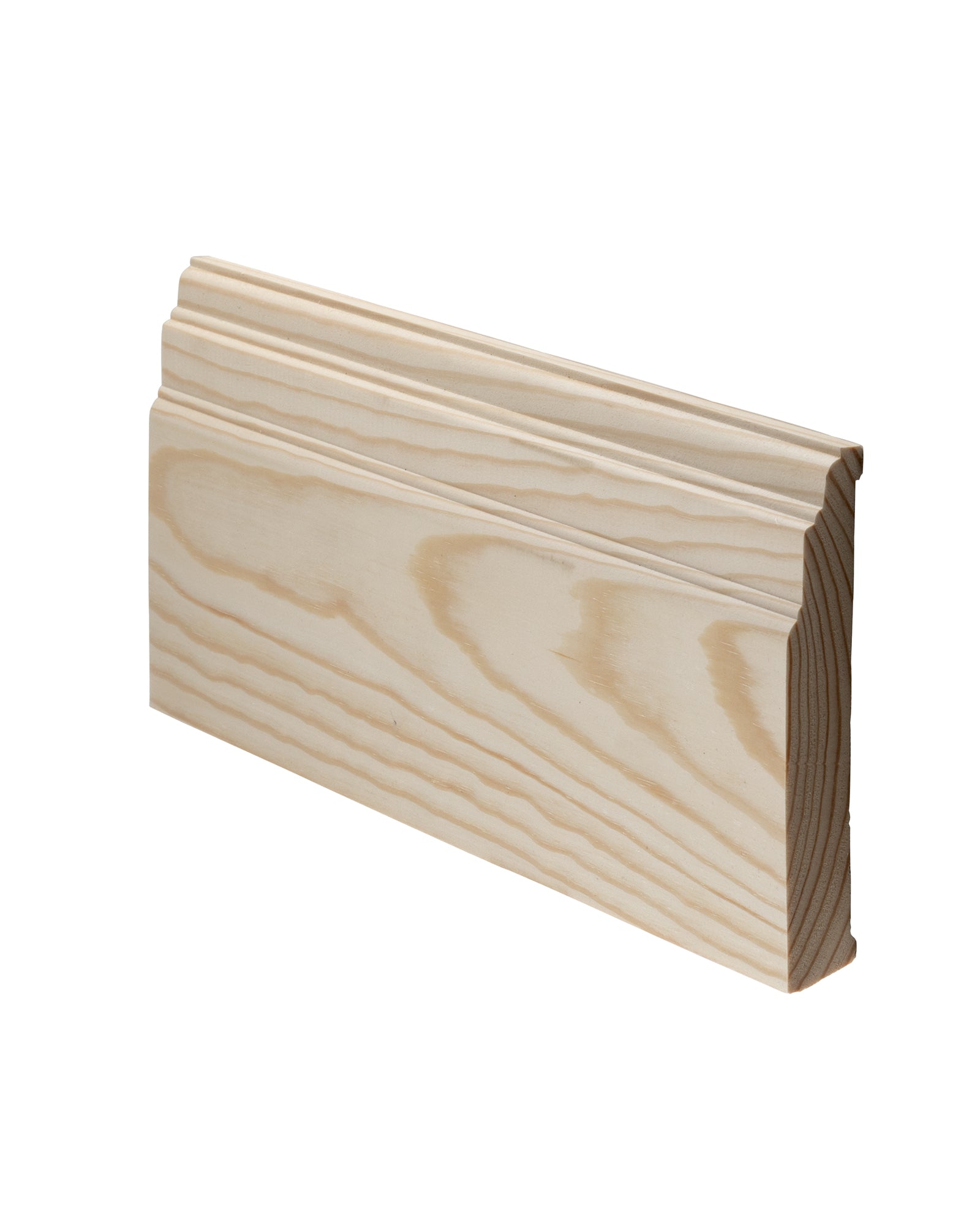
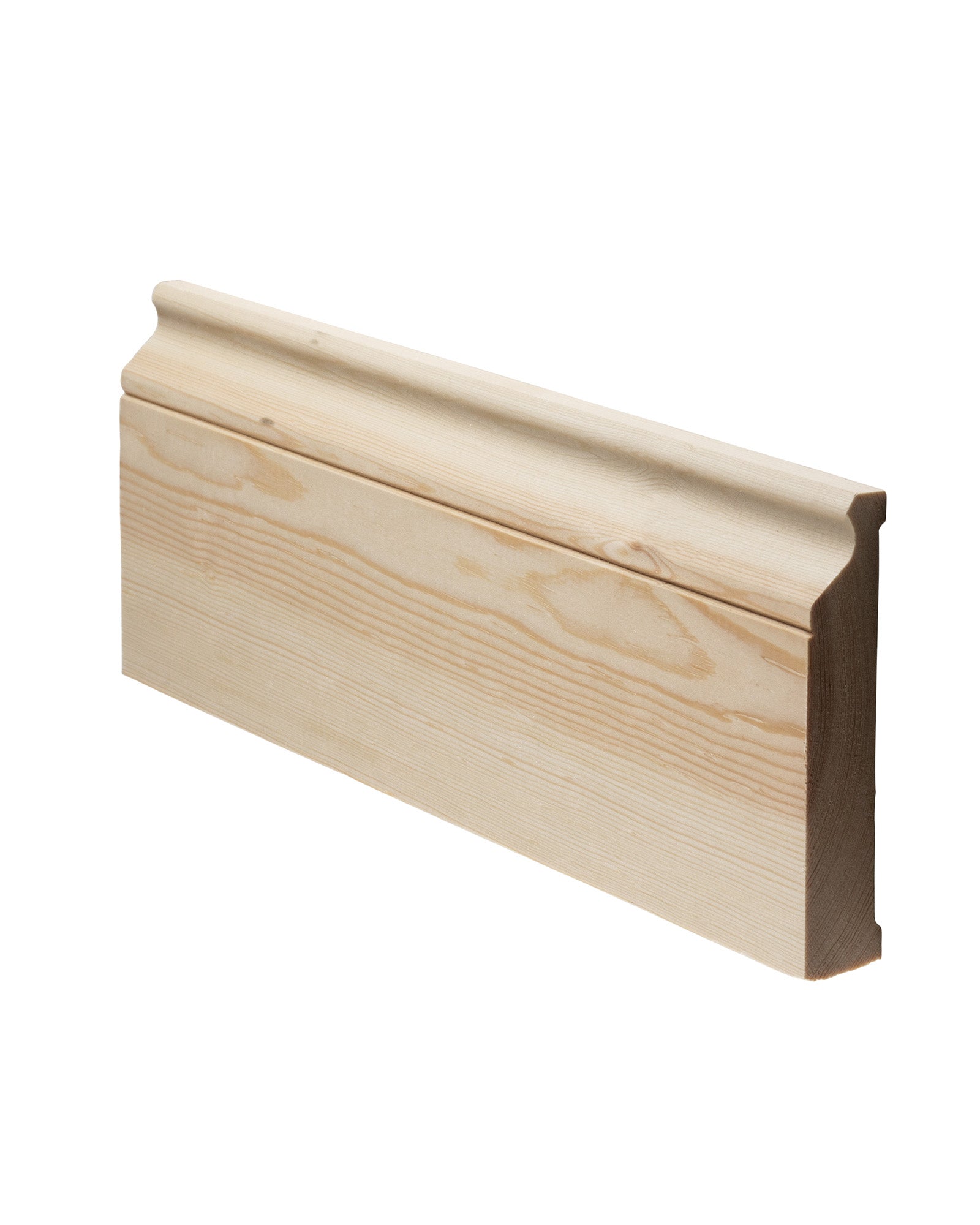
In addition to covering the gap between the wall and the floor and protect against drafts, the floor trims also should protect the wall from wear. The appearance of the trims has, however, been changed somewhat over time.
Floor trims through the ages
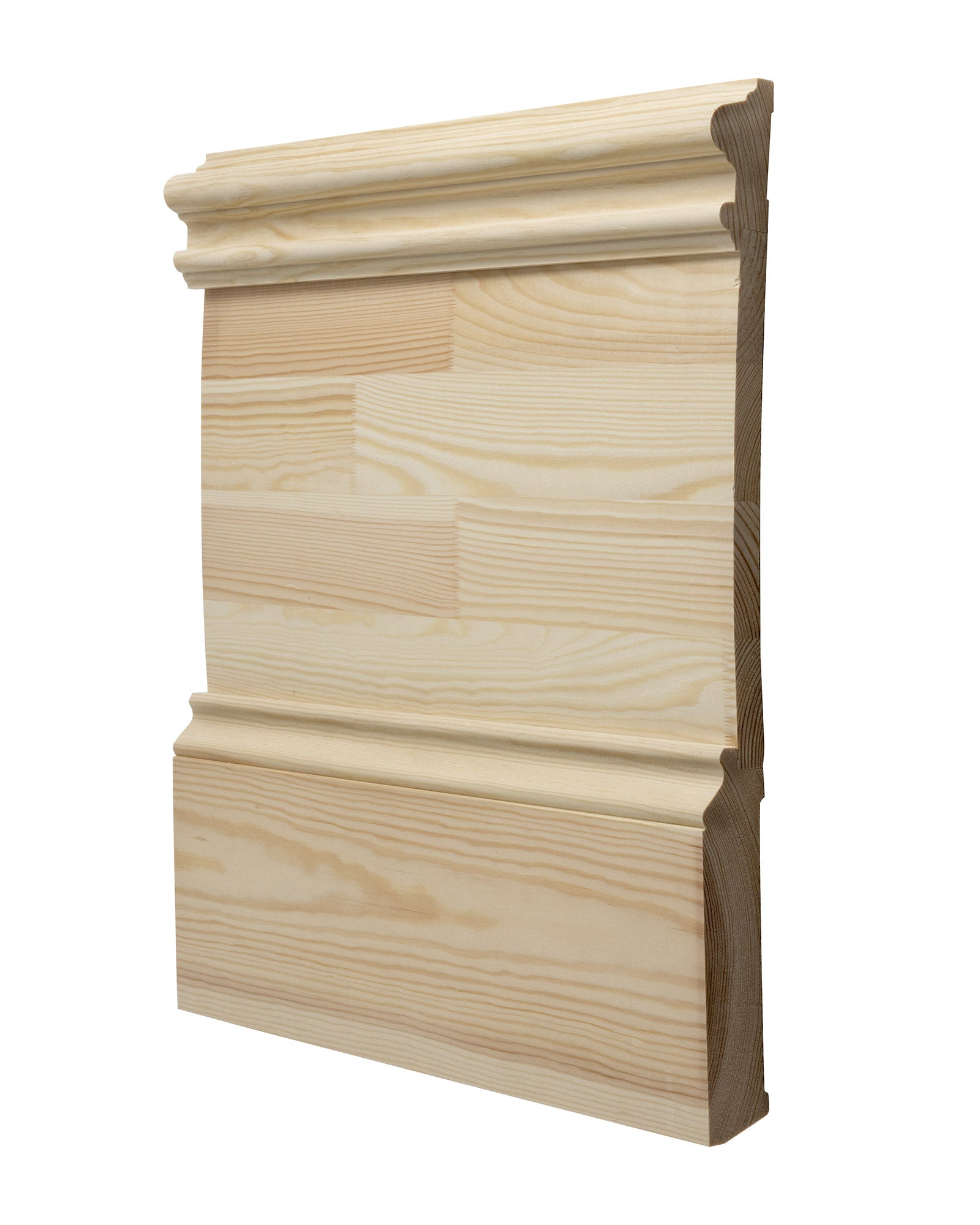
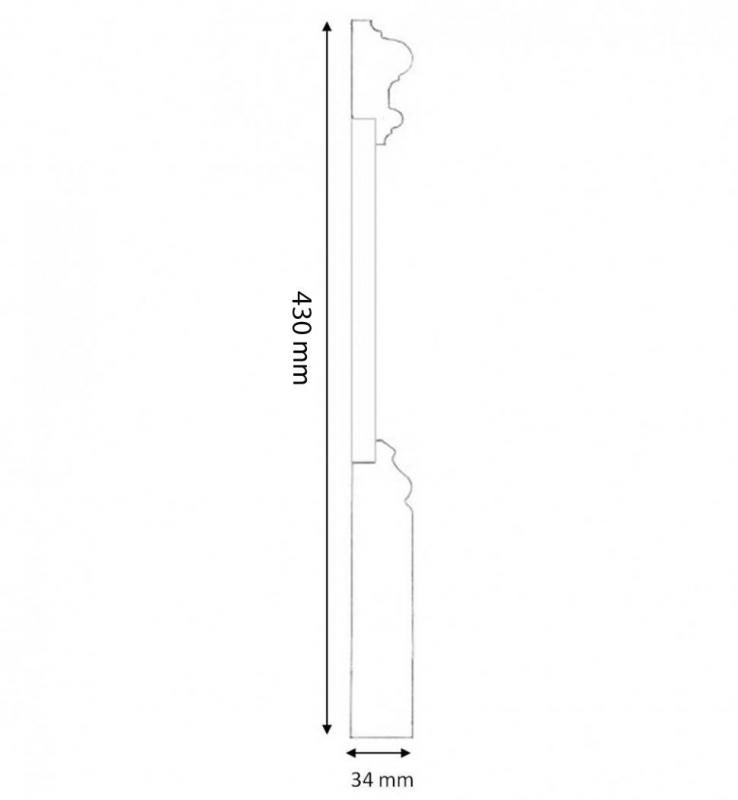
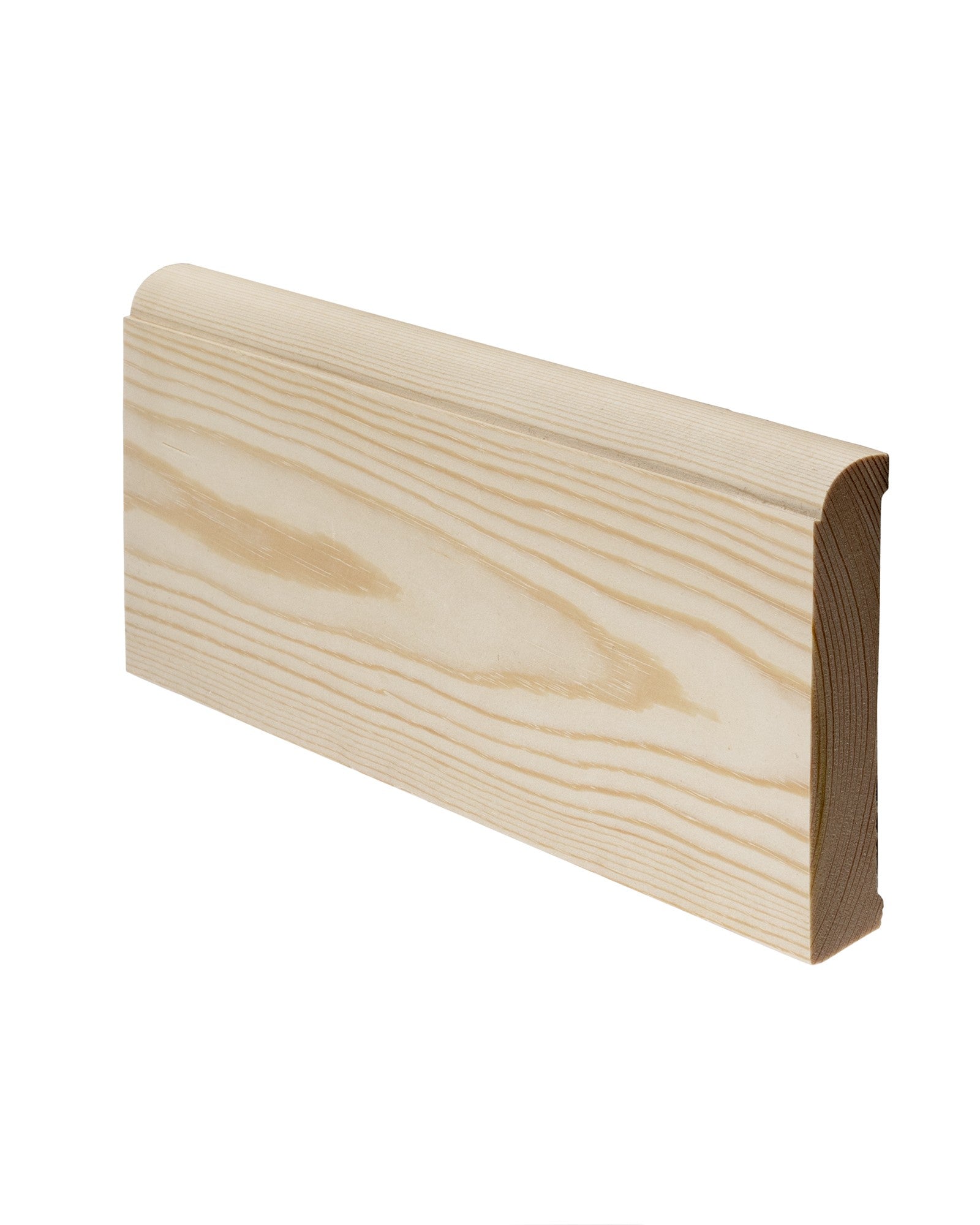
At the end of the 19th century, it was very popular with high, heavily profiled three-piece floor trims. The higher trims were mainly mounted in the finer rooms, where you spend more money on the joinery. The bases consisted of a profiled bottom trim, a smooth board and an end list at the top, for a total height of 30-40 cm (11.8-15.7 in.). By the turn of the century around the 1900s, the floor trims were still relatively high and still profoundly profiled. During the early 1900s, the floor trims became both lower and simpler with only a plain rounding at the top or a few millings.
Tips for mounting
Where the door architraves meets the floor, you often use a plinth block. It had the same height as the profiling base socket (+ a few extra millimeters), see sketch. Since the lower part of the door lining was subjected to greater wear than the rest of the lining, the feed socket filled an important function, as it could easily be replaced instead of replacing the entire door architraves.
To match a thicker end list with a thinner architrave, you can cut the list at a 45-degree angle. The same can be done with the bottom trim, see image.
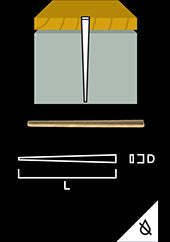
For a white list, you'd preferably choose a white nail or strip nail with a rectangular shaft. The list nail is used indoors to attach strips, sockets and lining, etc. in lightweight concrete and other porous stone materials.