


Style history ~ 1910-1920 National Romanticism
Kitchen & Bathroom
The kitchen during the years 1900-1910
In the workers' dwellings, the kitchen serves as a gathering place for cooking, socializing, and even sleeping. It's not uncommon for the entire family to live in the room, sometimes with boarders as well. People gather around the wood stove or the tiled stove with a heat storage compartment, and there may be a cupboard or open shelves for utensils around the room.
In upscale apartments and villas, the kitchen is a purely functional space with its own entrance, ensuring that kitchen staff, servants, and sometimes even the household's children don't need to enter through the main entrance. The owners typically avoid the kitchen to avoid disturbance from the noise and smells of cooking, so the kitchen is often placed towards the courtyard or the north side, as far away from the main rooms as possible.
From the kitchen, there's usually a serving corridor leading to the dining room. This corridor contains tall, beautifully crafted built-in cabinets with lower cabinets for heavier utensils, drawers for cutlery, and upper cabinets for china, glassware, and serving dishes. There may also be a small work area for staging and a small dishwashing area with a sink.
Inside the kitchen, pots and tools are stored on open shelves or hooks. Food and spices are typically kept in a pantry, often made of tongue-and-groove paneling, placed against the outer wall with either a window or a vent to keep it cool. Additionally, in the kitchen or in a nearby room, there's an icebox where the iceman delivers ice blocks regularly.
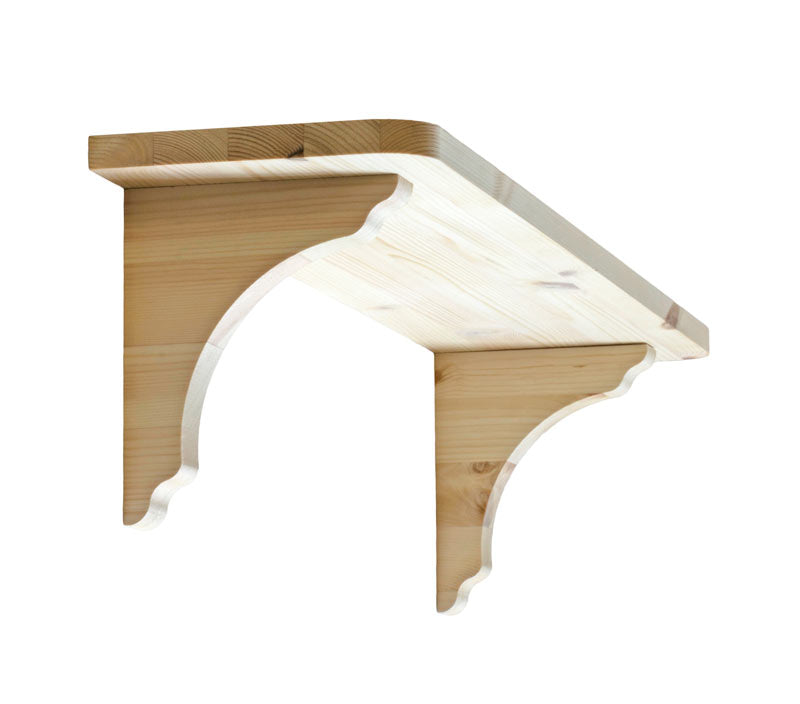
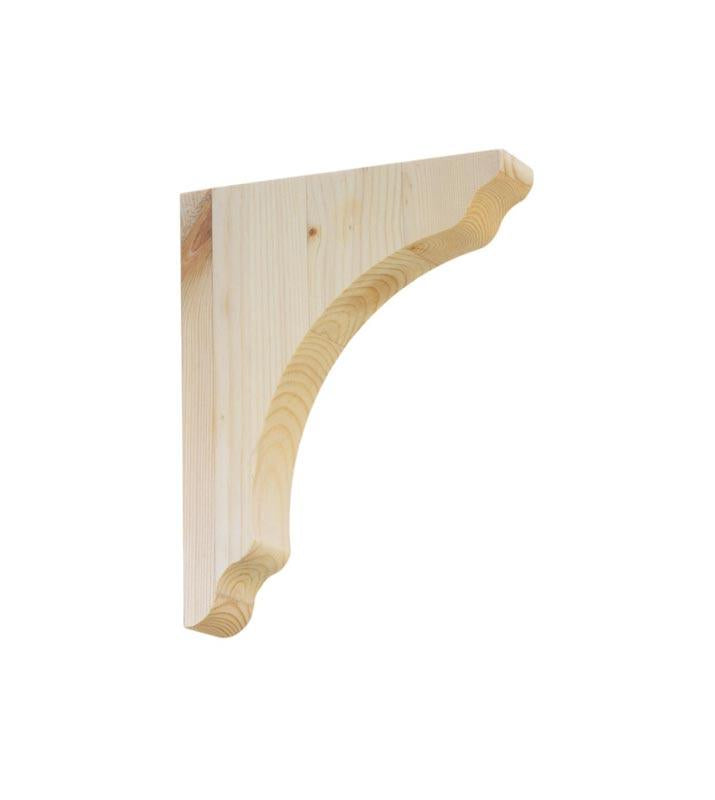
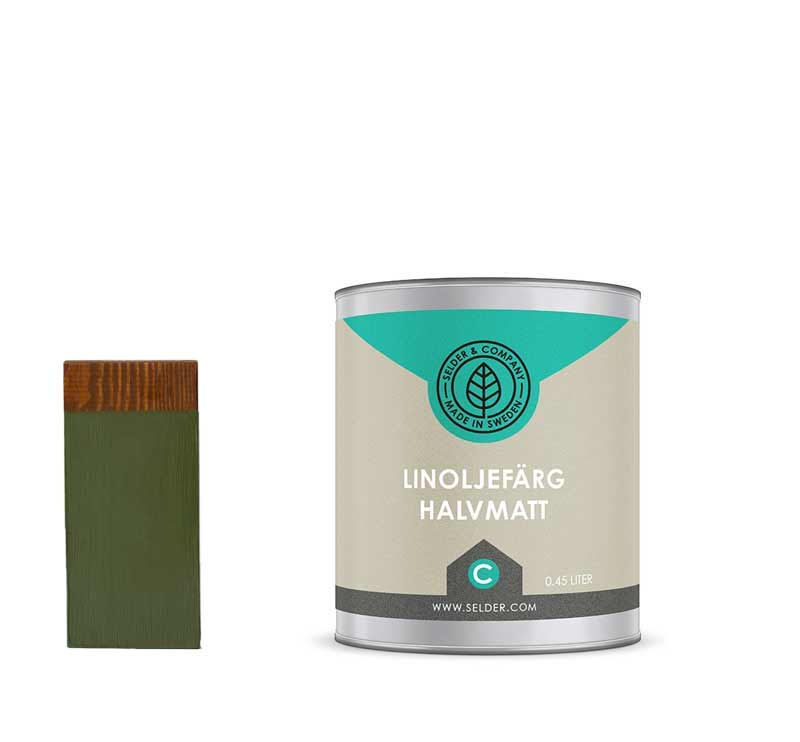
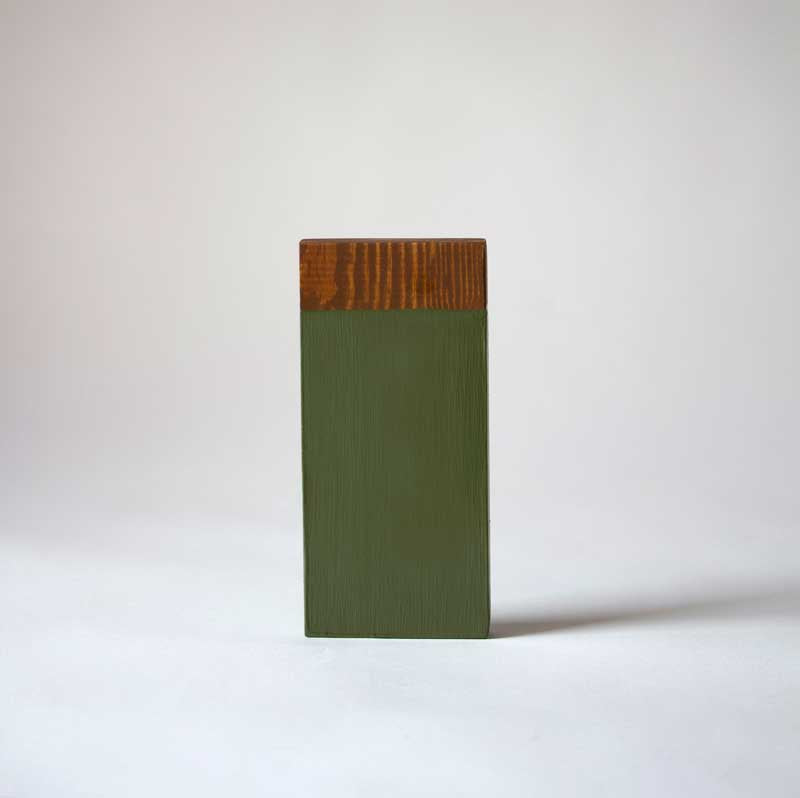
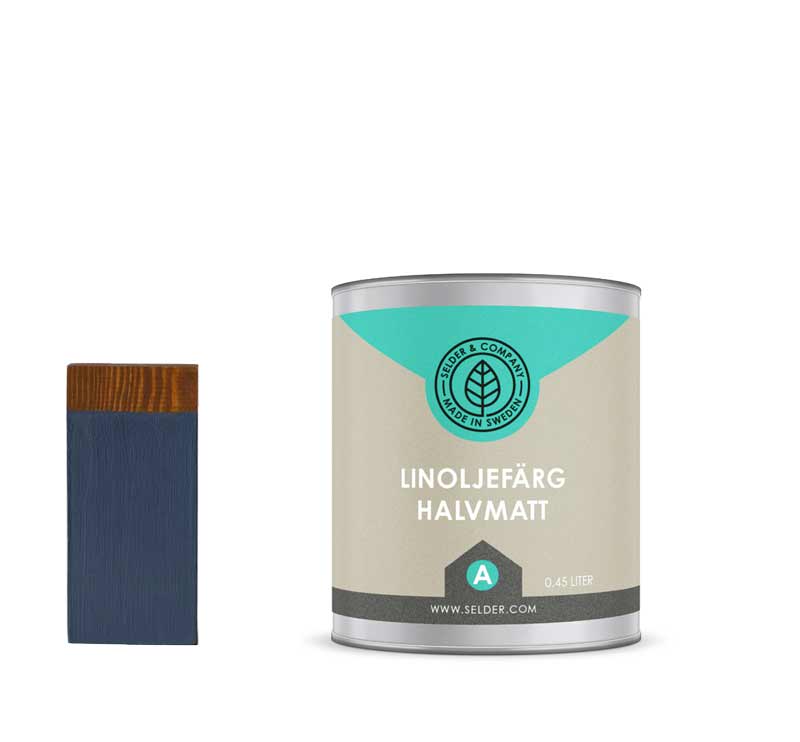
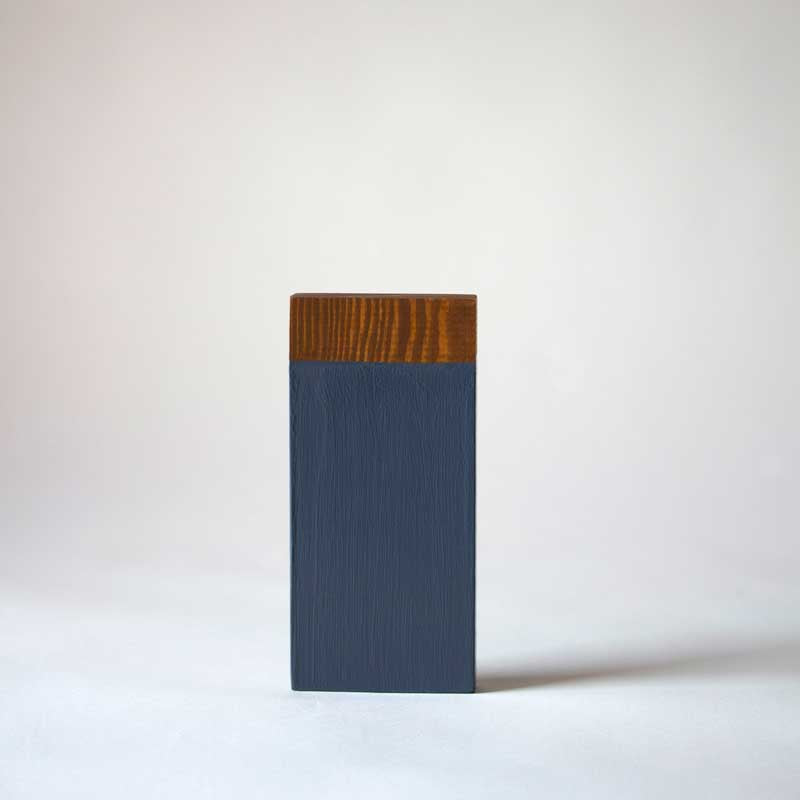
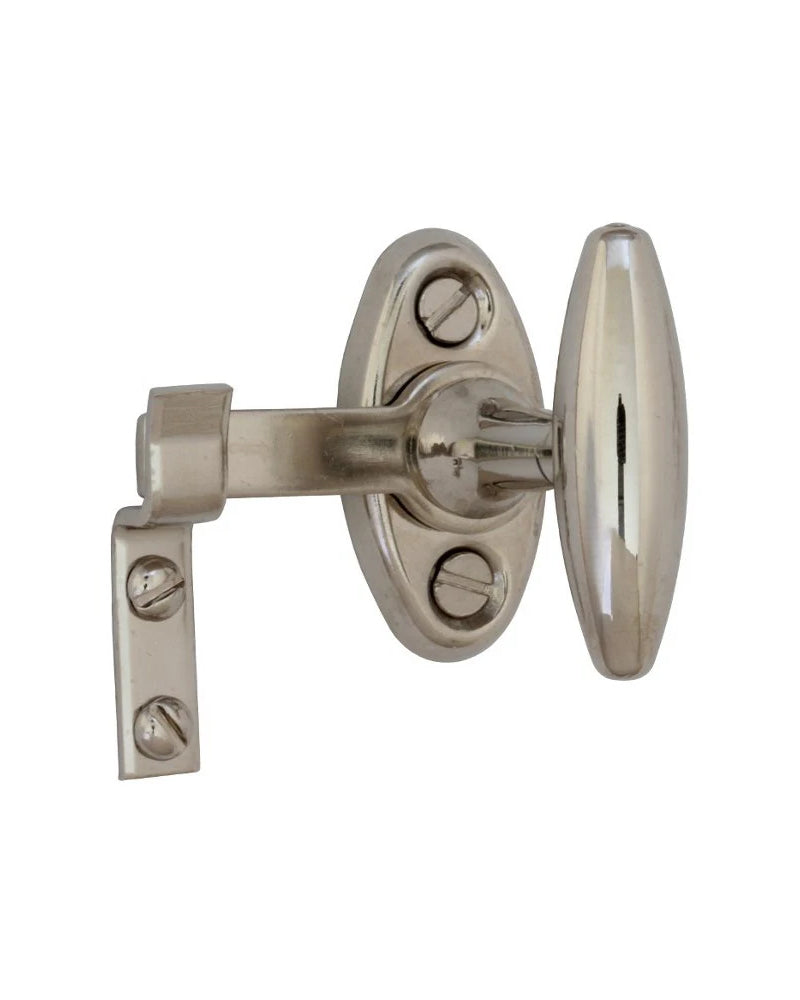
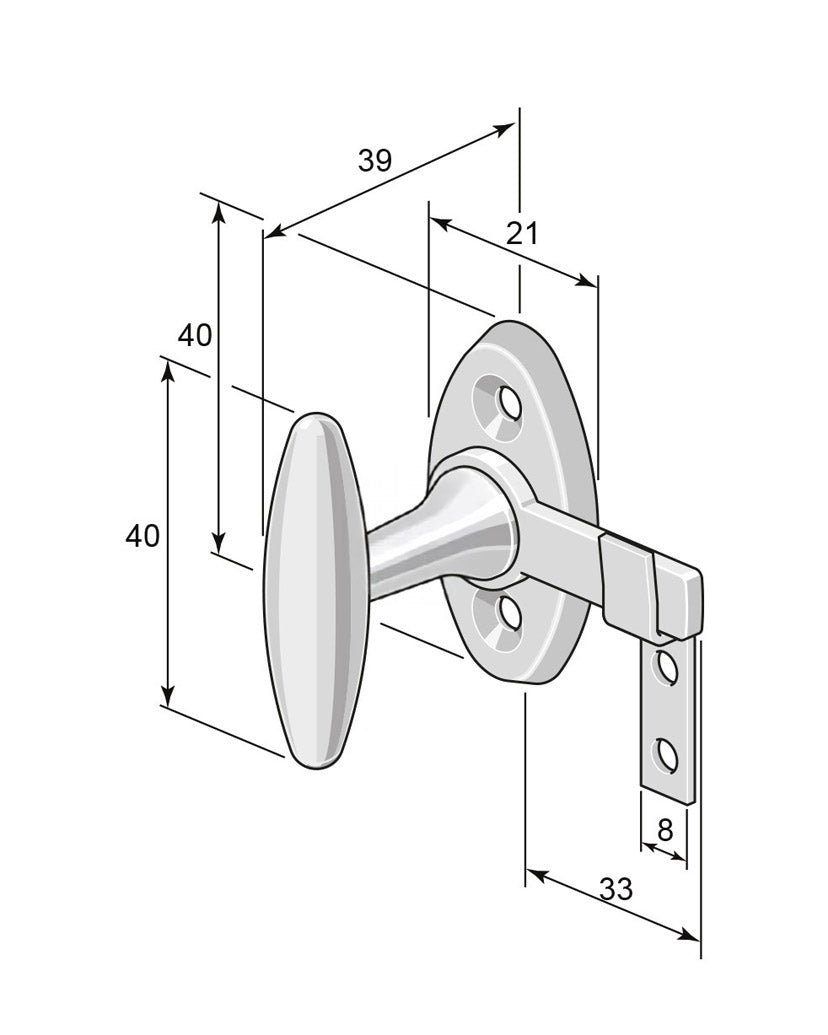

In the 1910s, kitchen cabinets were often painted with zinc green or other strong "folk colors" such as blue and red. The cabinets are opened with simple cabinet knob and external locking mechanism.
Food is prepared on a low counter/workbench with base cabinets and a Carrara marble top. Marble is an excellent surface for food preparation, and after dinner, utensils and crockery are washed in a basin placed on the counter, which may explain its low height. Along the sink is a splash guard which, like the countertop, could be made of marble or zinc. Around 1910, it could also be made of opal glass. If the counter is only used as a workbench, it is often made of wood, or possibly oiled. There is a sink in the kitchen, but it is only used as a drain. Around the sink, there may be both zinc sheet metal or enameled cast iron.
The kitchen is equipped with a tall wall cabinet that opens with a key. The heart of the kitchen consists of the wood-burning stove, which was gradually replaced by the gas stove from the early 20th century. Around the stove, tiles with bevelled edges are placed without joints, and if the kitchen is particularly luxurious, the tiles can also be fitted with borders and pilasters. (The joints were sealed with chalk, pigment, and water, and later with white tile grout.) The kitchen has a lower status than most other rooms, and while the living rooms are fitted with fine woodwork, the kitchen is designed to be easy to wipe down and keep clean. The walls can be smooth plastered, but it is especially popular to cover them and the ceiling with beadboard paneling. Some also choose to put up wallpaper. However, the woodwork is painted or grained in the same colors as the rest of the home.

Hygiene - 1910s
Newly built apartments and villas are now often equipped with their own washrooms (toilets) featuring washbasins, toilet tables, and bathtubs. However, it will take until the 1920s before toilets become common, due to limitations in connecting toilets to the sewage systems in major cities. Toilet needs are still commonly met with outhouses placed in the yard.
Daily hygiene for most people still consists of washing hands and face using a washbasin and washbowl. Bathing is rarely done, and when it is, it's typically in a tub on the kitchen floor or possibly in a communal bathtub in the basement of a rental building. Those with means also have the option to visit public bathhouses.
For those without cold water piped into the house, water is drawn from a well in the yard and heated on the stove. With technological advancements, cleanliness and dirt become a clear divide between the rich and the poor. Bathtubs are freestanding and made of cast iron, with feet shaped like lion paws or bird claws. Washbasins often have separate hot and cold water taps. They are deep and have a raised back edge to protect against splashing water. Until the 1940s, taps often had a porcelain knob labeled "hot" or "cold." The room is decorated with ceramic tiles, limestone, or marble on the floor. The walls are covered with tongue-and-groove paneling or tiles, and details are made of brass.