


Victorian Floor Tiles
Do you love the English style of tiles? Then you should look a little extra on Victorian floor tiles from Winkelmans. If anyone can create beautiful floor tiles, it is them. From us, you buy genuine and periodic furnishings of high quality.
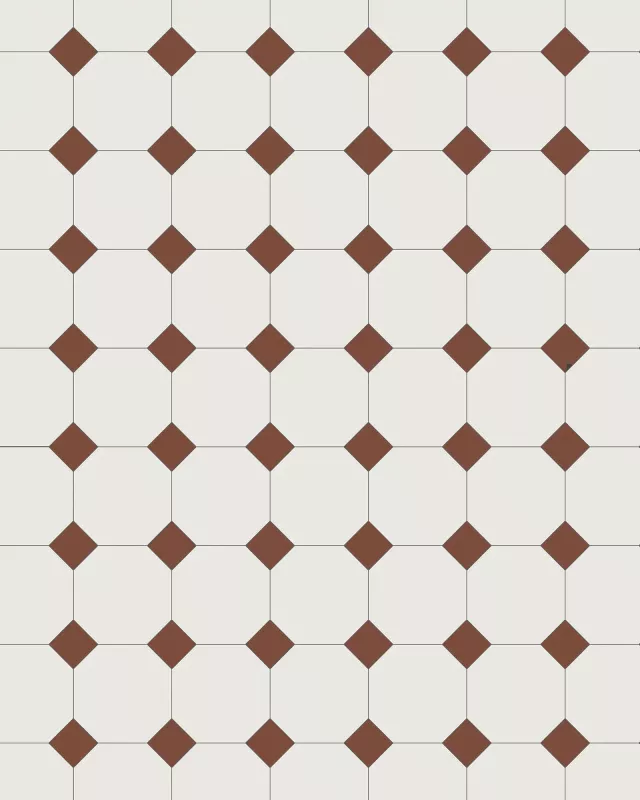

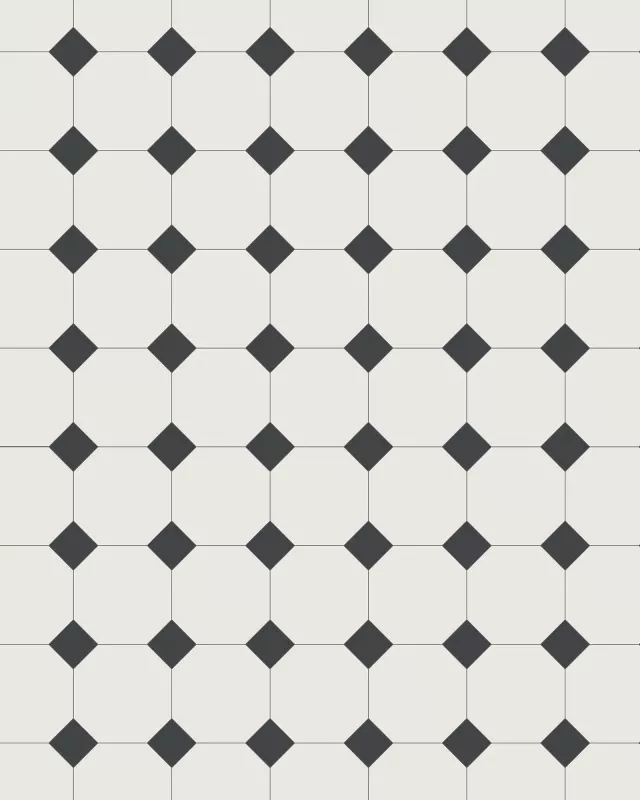

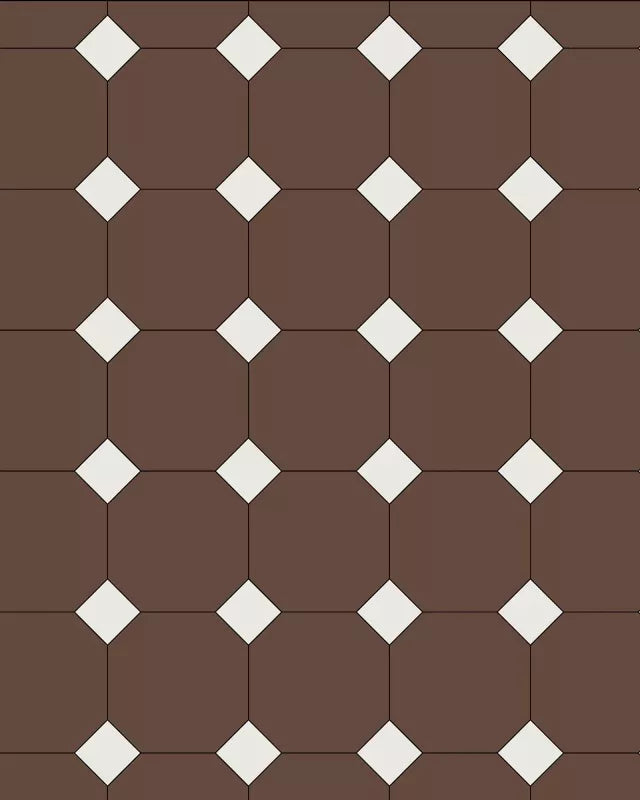
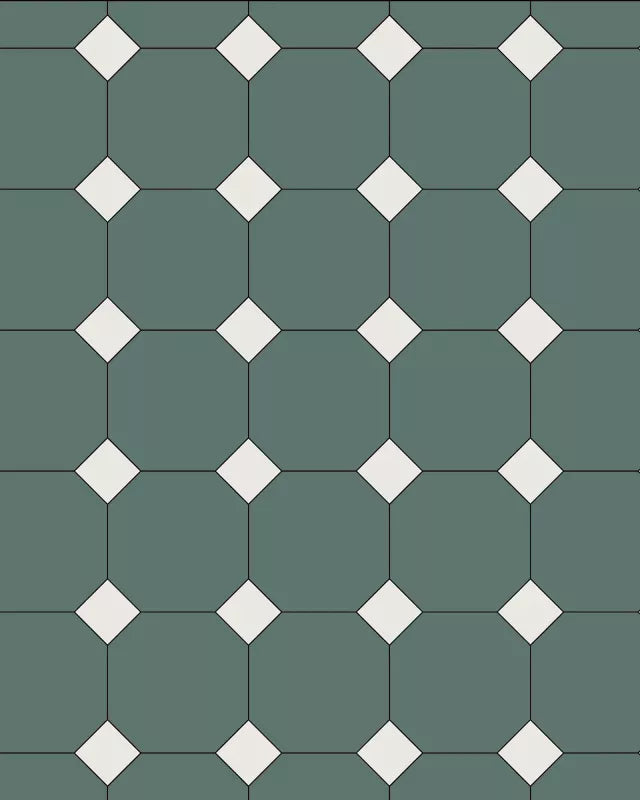
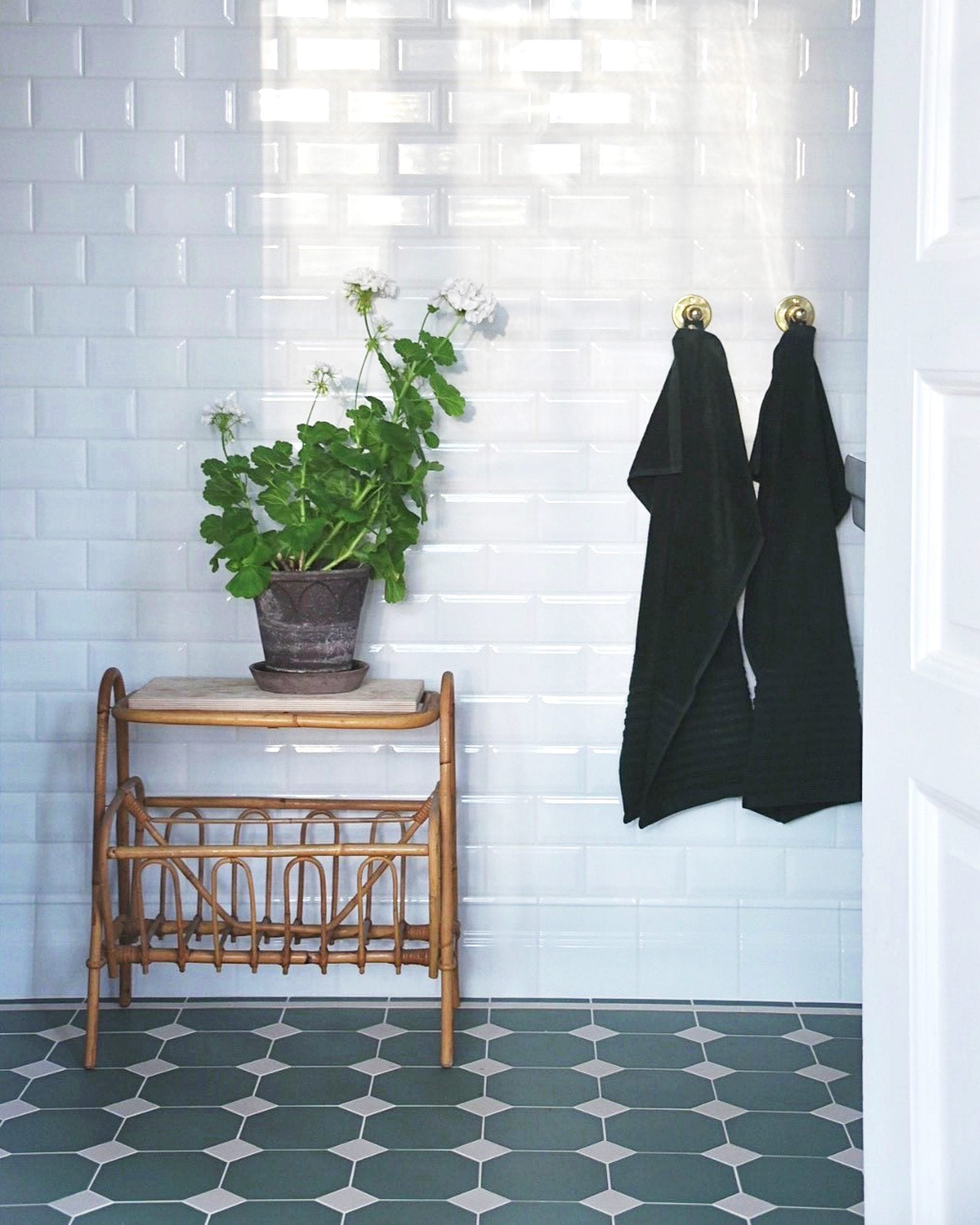
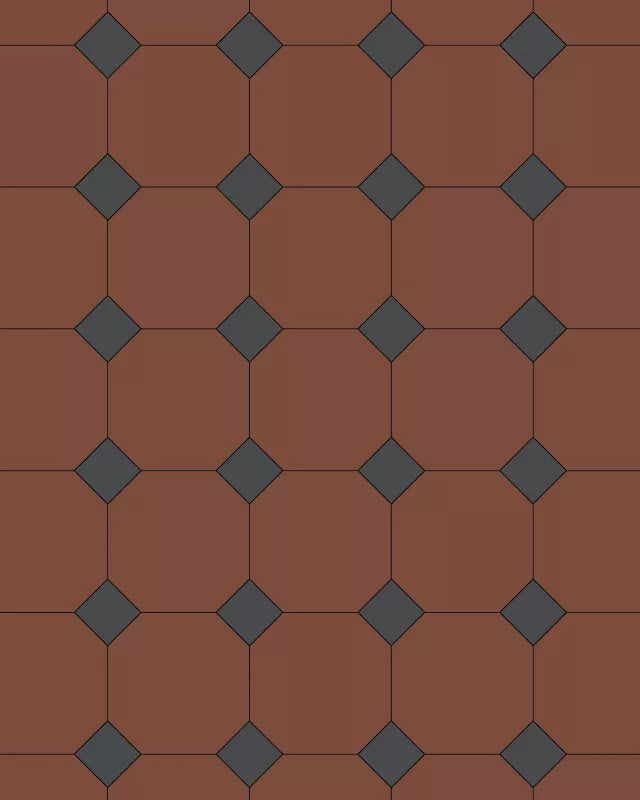
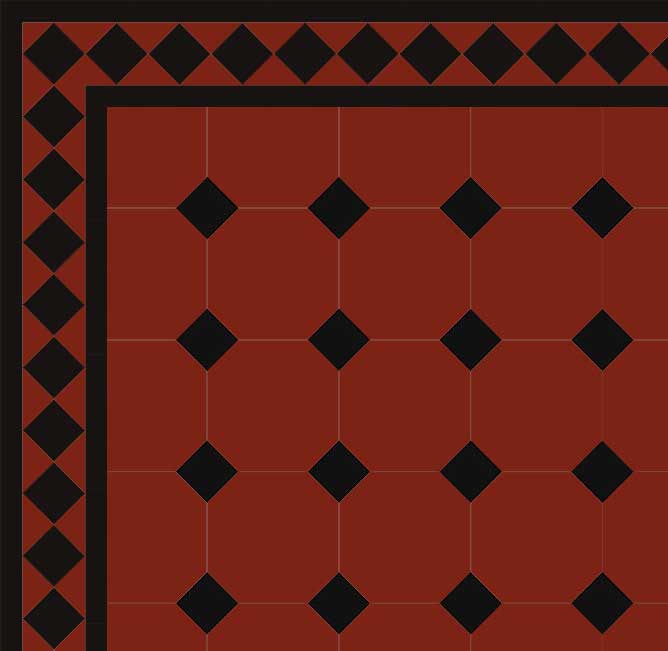
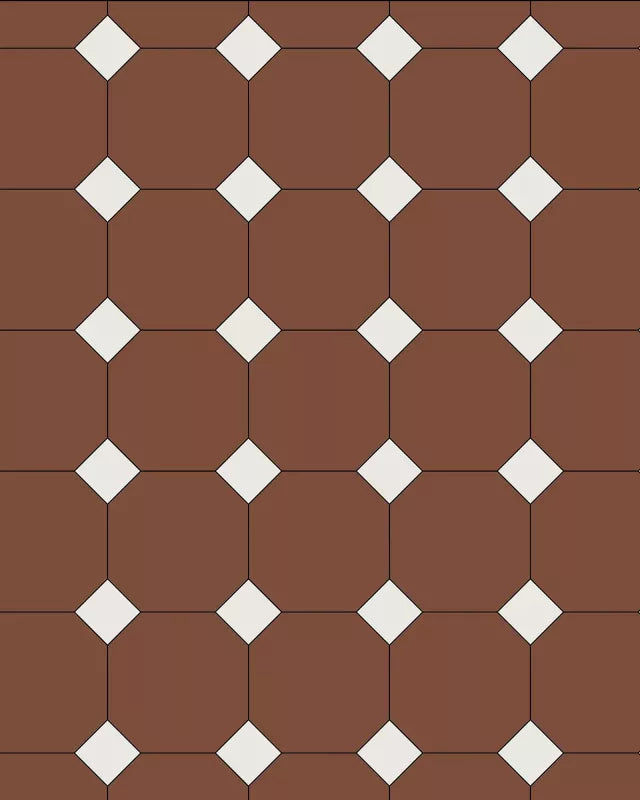
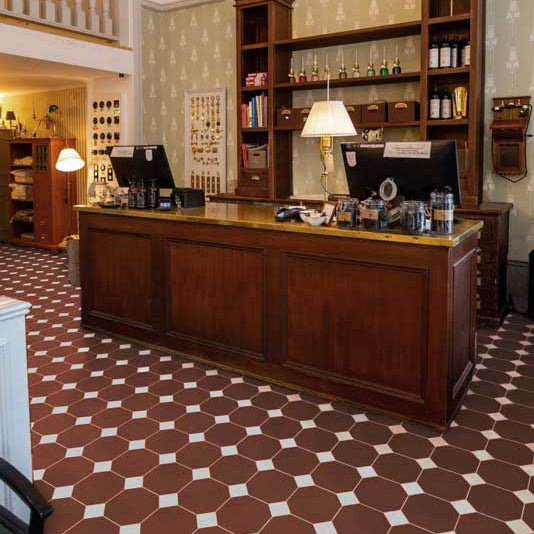
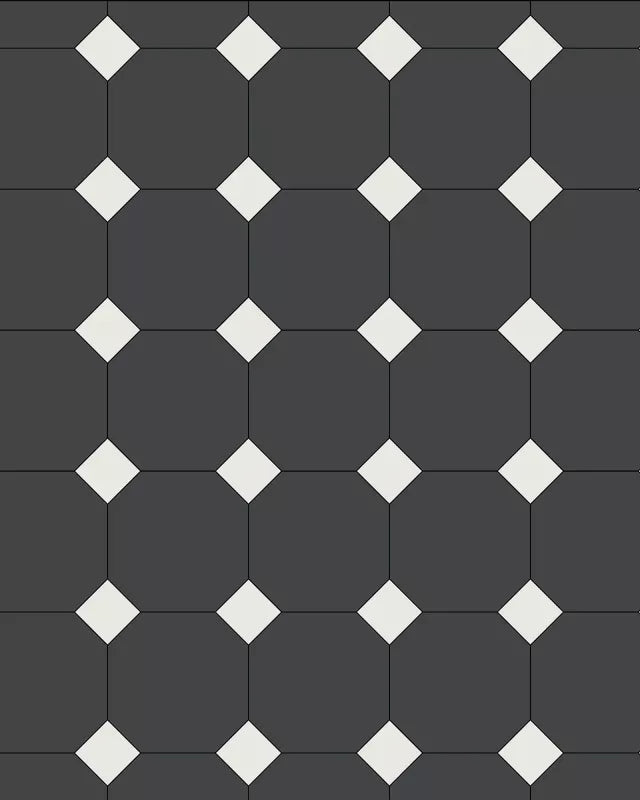
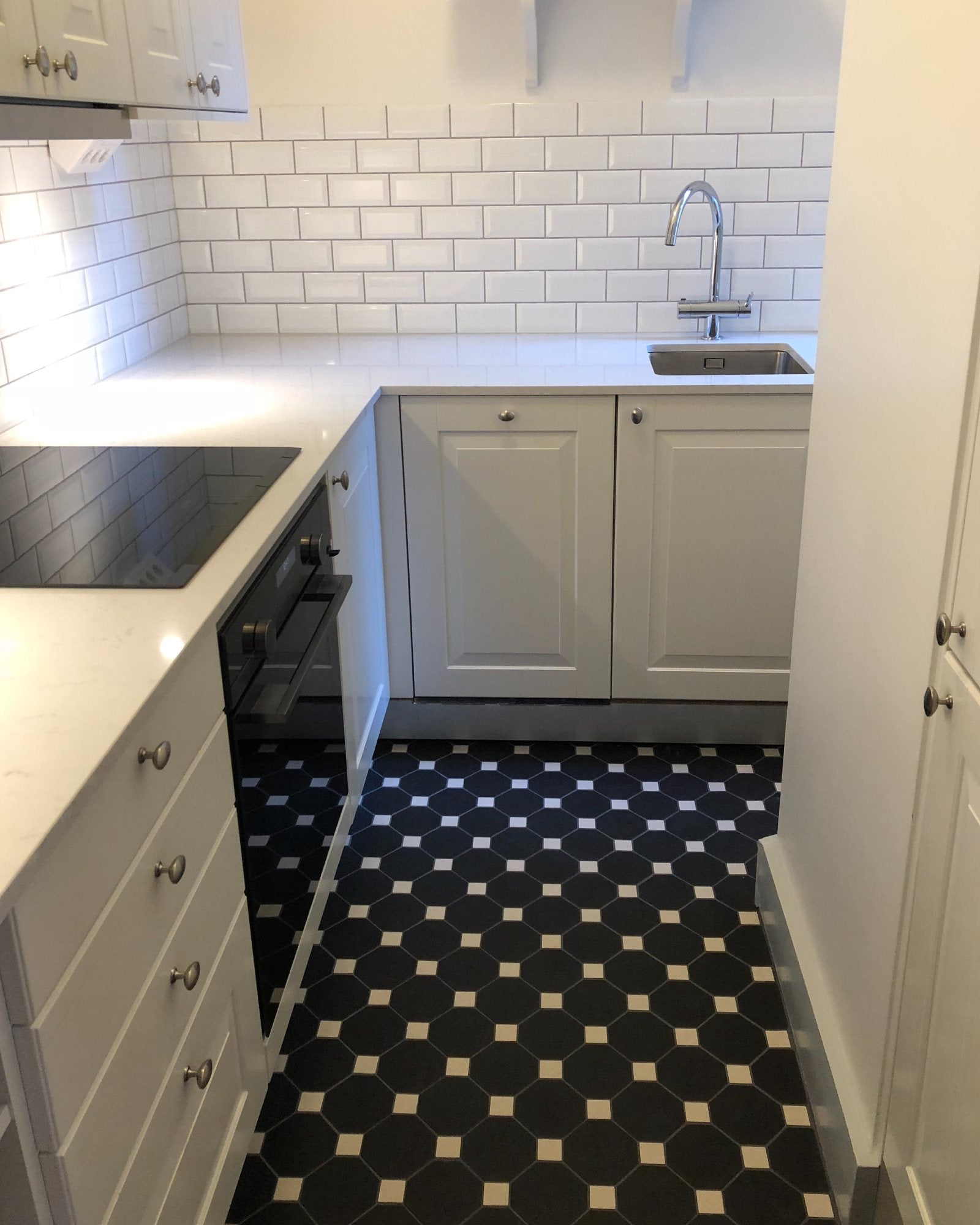
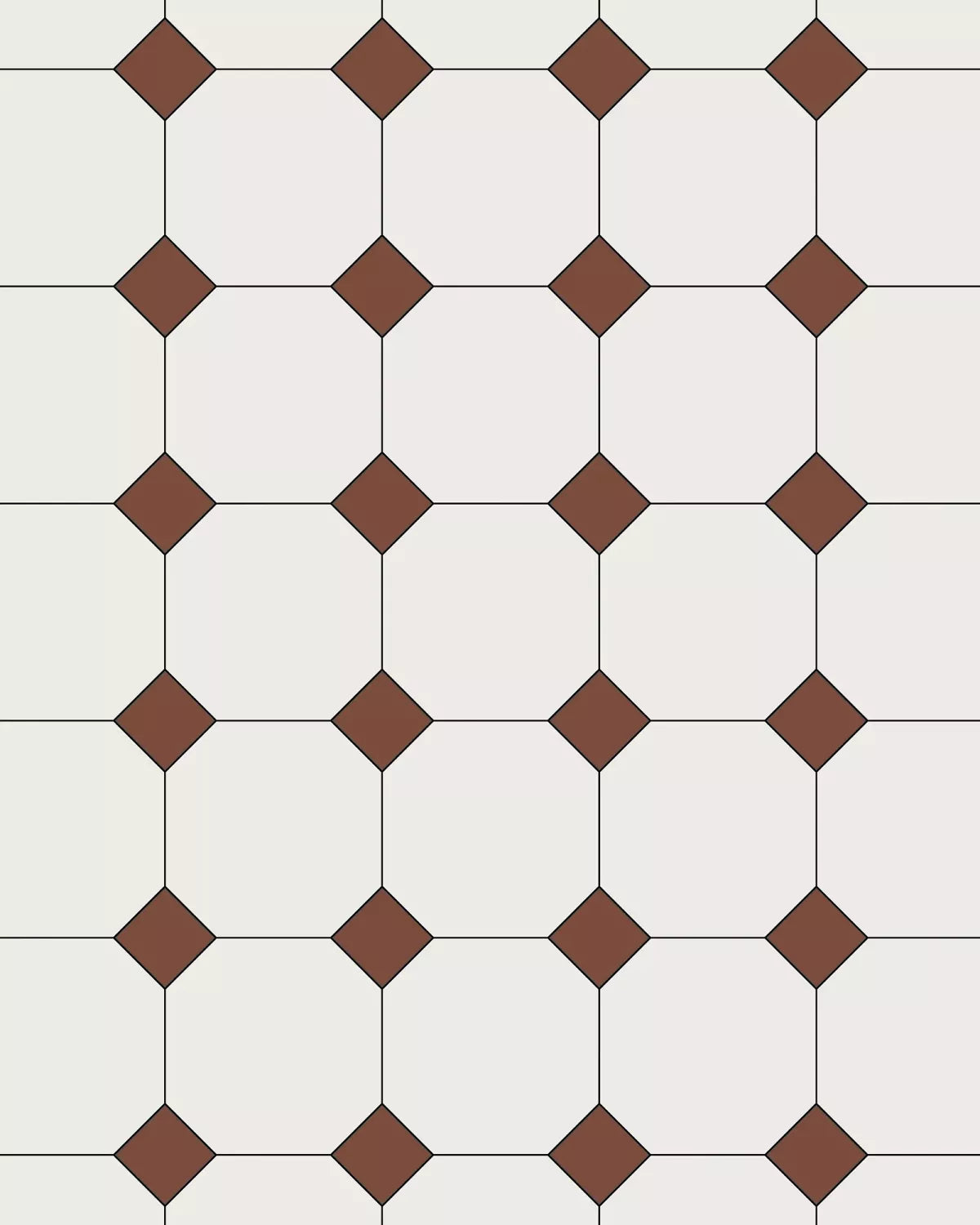
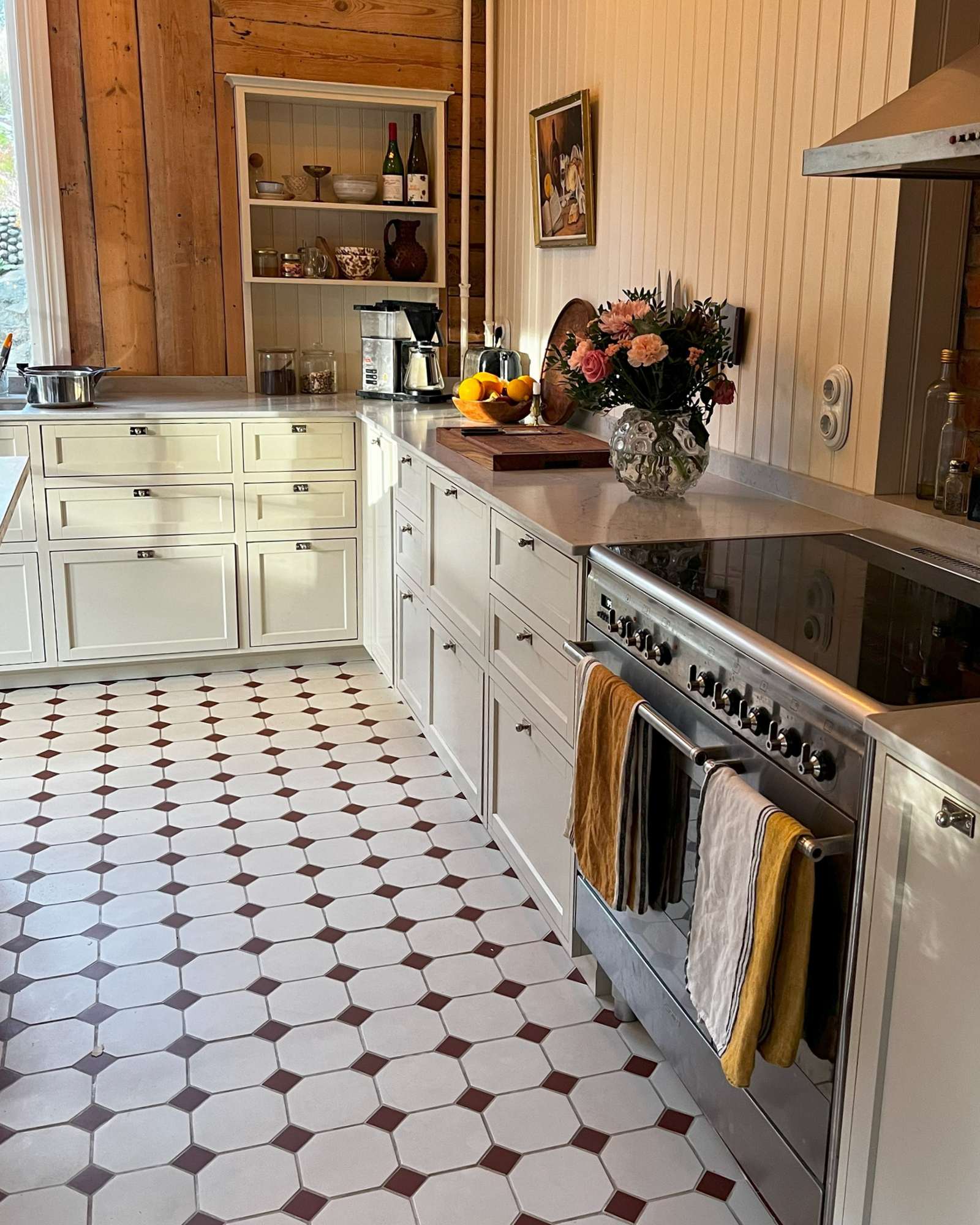
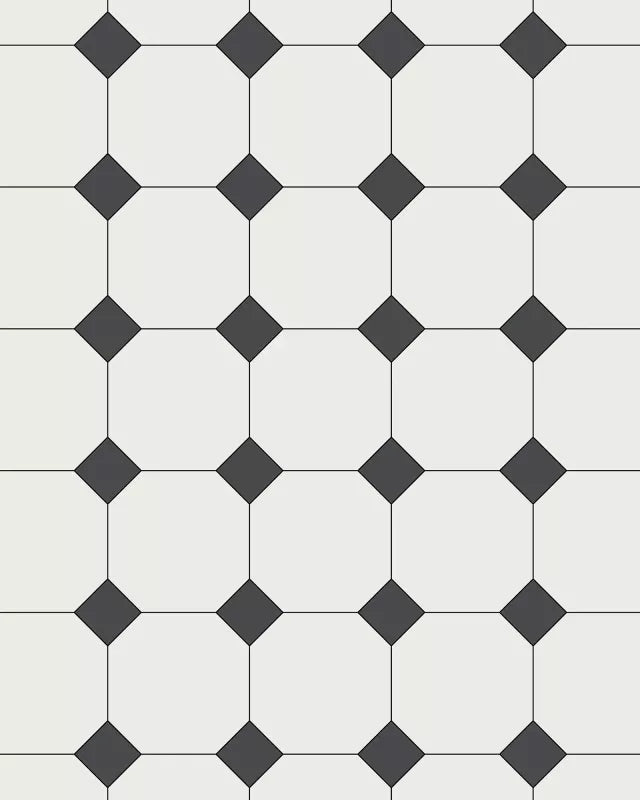
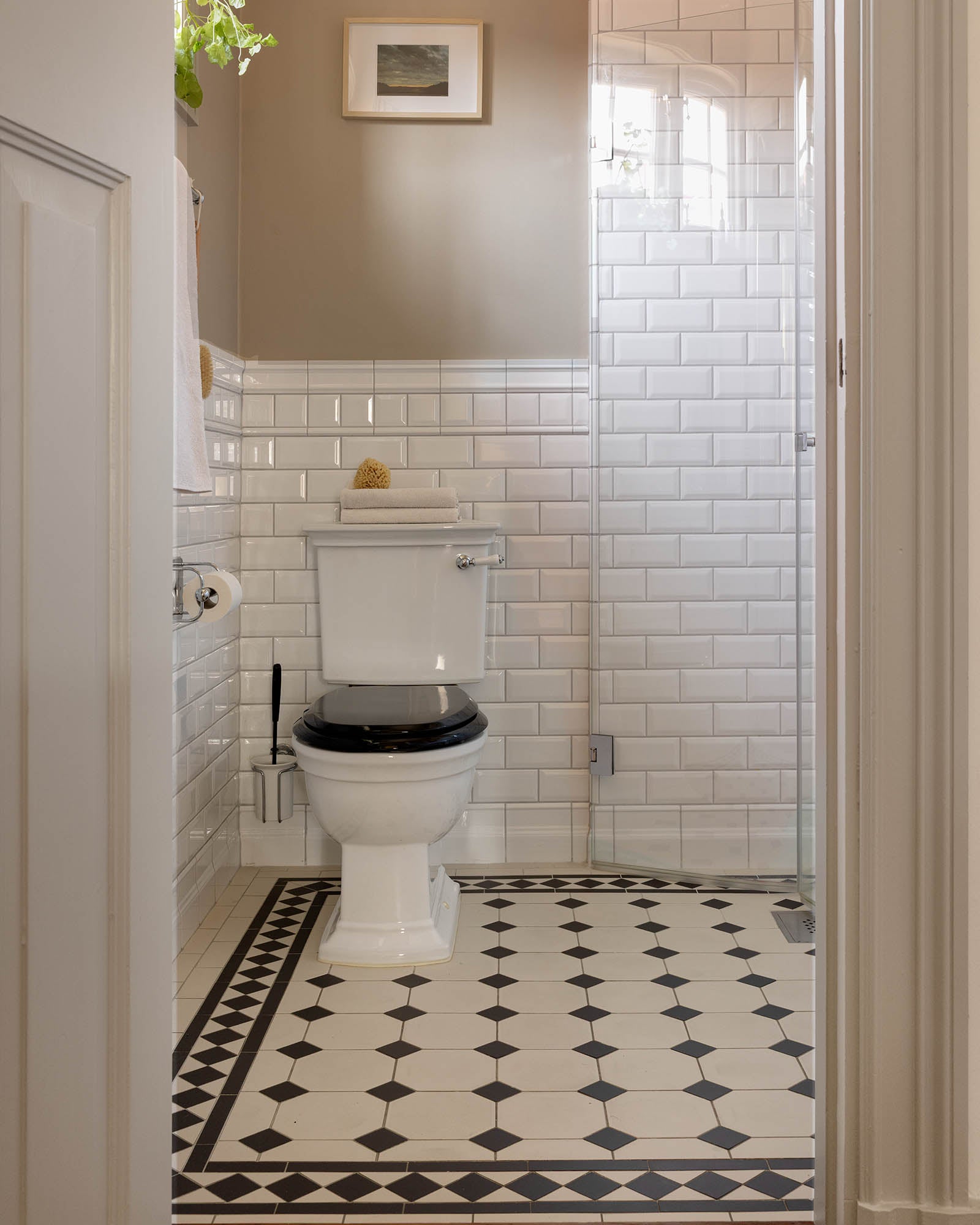


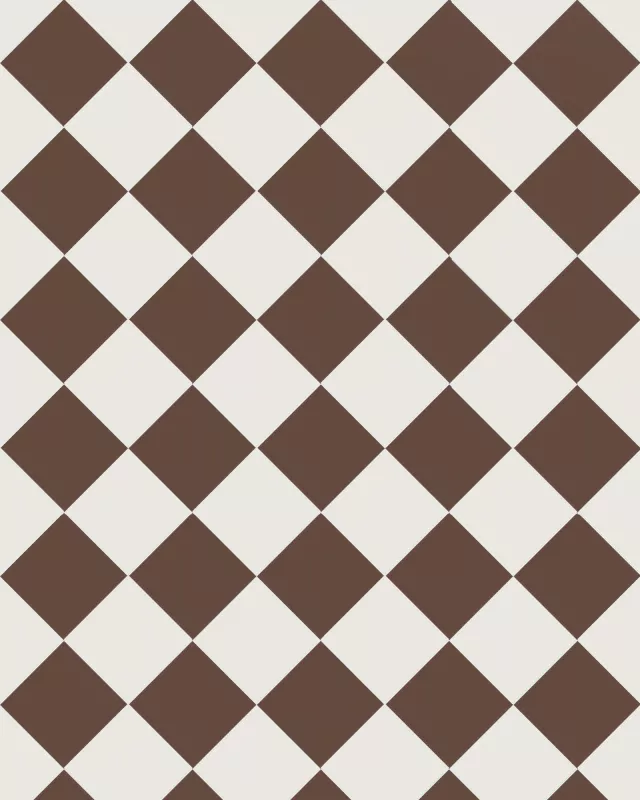
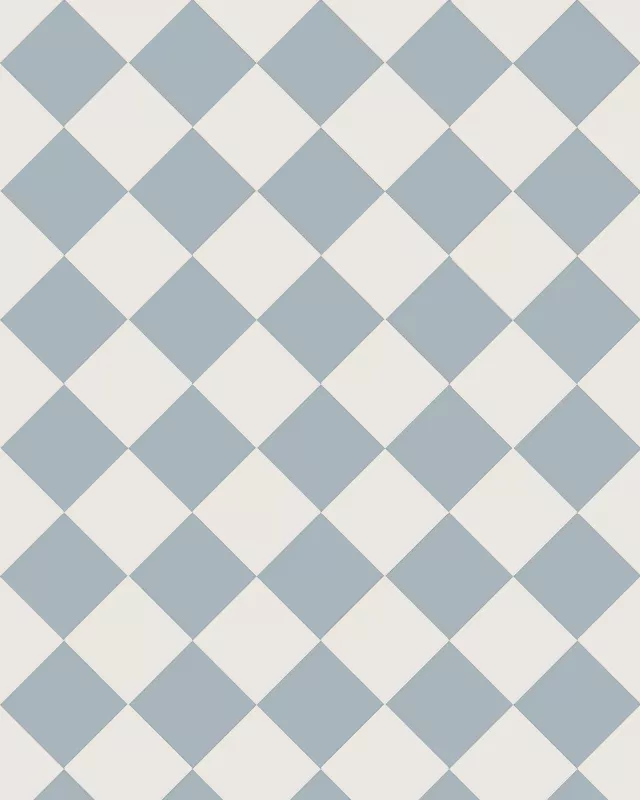

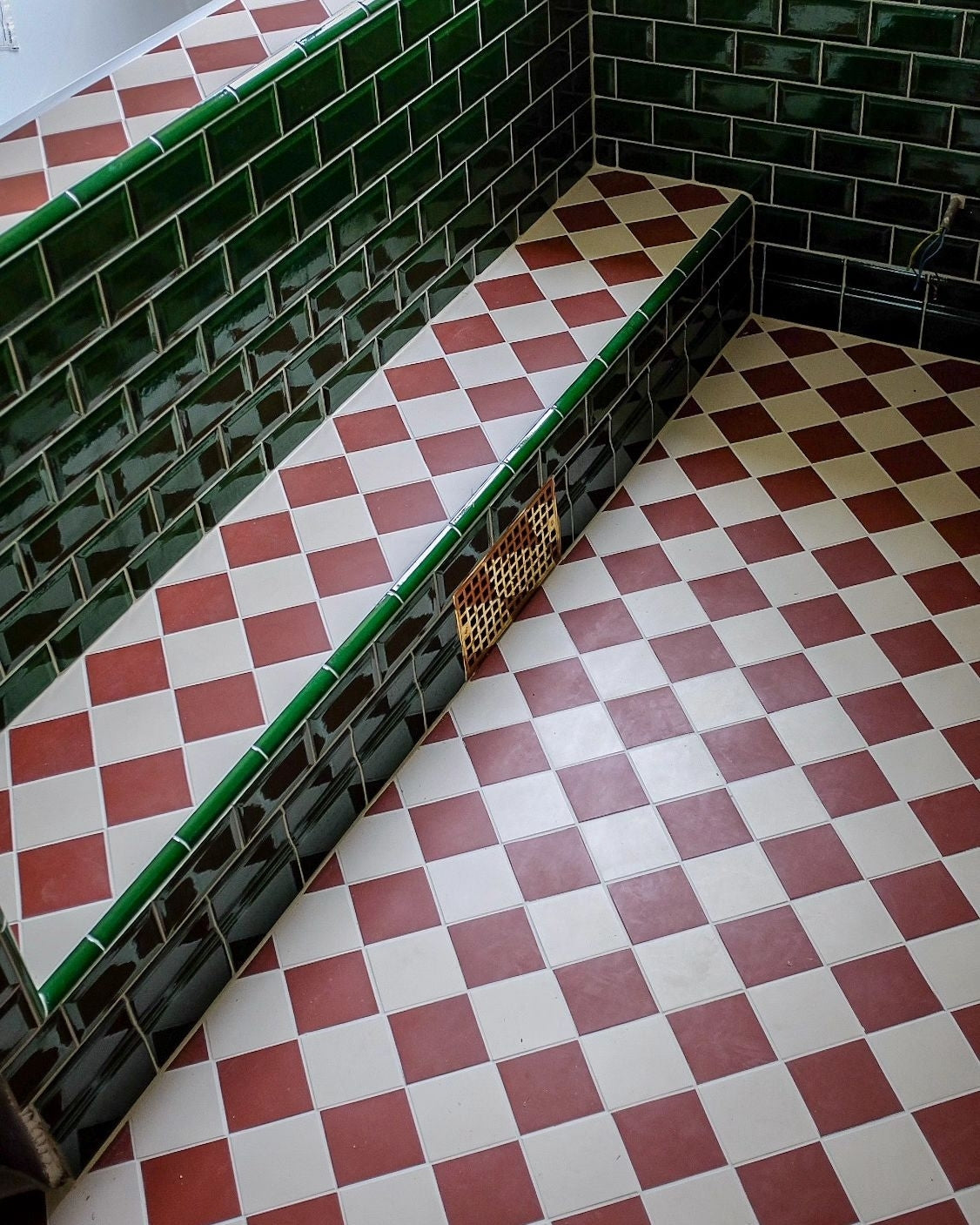
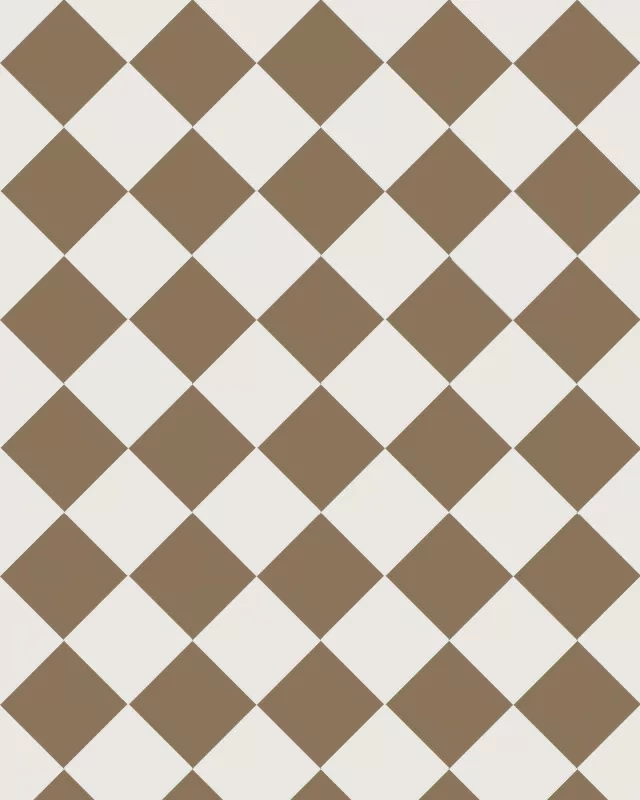
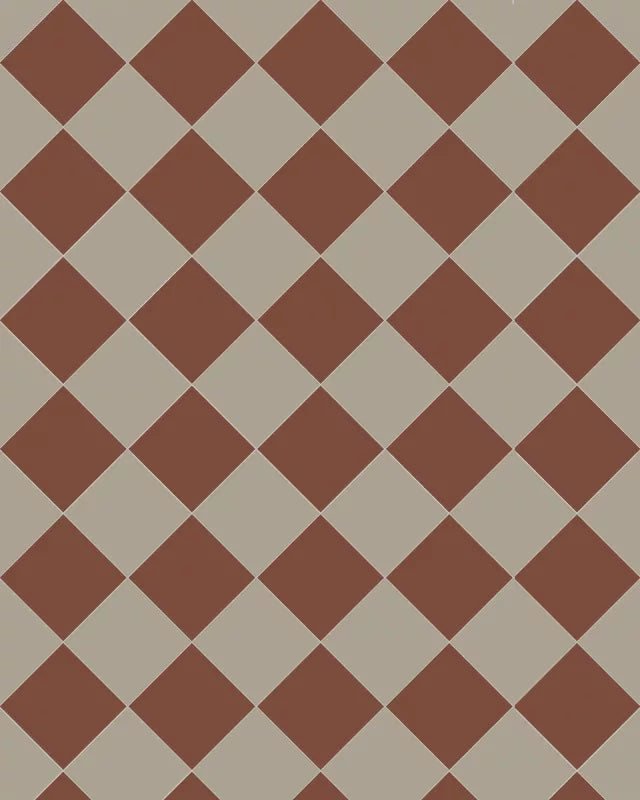

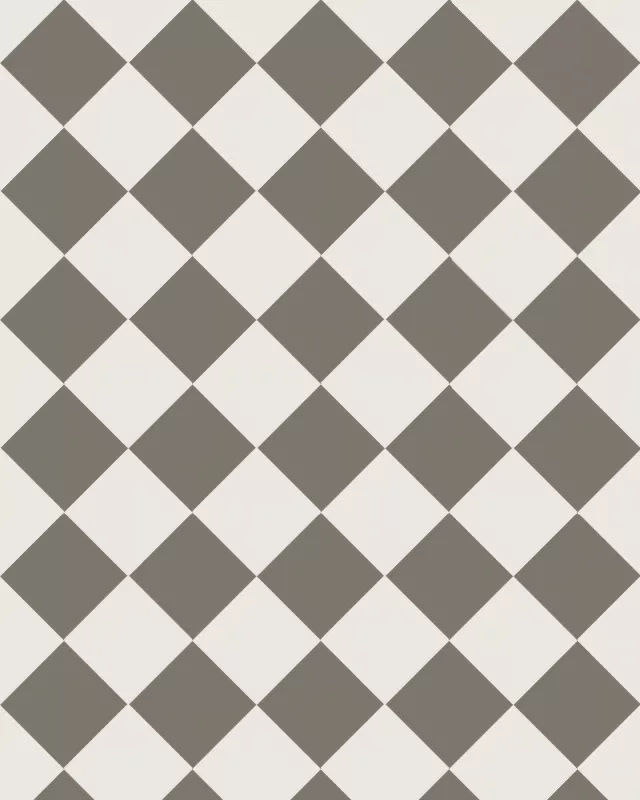
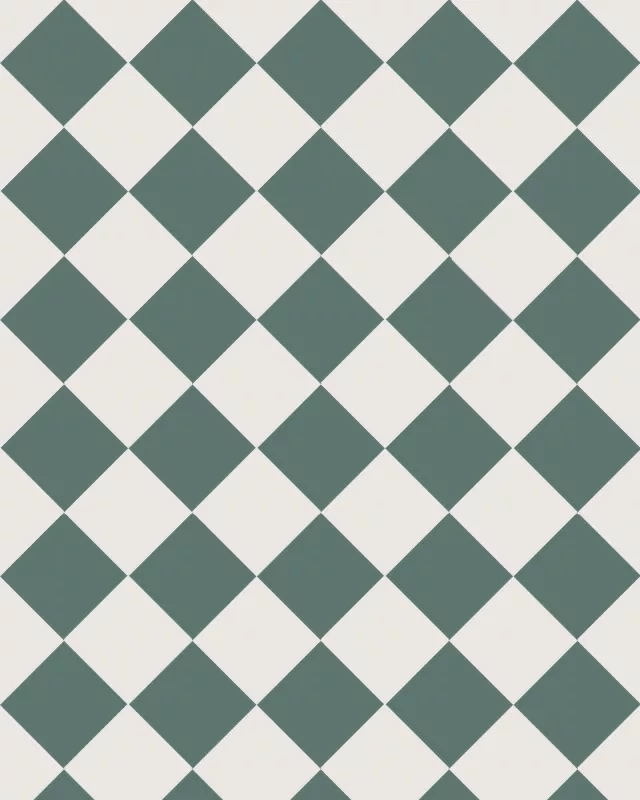


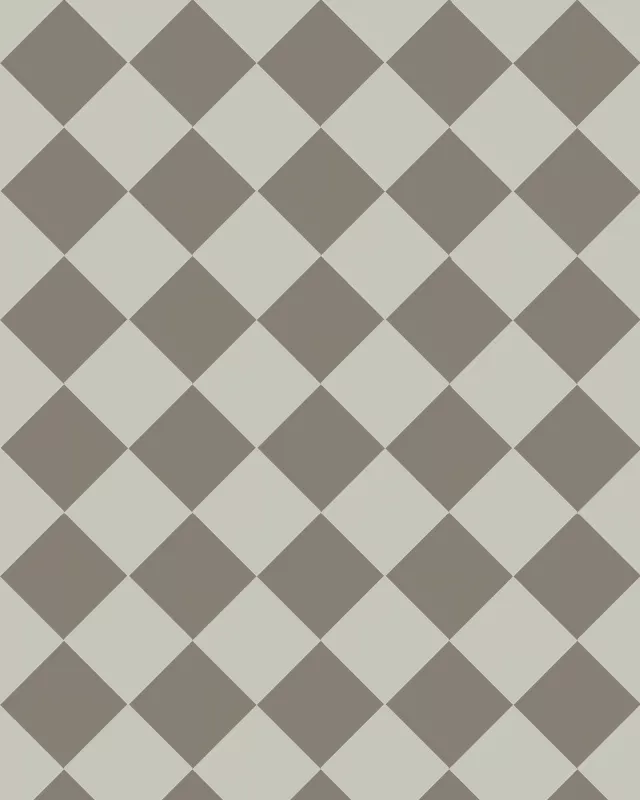

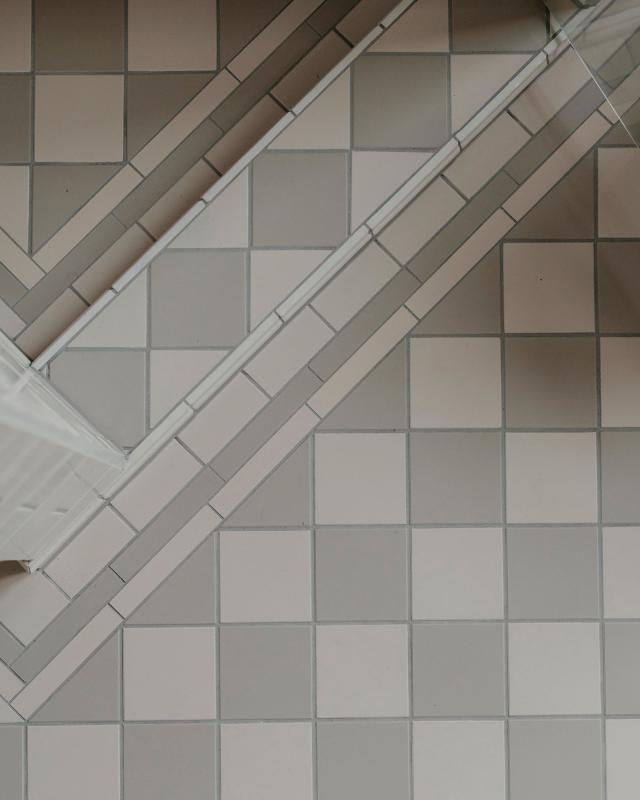
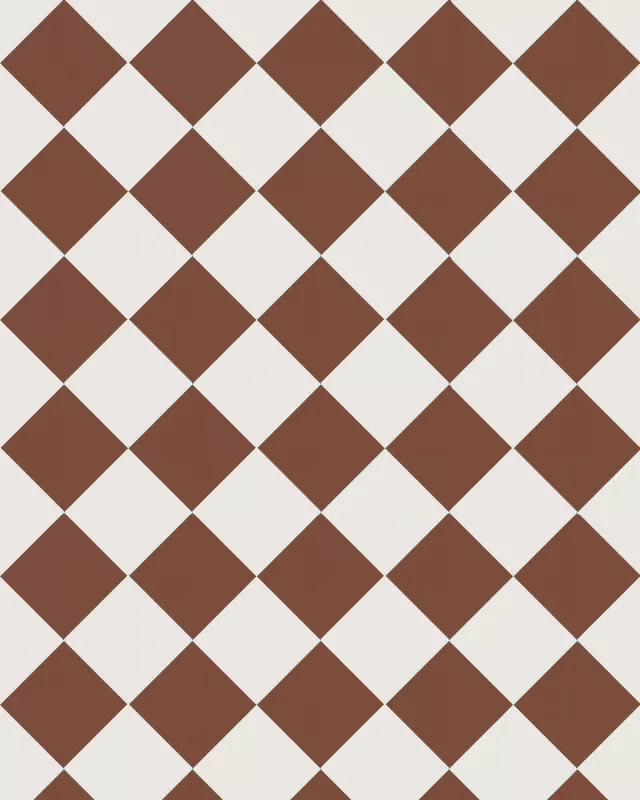
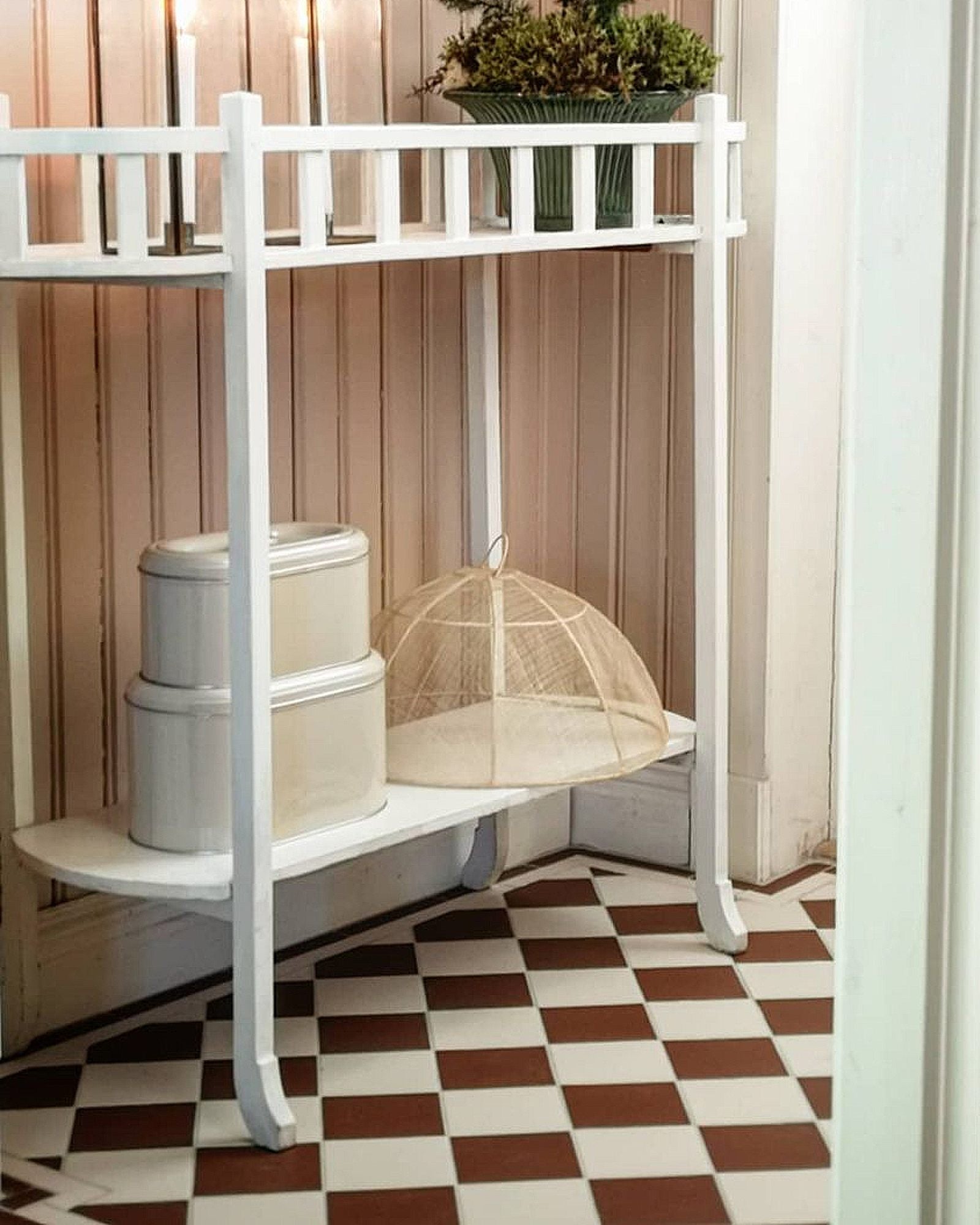
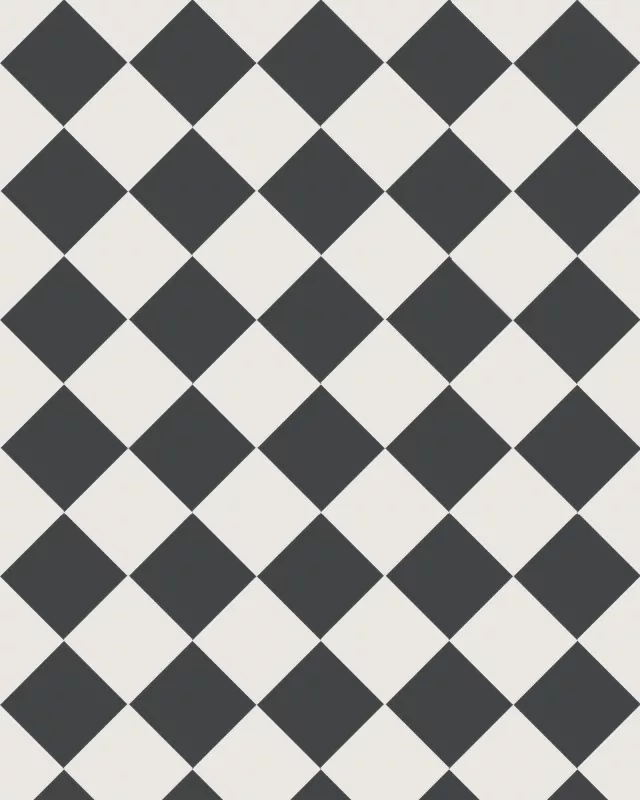
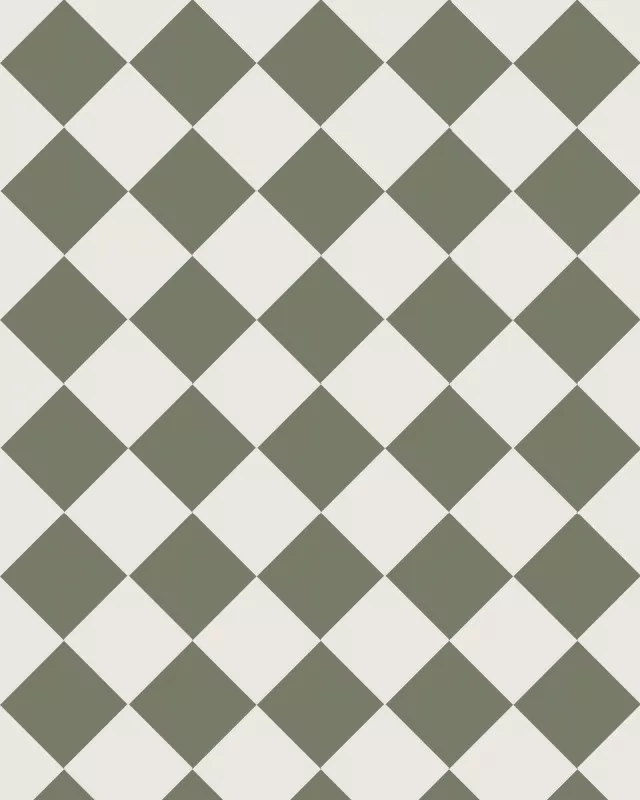
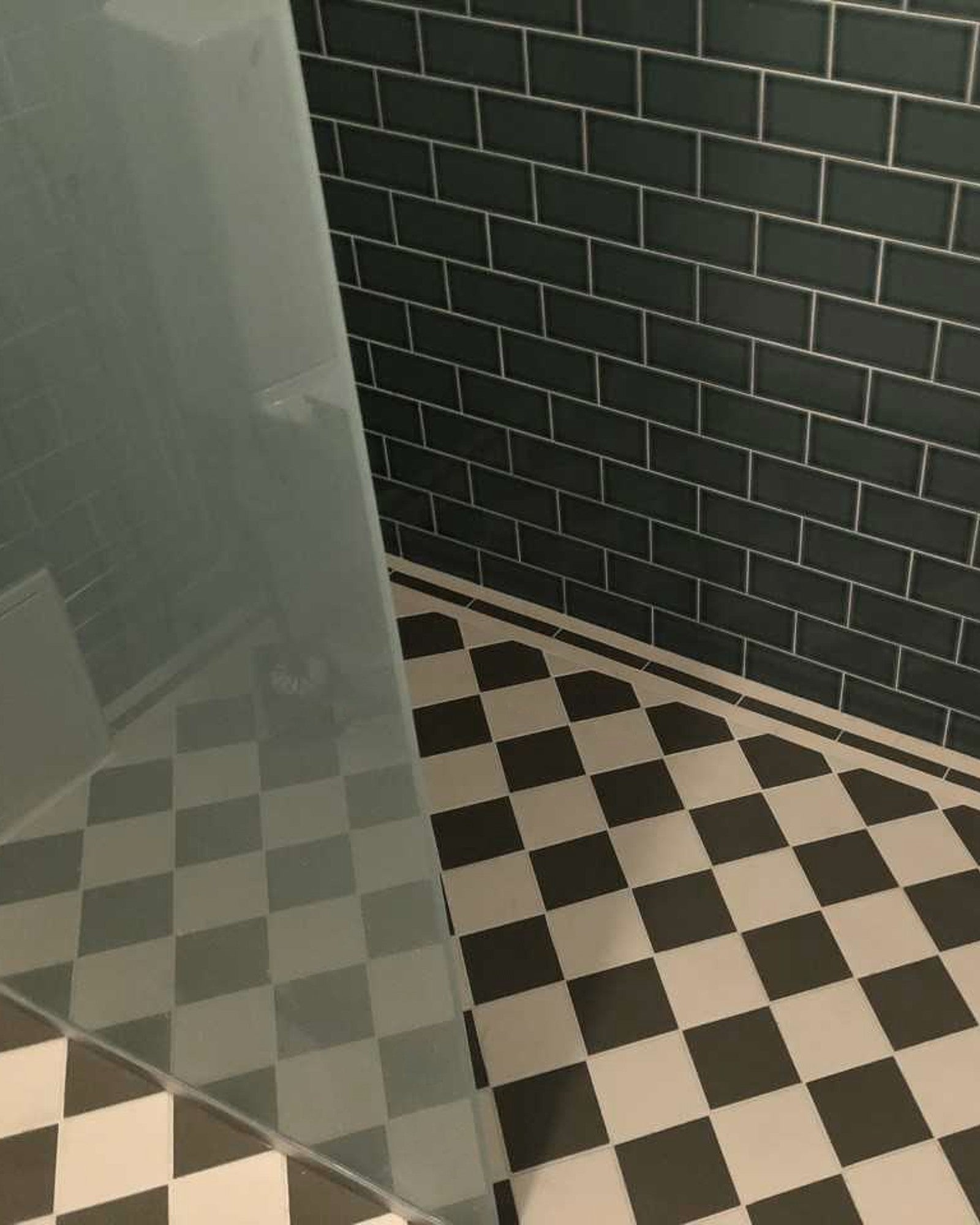
Victorian Floor Tile
Do you love the English style of ceramic wall tile and floor tile? Here you will find Victorian floor tile from the quality manufacturer Winckelmans, which has supplied the European market with Victorian Floor Tiles since 1894. The quality is exceptionally high, and this type of tile is often referred to as porcelain stoneware, meaning tiles that can be installed both indoors and outdoors as they are frost resistant.
Handling of Floor Tile
Victorian floor tile is of very high quality and normally does not require any sealing treatment. Cleaning is done only with cold water. We also recommend
light gray grout for these tiles. They can withstand pressure between 3.2 - 5.5 tons per square centimeter and are heat resistant. Here you will find tips and more information about porcelain floor tile from Winckelmans.
Historic elegance in home interiors
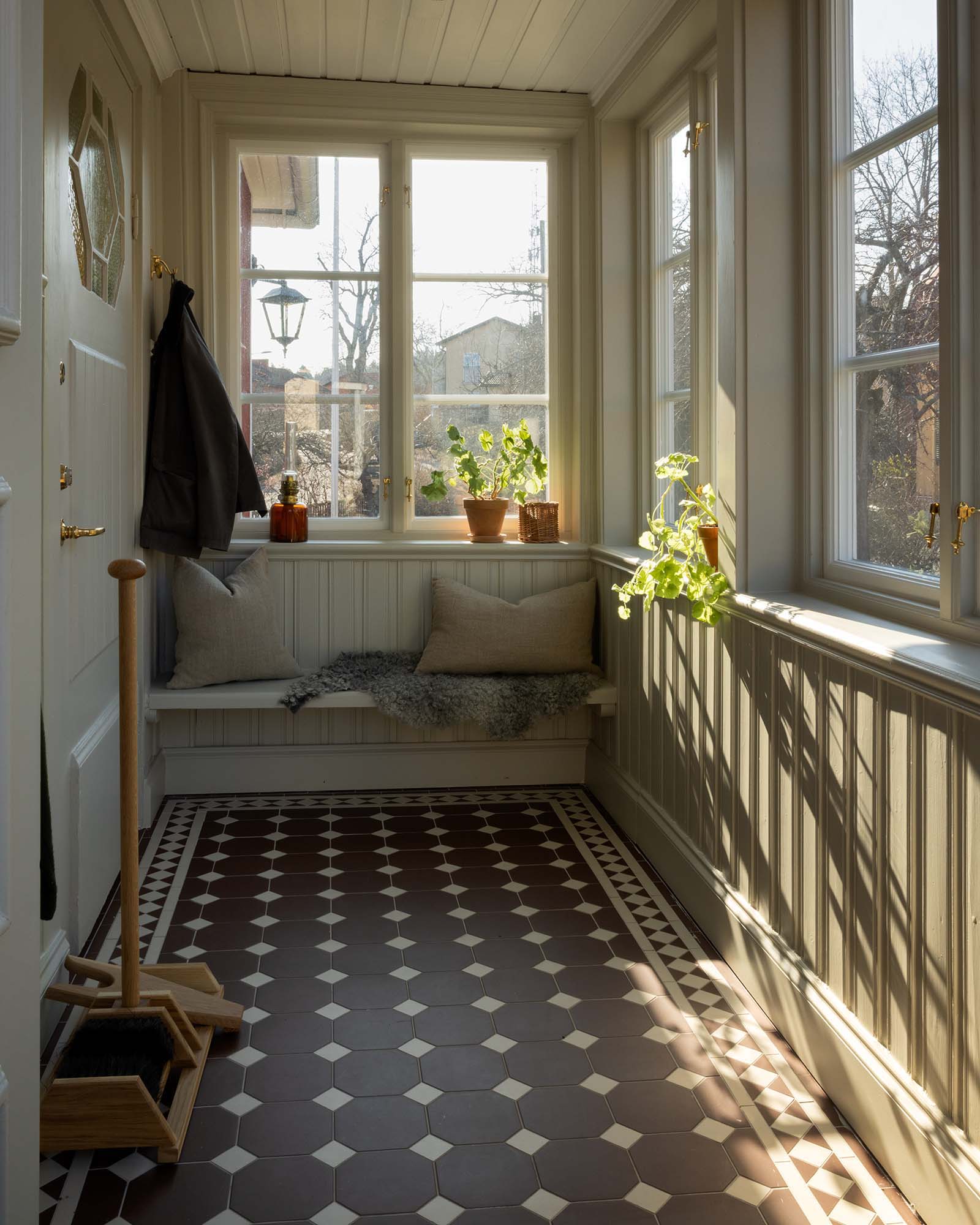
Victorian ceramic wall tile and floor tile refer to the ceramic floor tiles widely used during the Victorian era (1837–1901). They are characterized by bold and complex patterns, often featuring geometric or floral motifs and rich color palettes. Although they were primarily used in public buildings, churches, and manor houses, Victorian ceramic wall tile and floor tile are now highly sought after in interior design to create a distinctive and timeless appearance. Their durability and natural beauty make them an excellent choice for both indoor and outdoor use.
FAQ
Winckelmans offers 31 different colors and 33 different shapes of their tiles, providing great possibilities for creating unique patterns and designs.
Yes, Winckelmans tiles can definitely be used outdoors! Thanks to their high density, they absorb very little water, making them frost-resistant.
Yes, the tiles are suitable for humid areas without changing color or appearance, making them ideal for bathrooms and other wet spaces.
The high density of the tiles means they absorb very little water, so sealing is generally not necessary.
However, applying a stain-resistant treatment is recommended in more exposed areas—such as near showers or kitchen countertops—to prevent grease or hygiene products from settling into the pores of the tiles. This should be done one to two weeks after installation. The treatment must be applied to clean and dry tiles. The appearance of the tiles will not be affected by the sealing.
Regular cleaning helps preserve the original appearance of the tiles. The choice of cleaning agent and the quality of water used also play a role—soft water is preferable. In general, linseed oil-based products should be avoided. Due to the high density of the tiles, greasy particles from such products remain on the surface and actually make it easier for dirt to stick.
Recommended products:
General cleaner – Fila Cleaner Pro 1L or another standard alkaline cleaning agent.
Avoid:
Linseed oil-based products.
Hydrofluoric acid (HF) or any of its byproducts, as they can damage the tiles.
If you use our tile sealer from Fila on our tiles, there will be no visible difference. For example, if you choose to seal only the tiled floor in the shower area but not in the rest of the bathroom, there will be no noticeable variation.
Tile adhesive, or "fix," is the bonding agent used to attach tiles to a surface—like a concrete floor or a leveled surface. It’s applied with a notched trowel to ensure an even and strong grip between the tiles and the substrate.
The amount of adhesive needed depends on the size of the tiles, the desired joint width, and the angle of the trowel used when spreading the adhesive (either 90° or 45°). As a general guideline, for standard-sized tiles (7.5x15 cm, 10x20 cm, 15x15 cm, 20x20 cm), you'll need about 2.5 kg per square meter.
For more technical data, instructions, and specific details, refer to the product specification.
Grout is used to fill the gaps between the tiles after the adhesive has dried. It helps stabilize the tiles, protects against dirt and moisture, and gives the floor a finished, polished look. Grout comes in various colors to match or contrast with your tiles.
The amount of grout needed depends on the tile size, the desired joint width, and the angle of the trowel used (90° or 45°). As a general rule, for standard-sized tiles (7.5x15 cm, 10x20 cm, 15x15 cm, 20x20 cm), you’ll need approximately 1 kg per square meter.
The matte tiles are full-body porcelain, meaning the color runs all the way through, making them exceptionally long-lasting. Thanks to their enduring shades, you can expect a lifespan of several centuries.

