During the decades around 1900, lighting in Swedish homes underwent major changes. Kerosene lamps had become widespread during the second half of the 19th century and remained the cheapest and most common form of household lighting until the 1910s.
When electricity arrived, the new technology was first seen in factories and on city streets. Gradually, electricity began to be installed in more affluent homes, but in many households electric lighting and kerosene lamps continued to be used side by side for a long time. By the early 1920s, around 80 percent of households in Stockholm had electricity, but it took longer for smaller towns and rural areas to gain access to the same luxury!
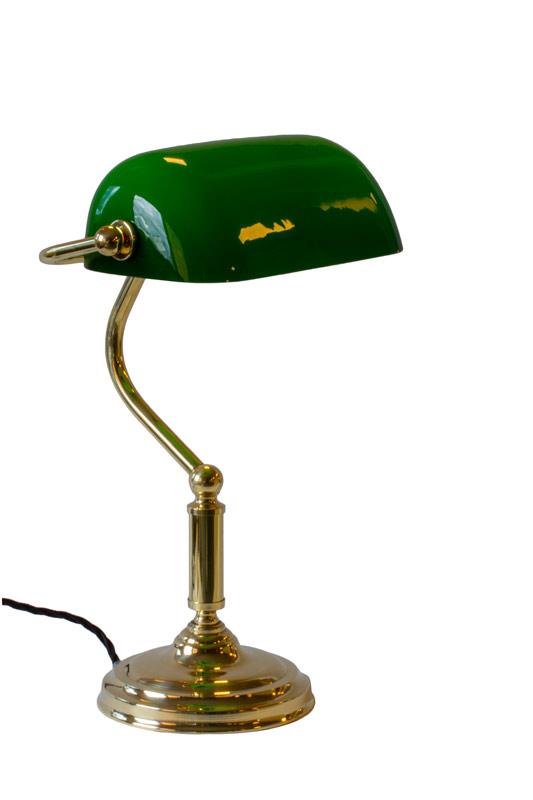
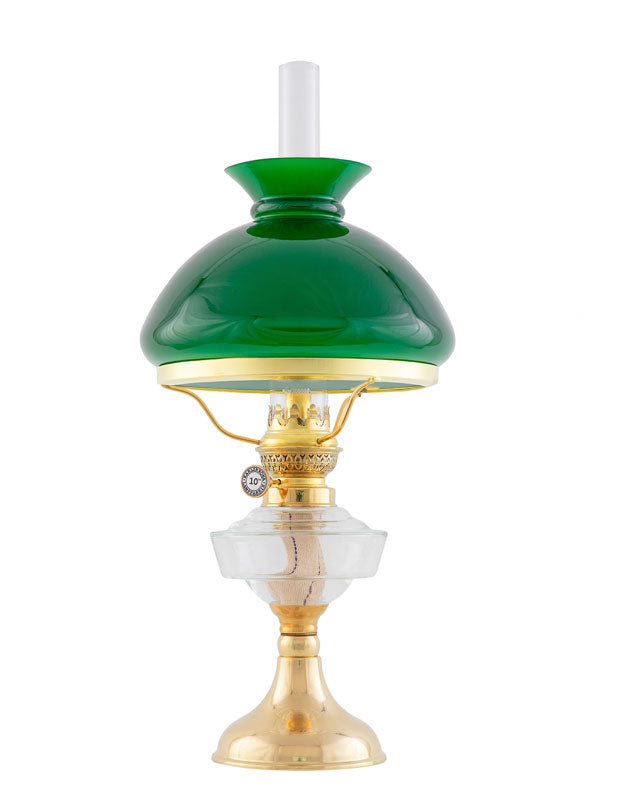
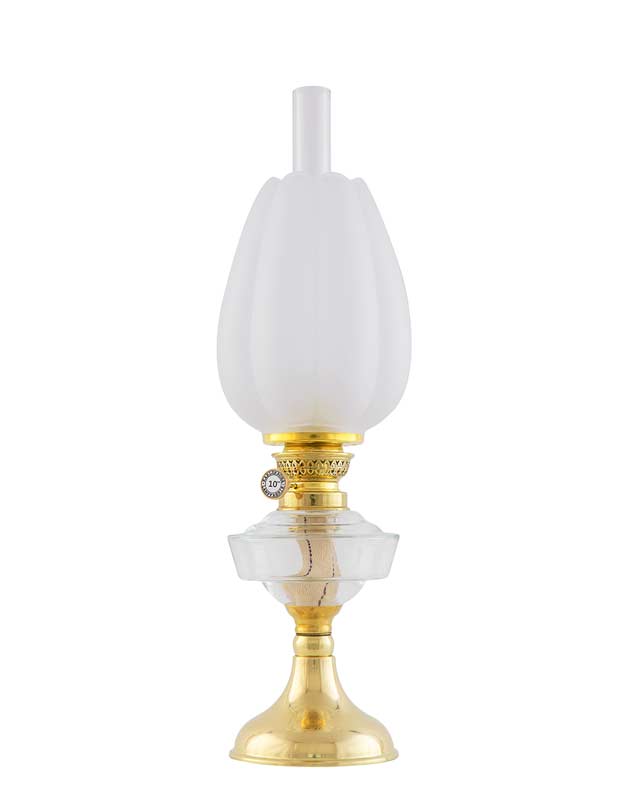
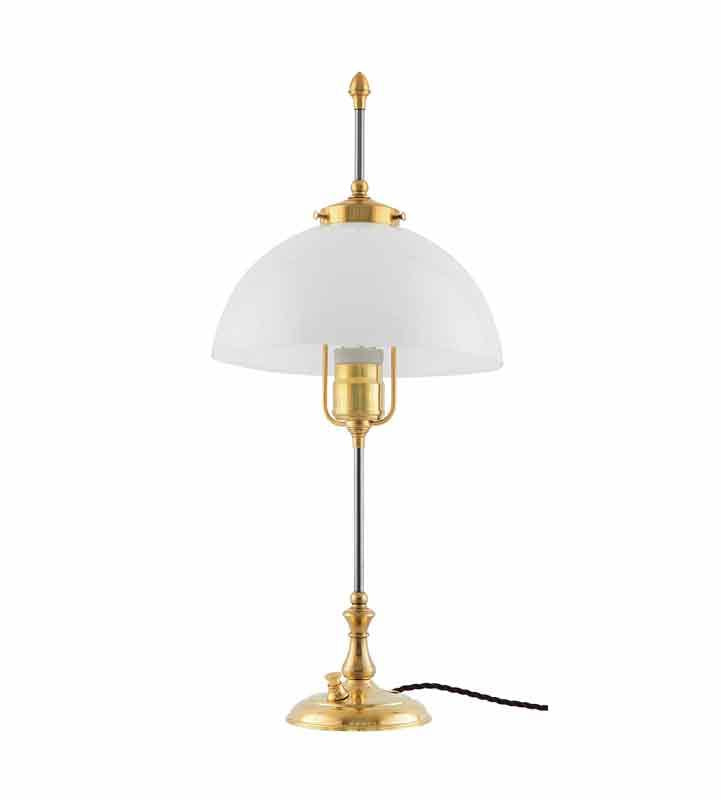
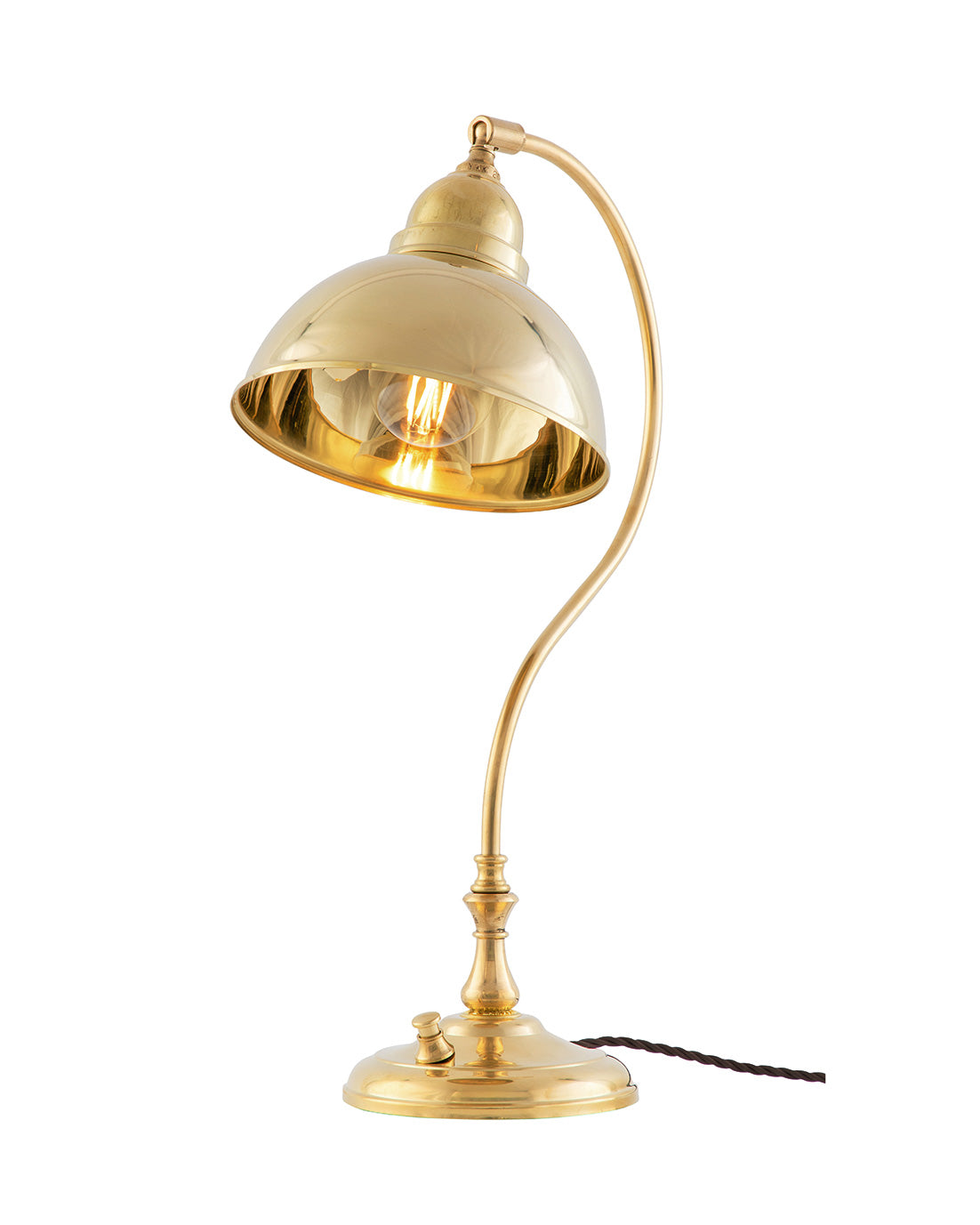
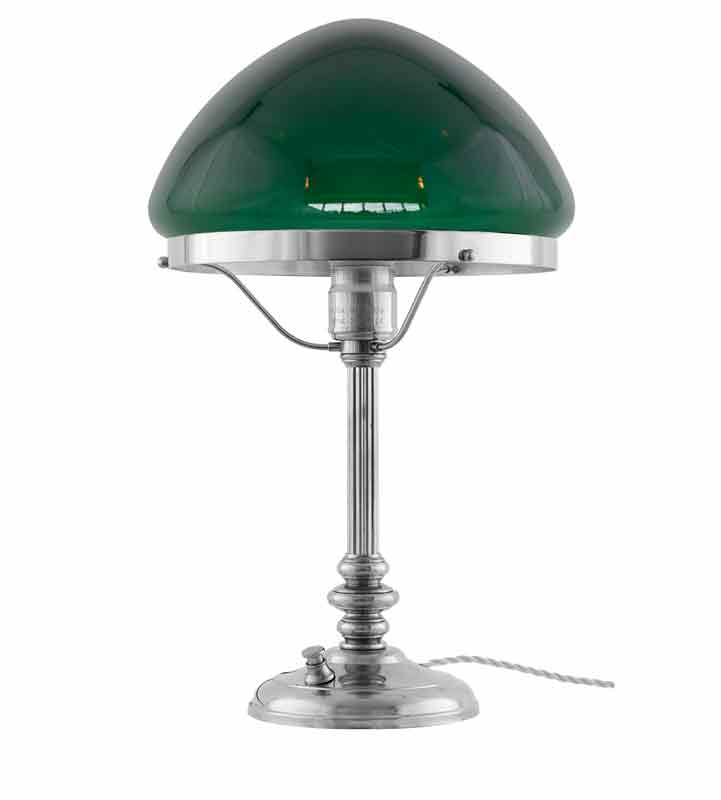
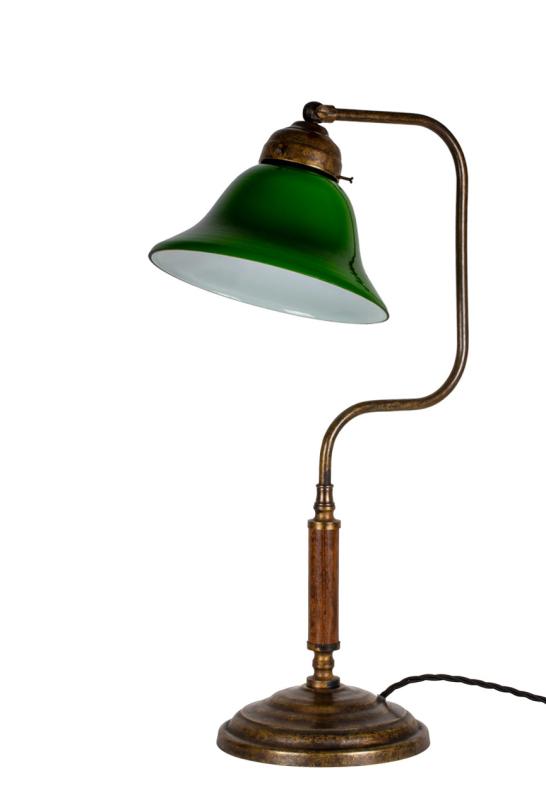
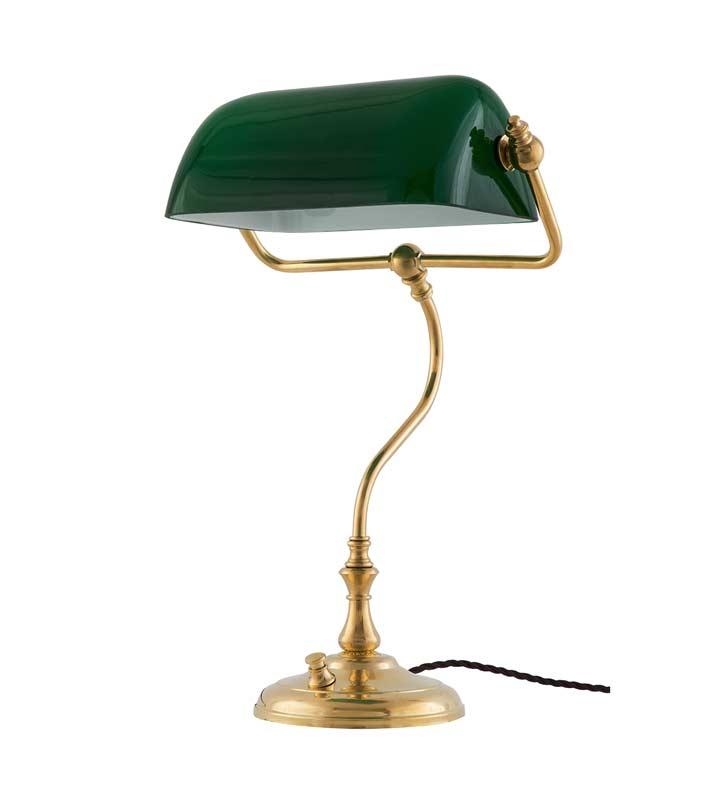
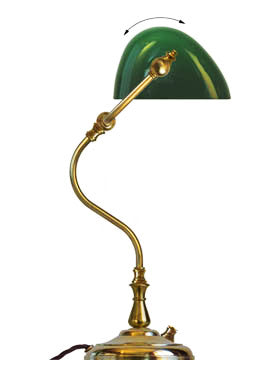
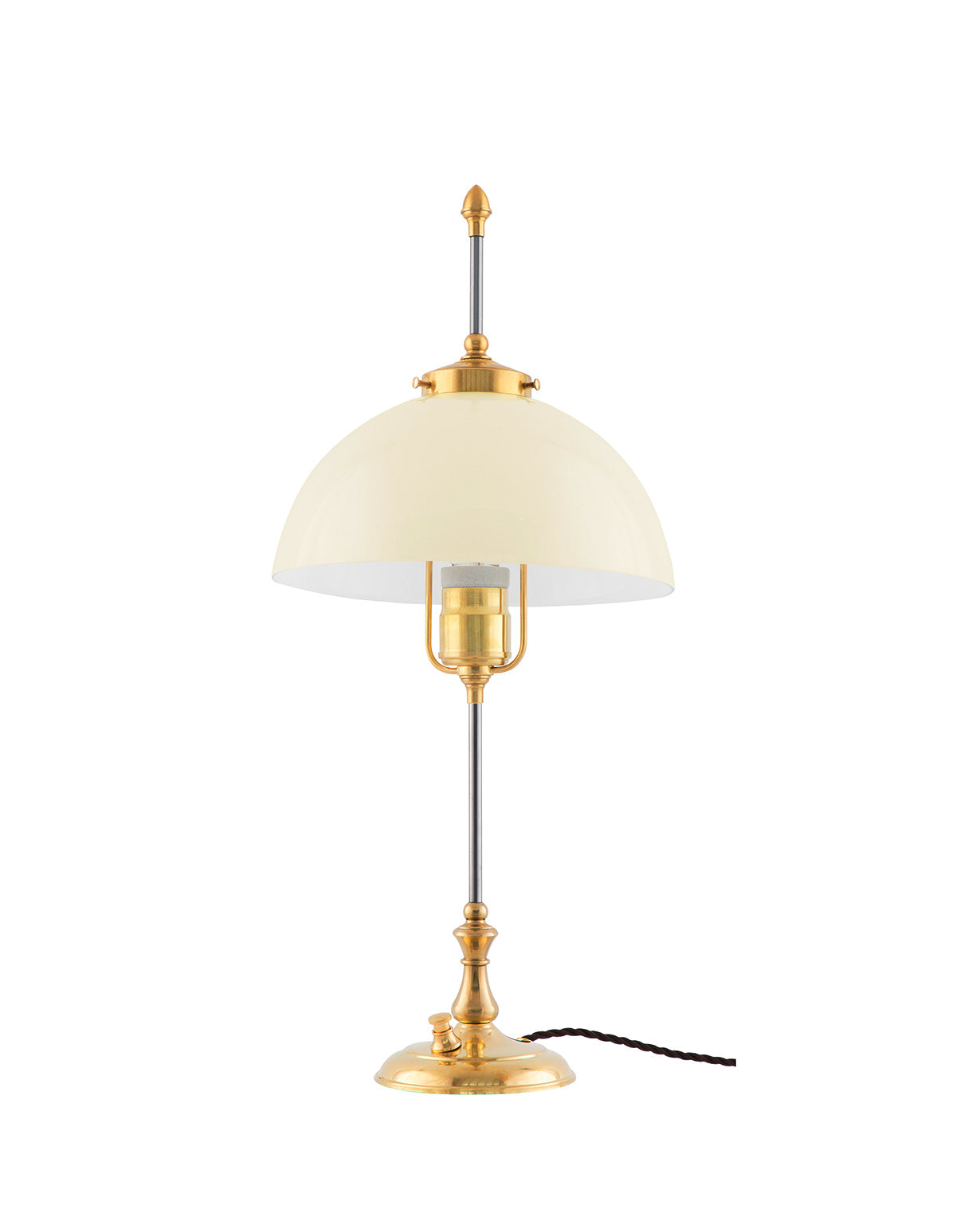
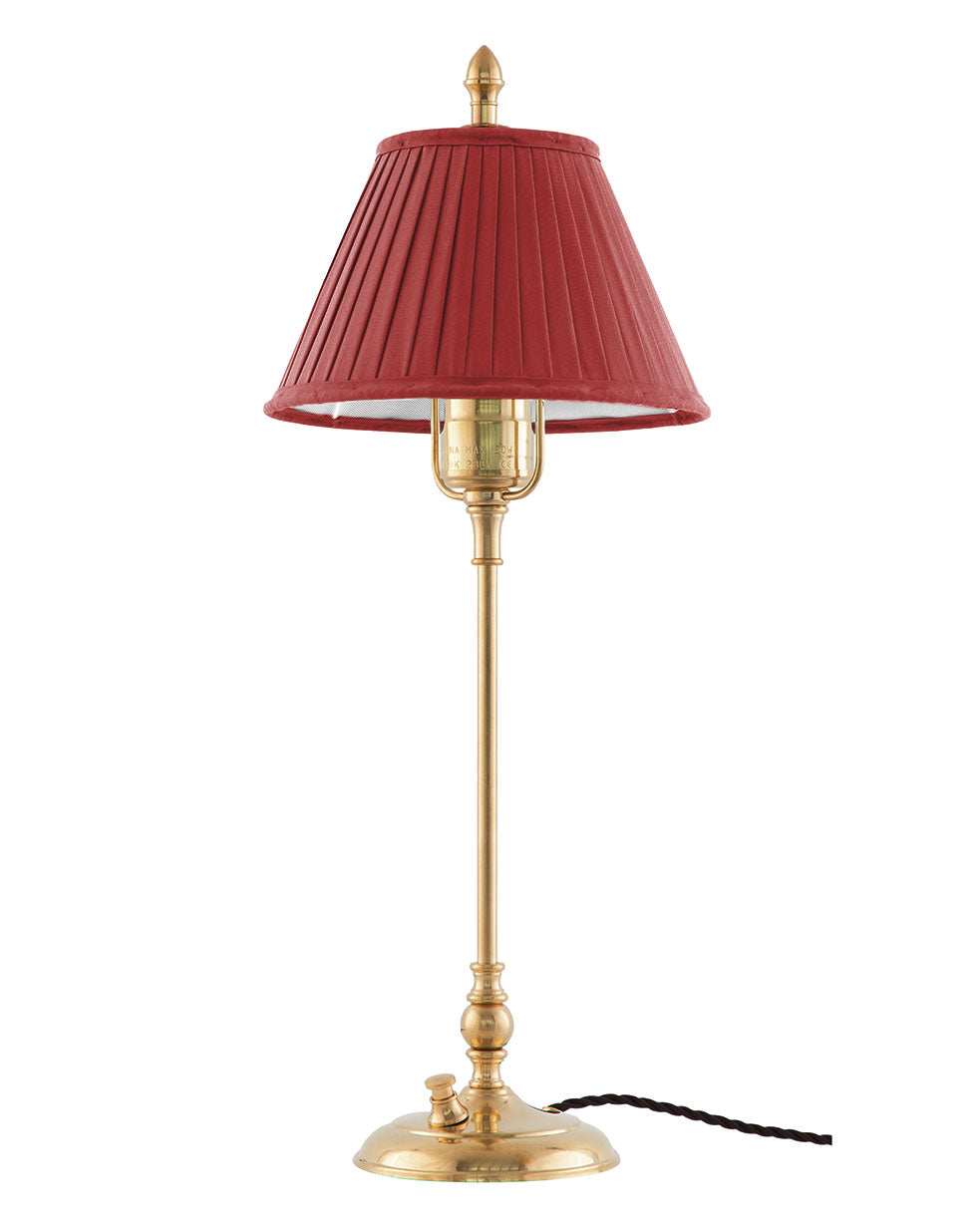
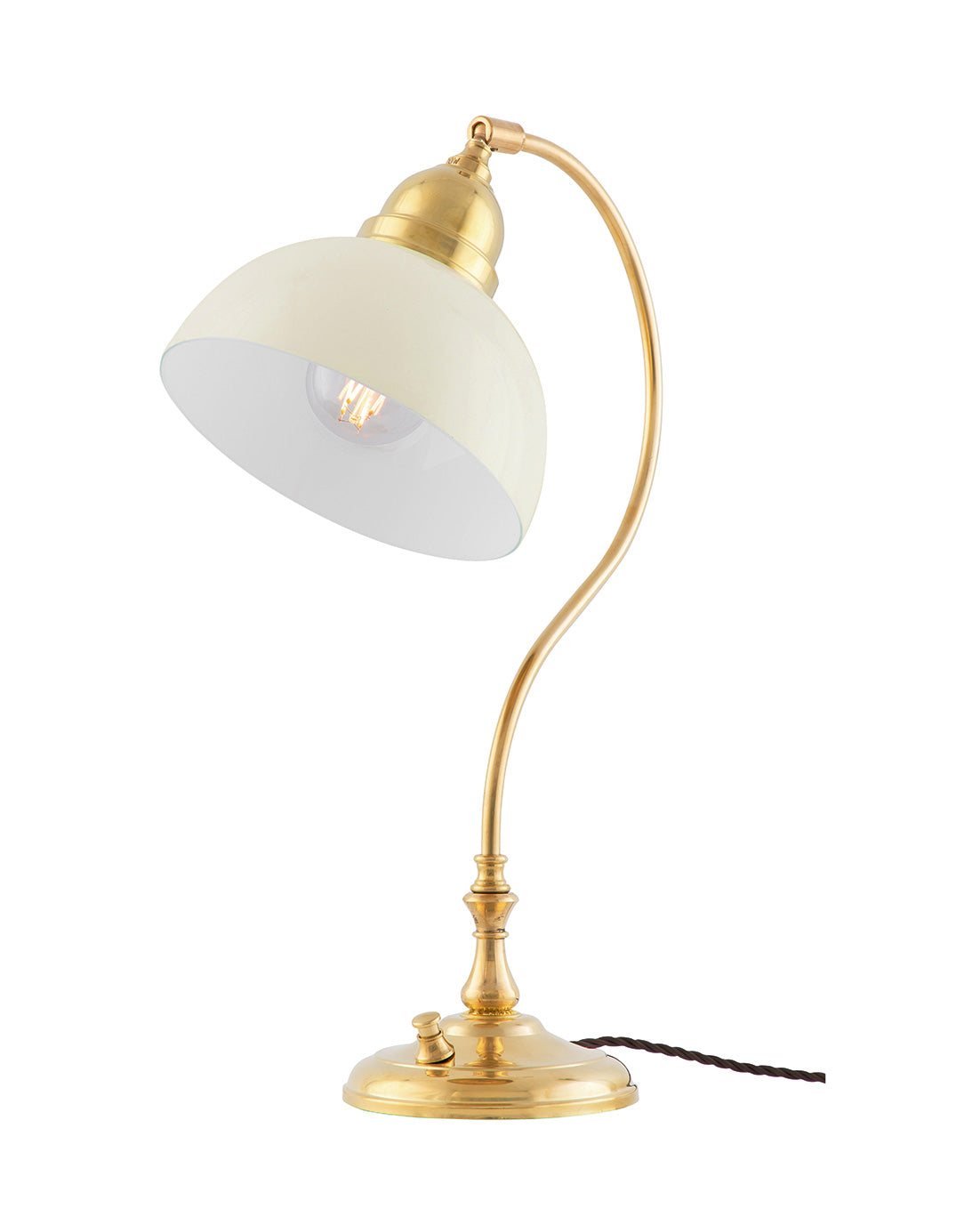
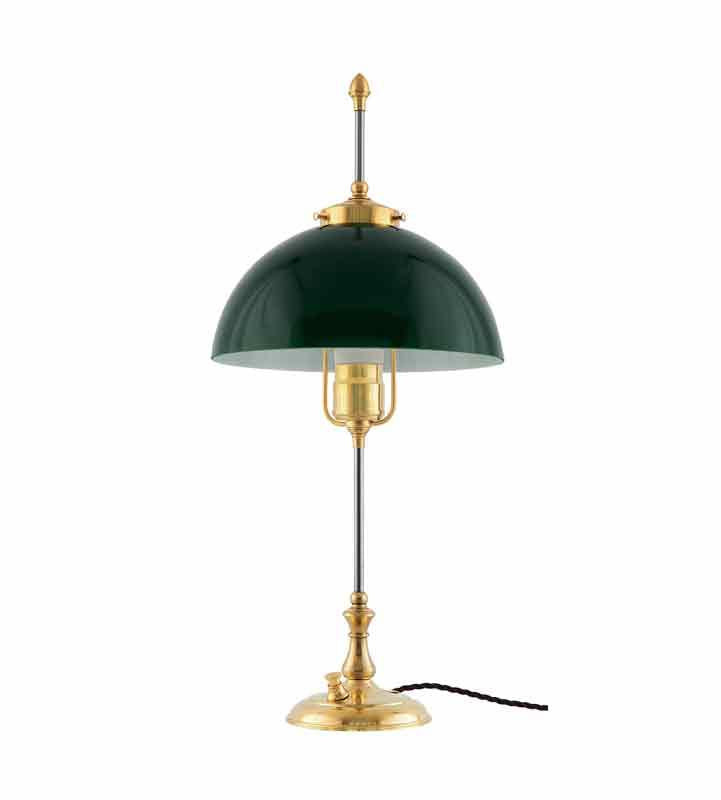
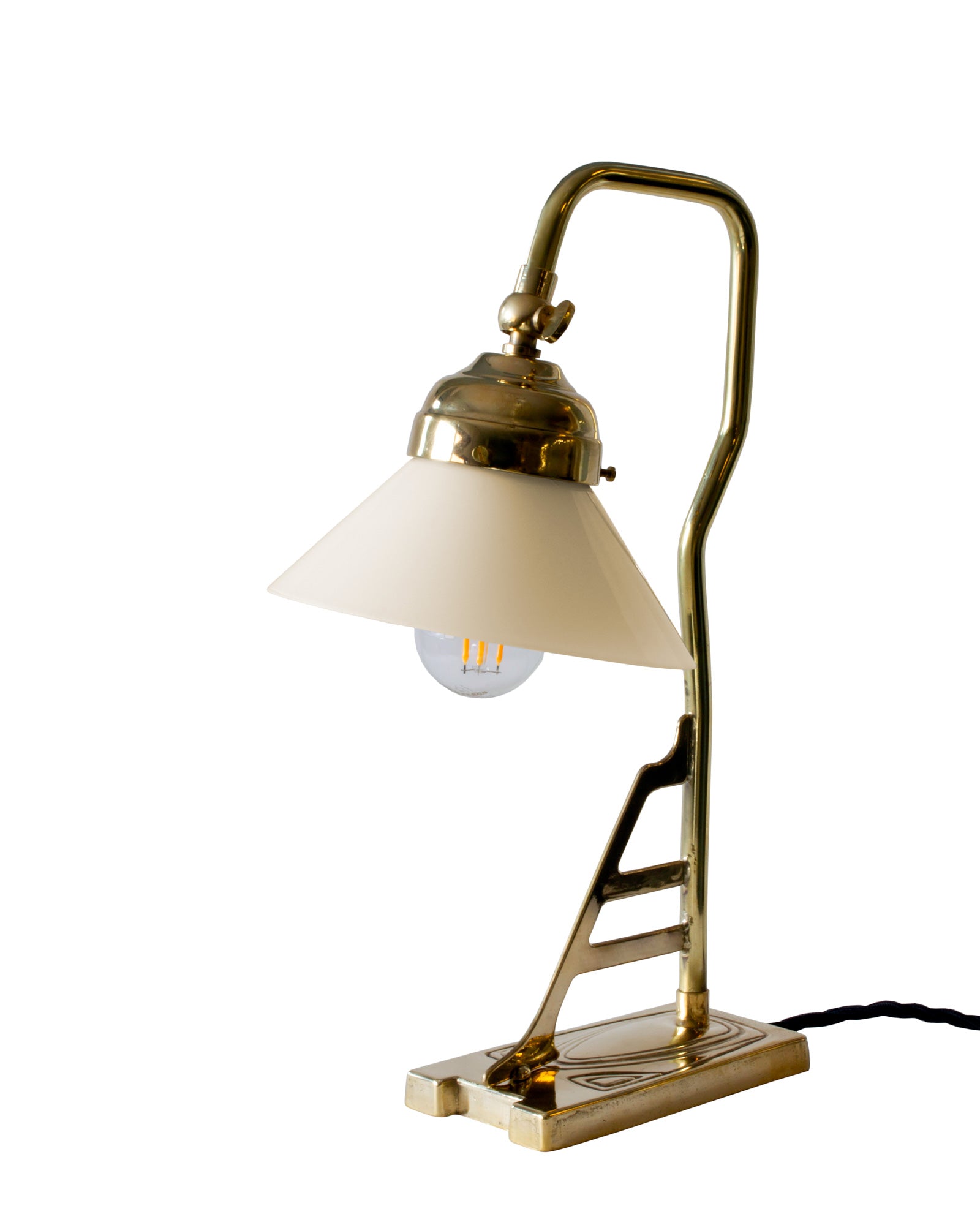
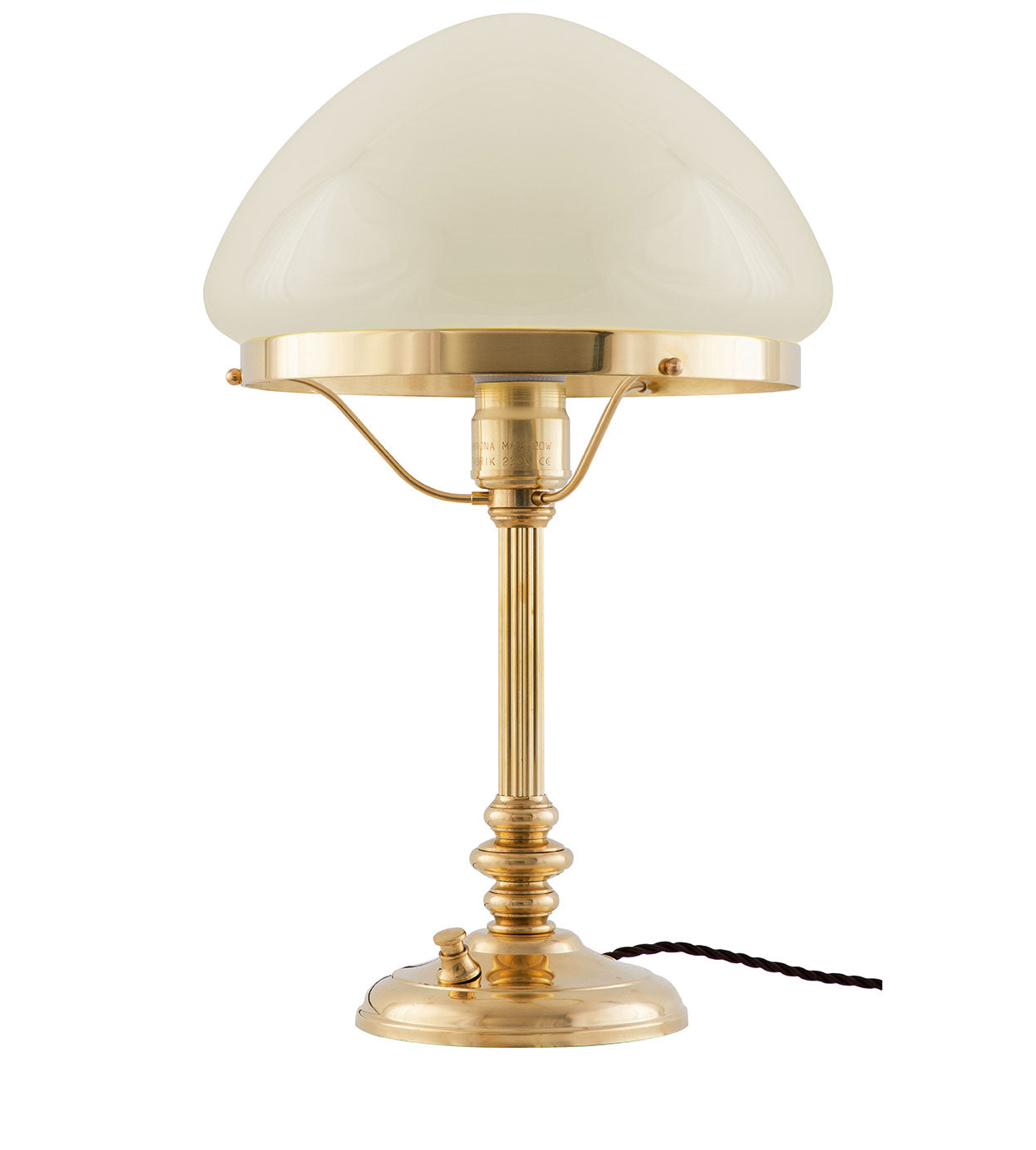
When electricity was first introduced, it was used primarily for practical purposes, but over time, ambient lighting in the form of floor and table lamps also became popular. Older kerosene lamps were converted for electric wiring, and their designs lived on in electric table lamps. Untreated brass and mouth-blown glass shades were common materials. During the 1920s, nickel-plated brass also became very popular, particularly in Neoclassical interiors.
Lighting Inspired by the Turn of the Century
When lighting your home today, it is important to consider both function and atmosphere. A rule of thumb is around five light sources in each room: one ceiling light that distributes light, complemented by four smaller lamps that either create ambiance or serve a specific purpose, such as a reading lamp.
Would you like to recreate the feel of turn-of-the-century lighting in your home? We recommend period-appropriate materials such as brass, porcelain, and mouth-blown glass. Choose LED bulbs in a classic design that are both energy-efficient and provide a warm, beautiful glow.
Our assortment includes both kerosene lamps and electric lamps.
Together, they reflect how lighting in the home changed around the turn of the century - from the visible flame to electric light.