


Tile Molding
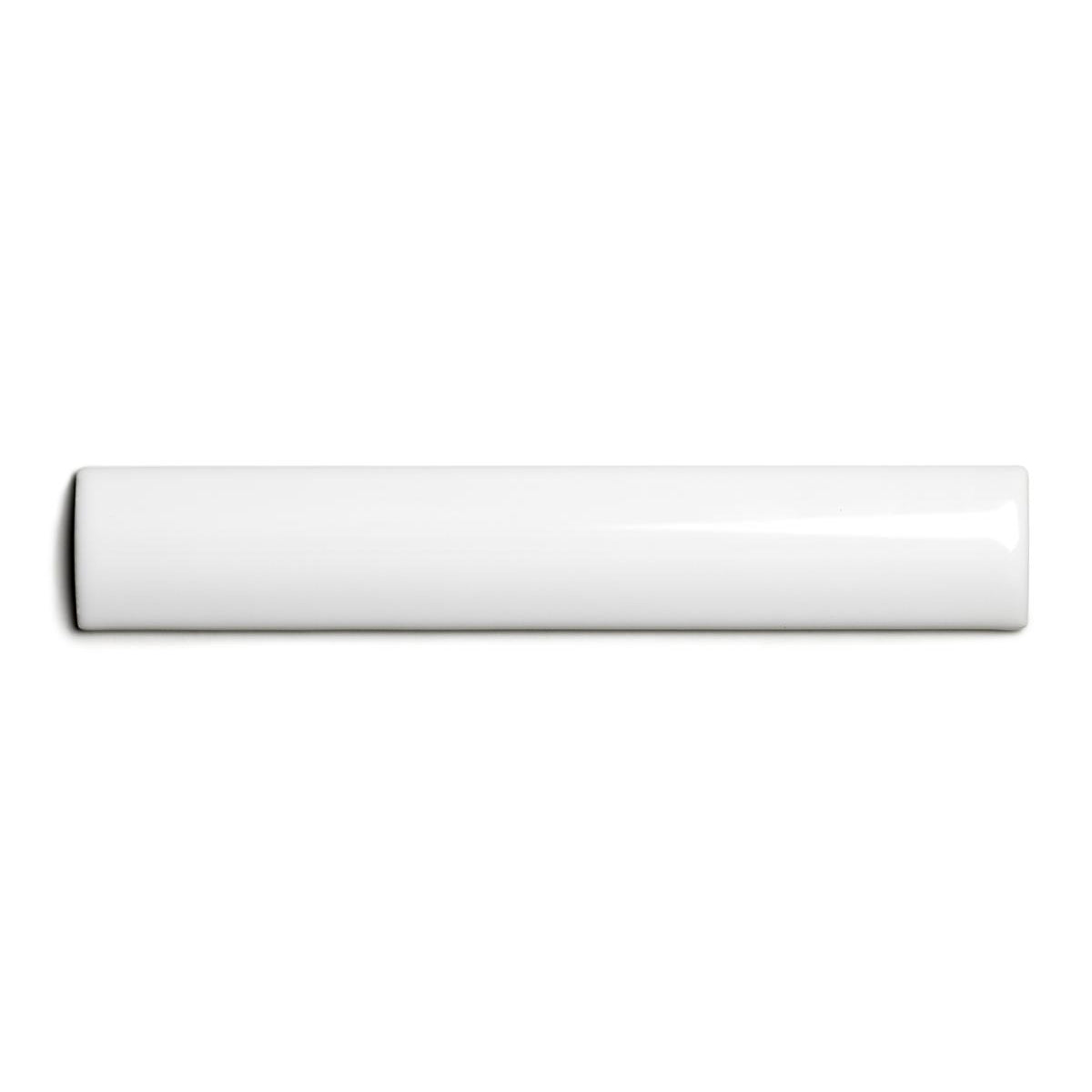
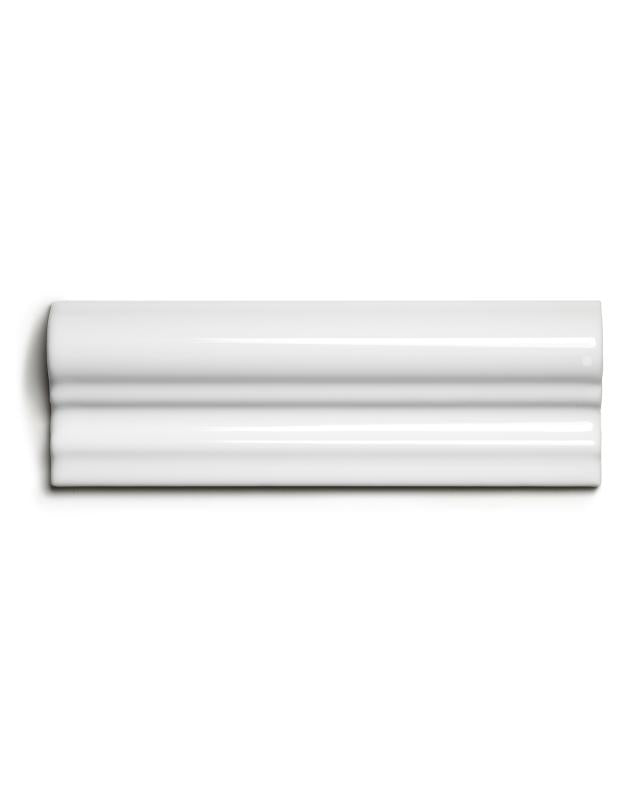
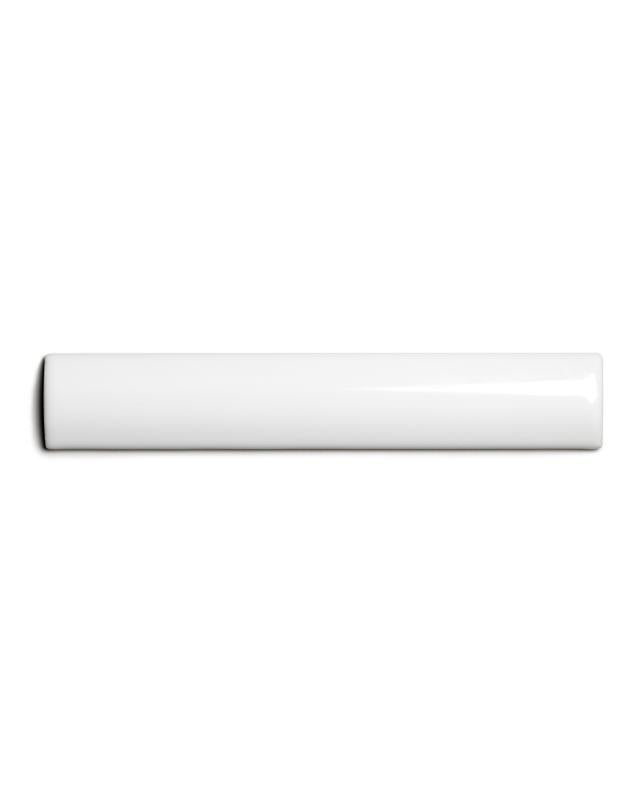
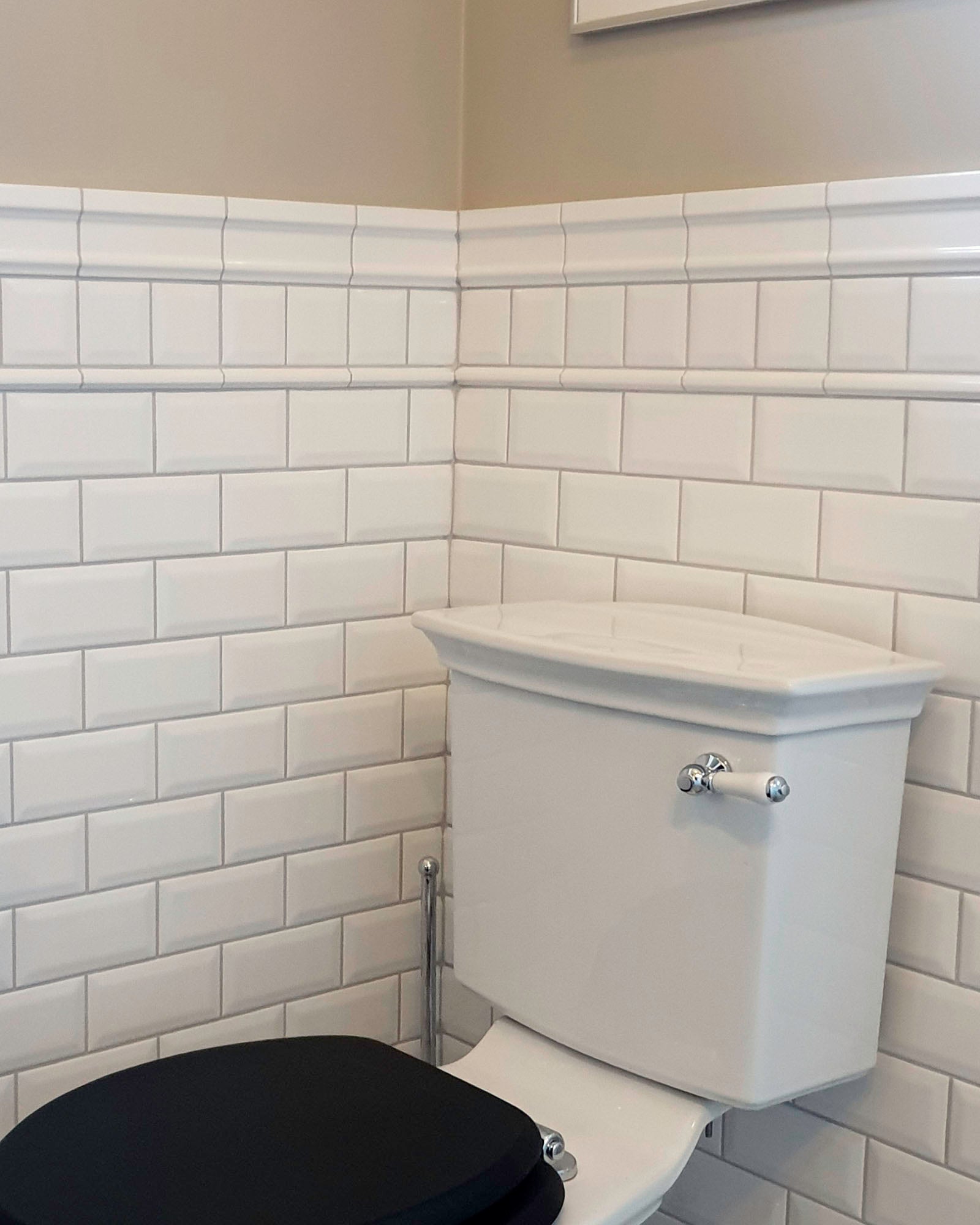
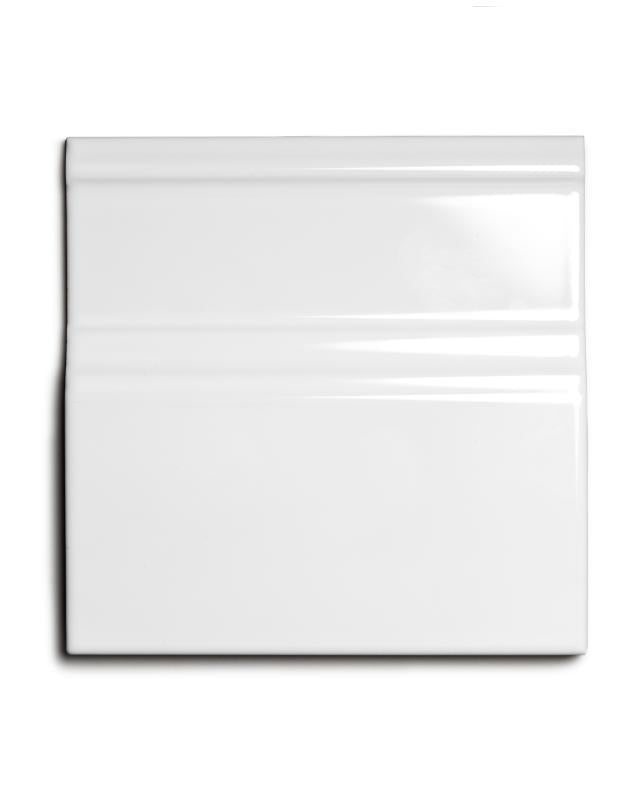
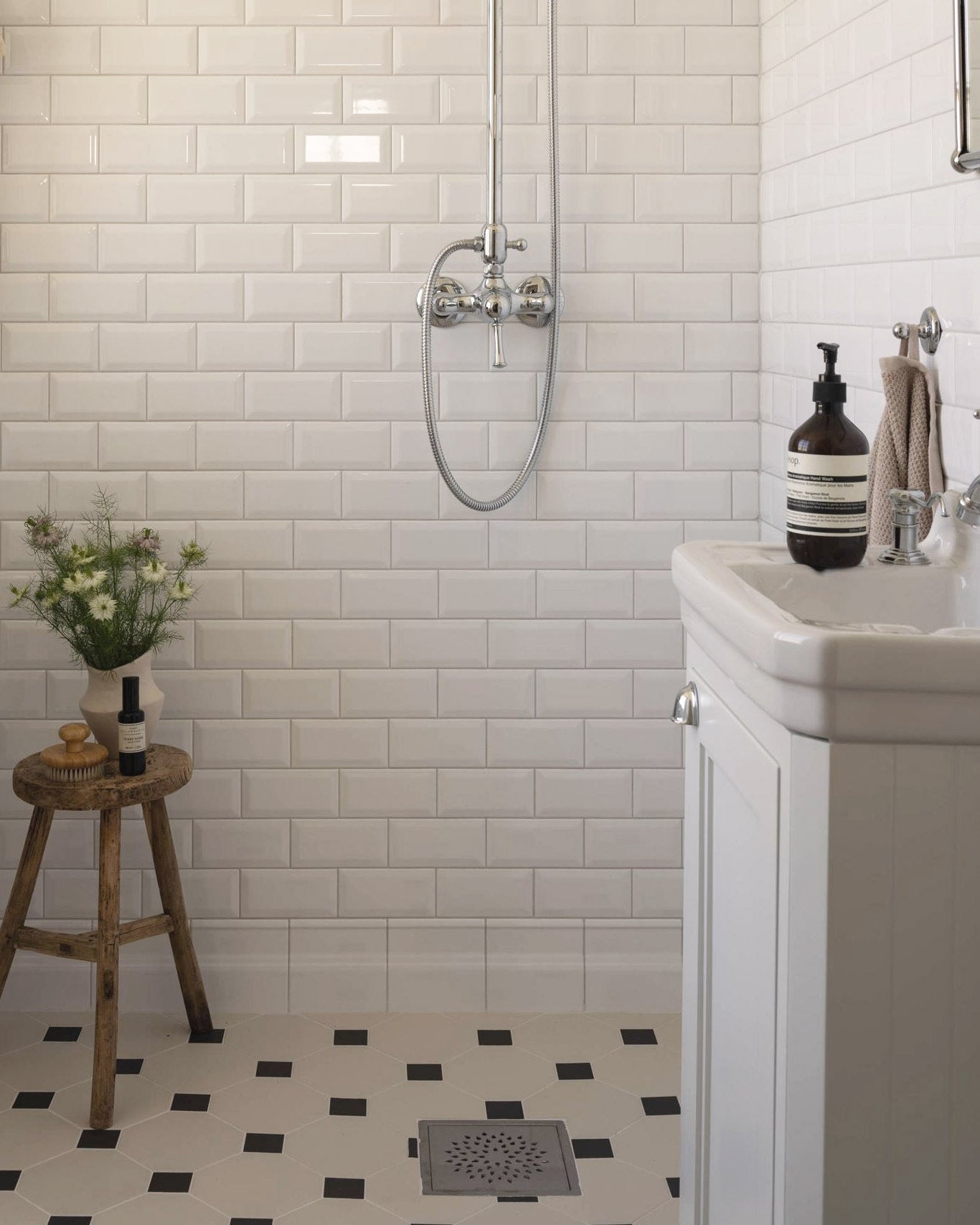
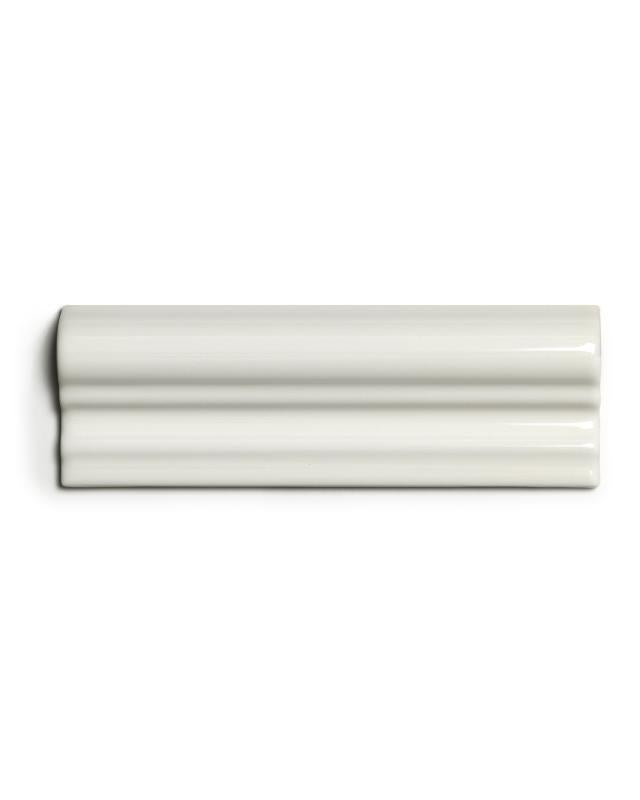
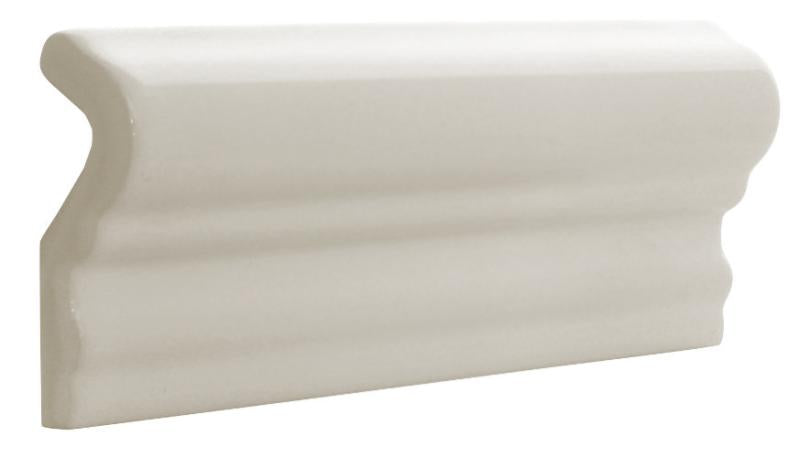
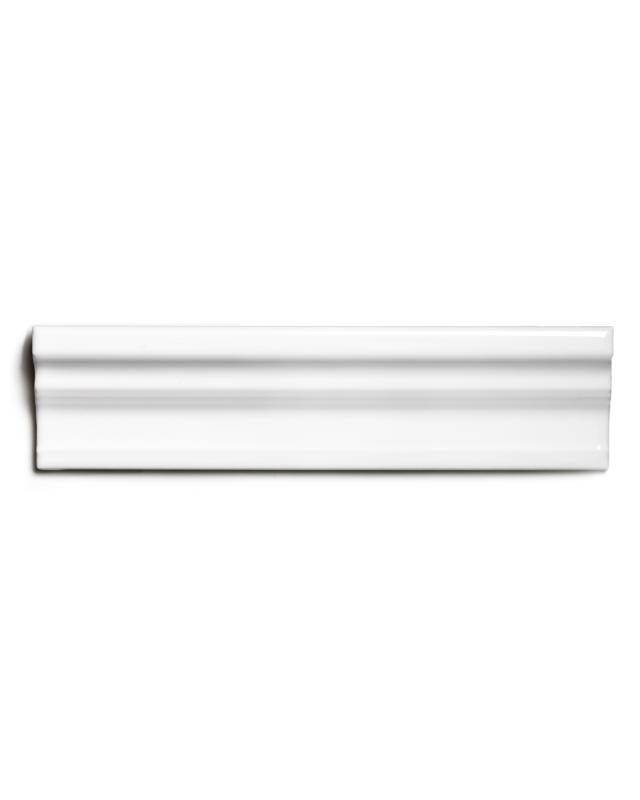
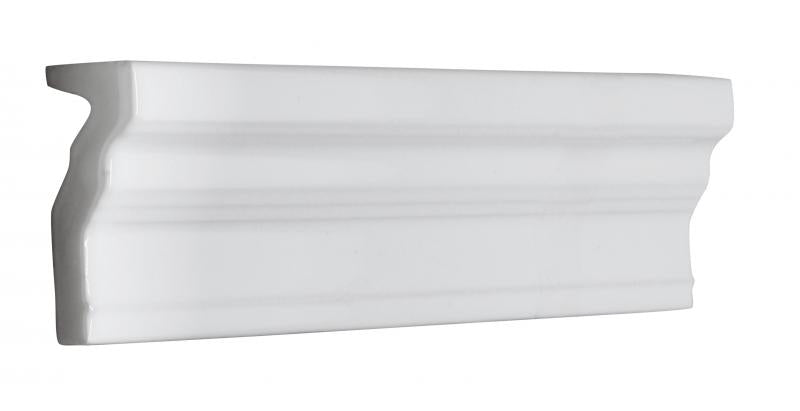
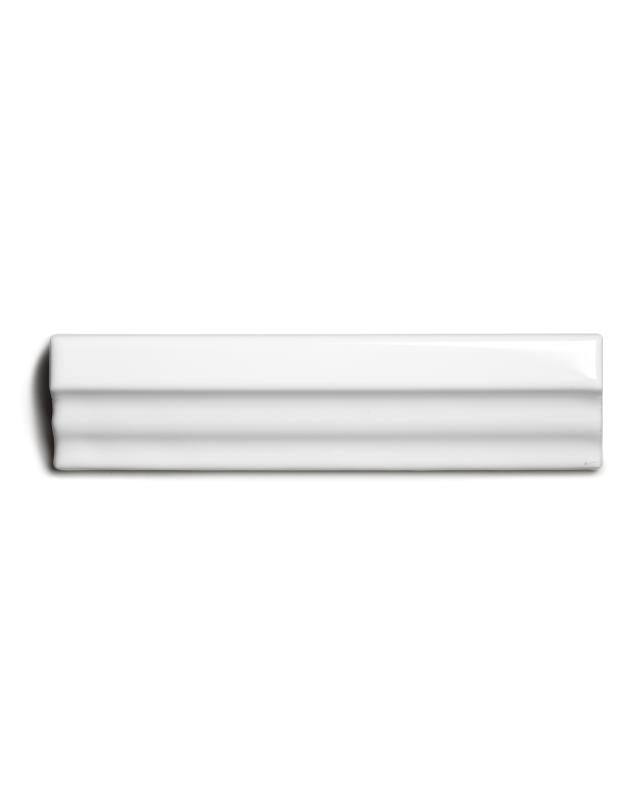
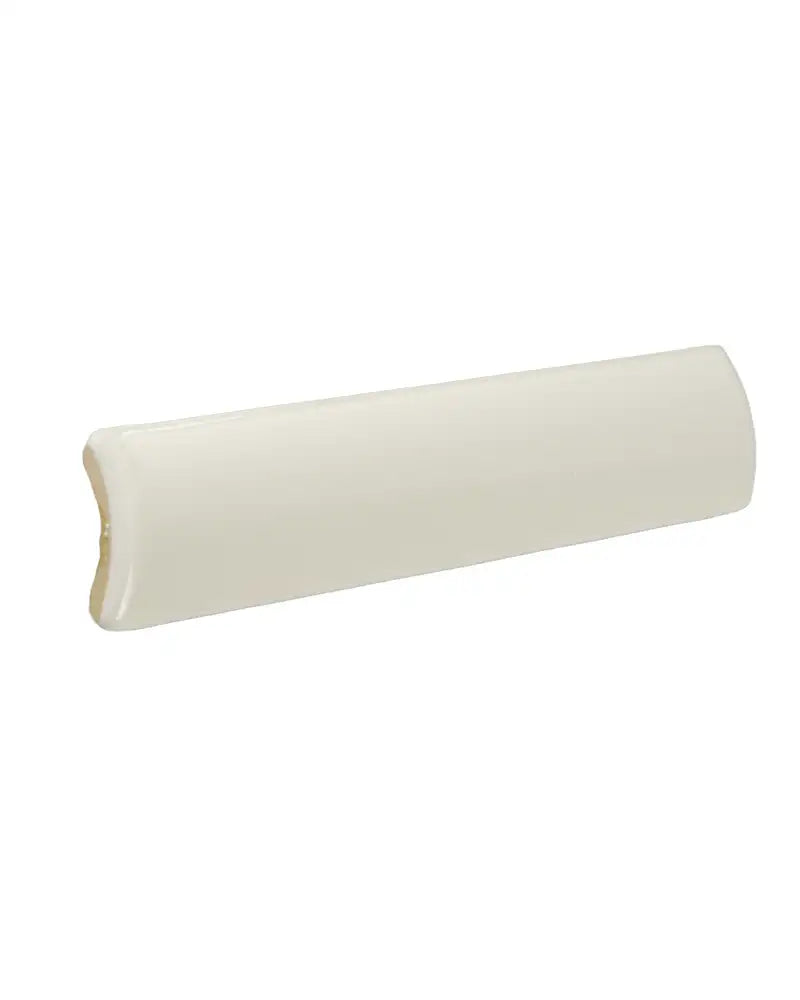
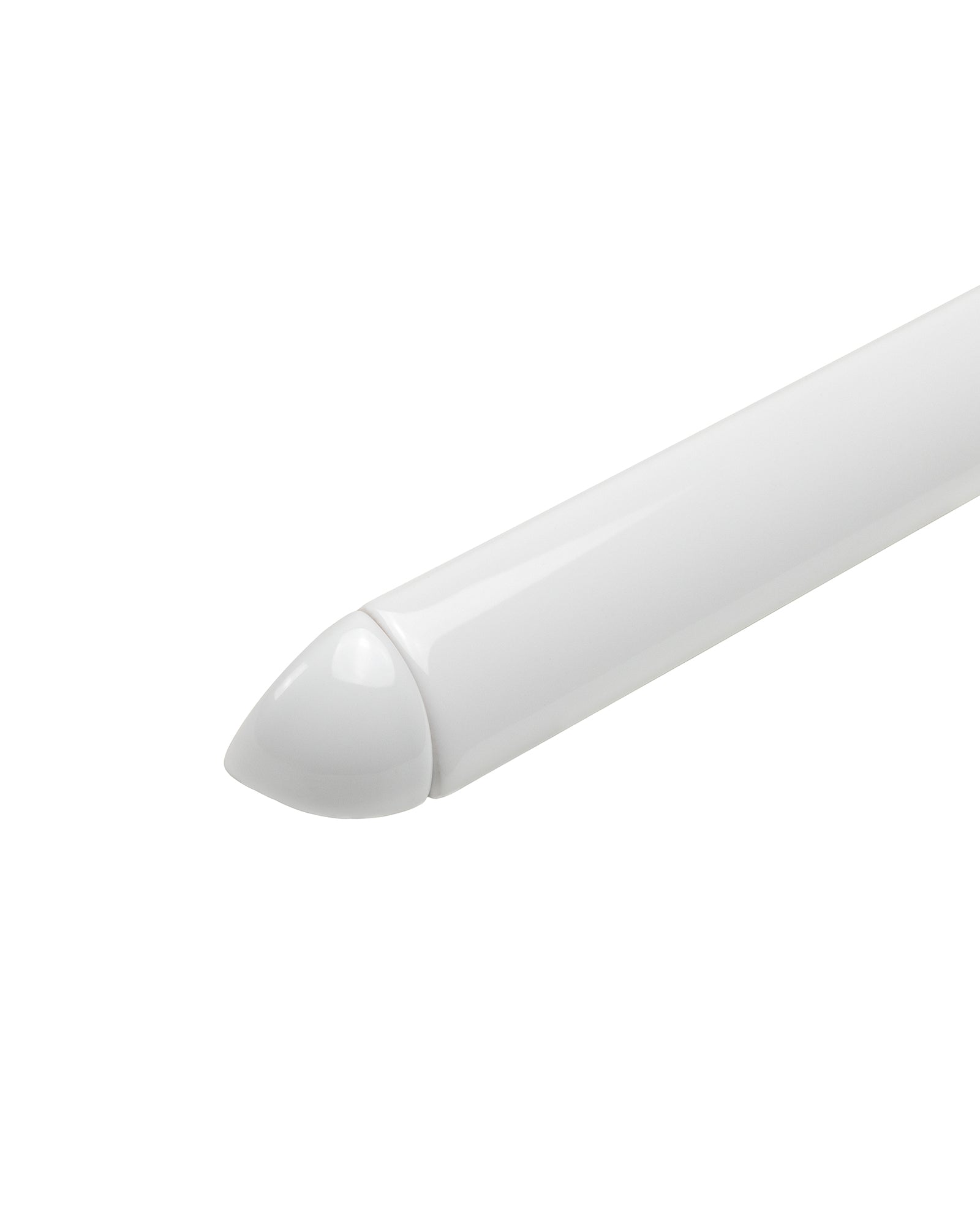
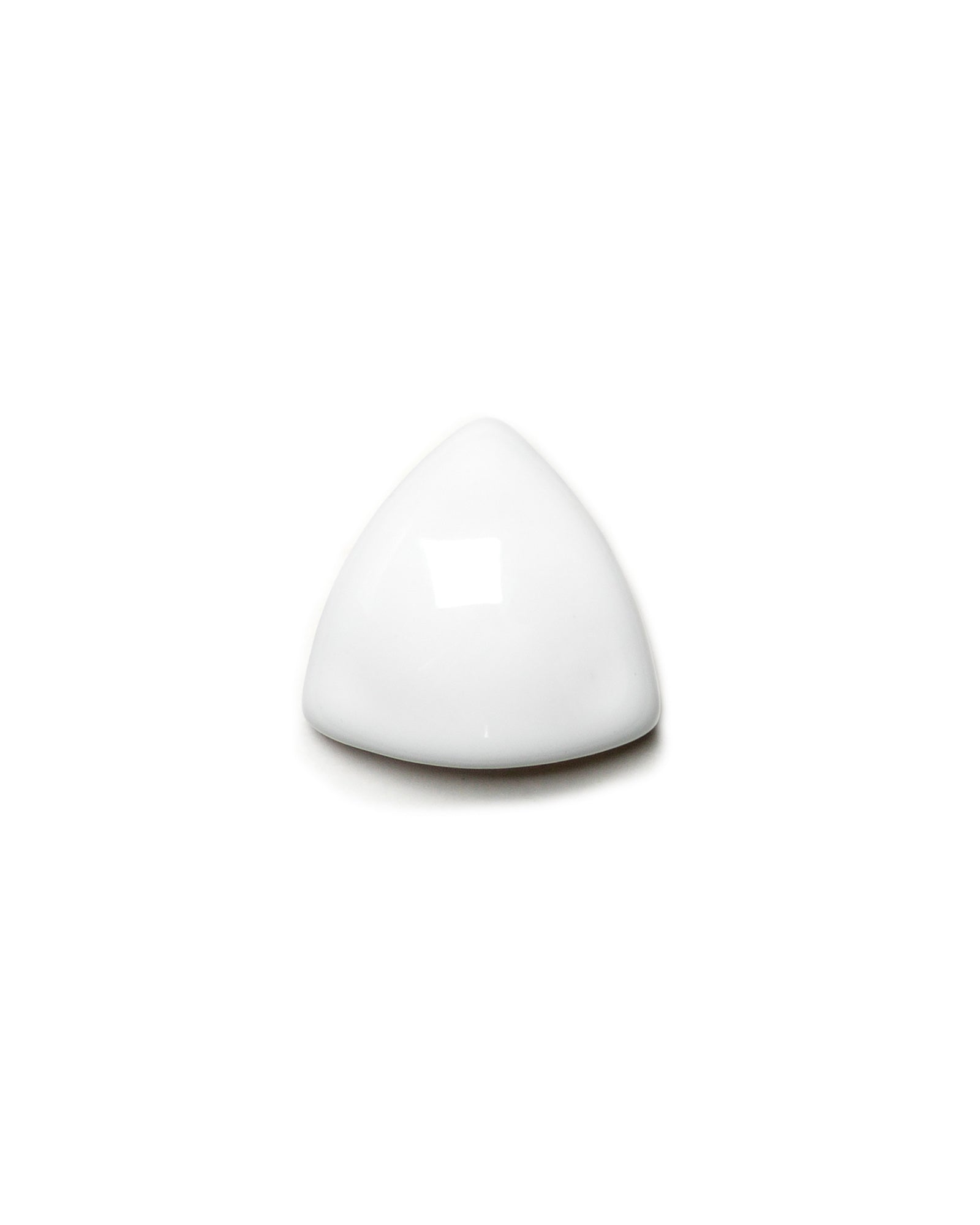
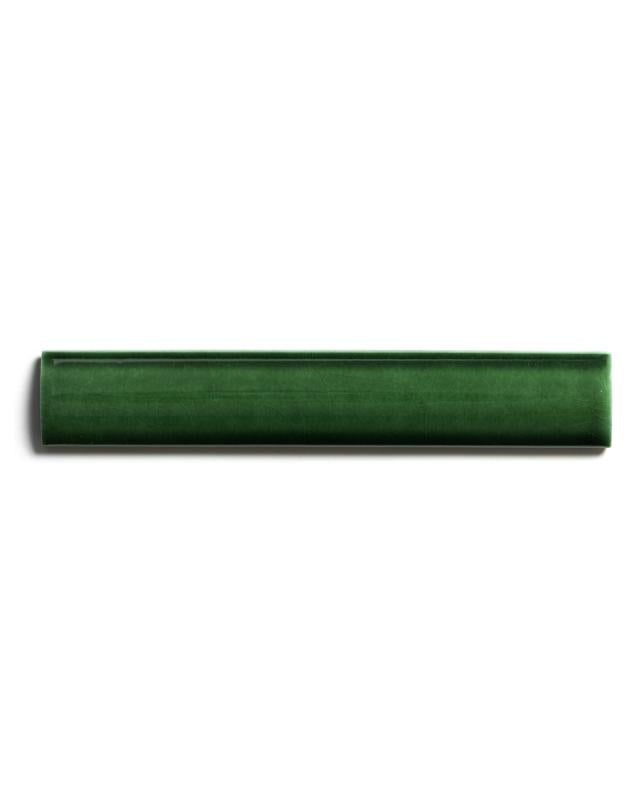
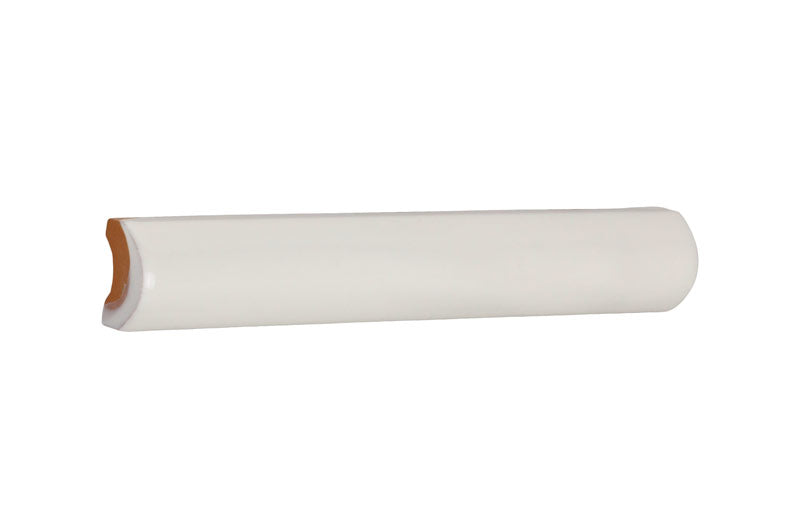
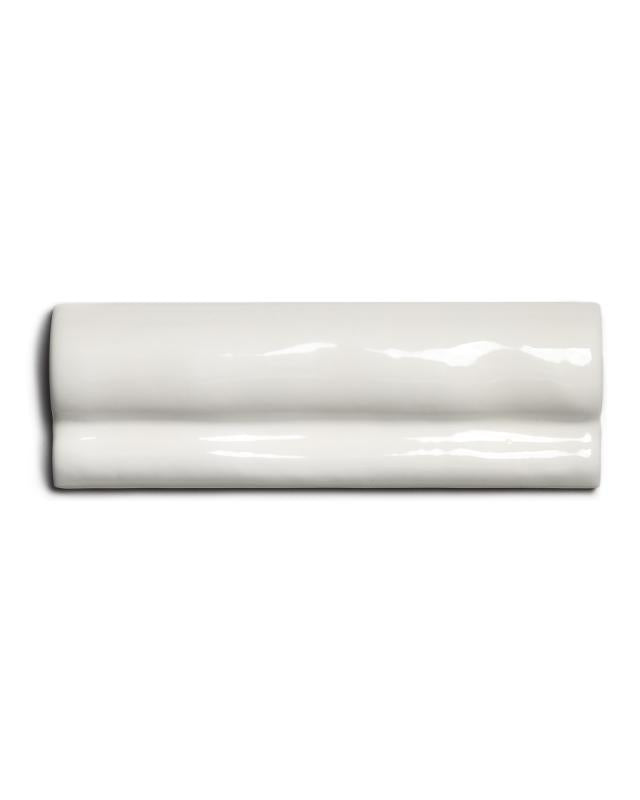
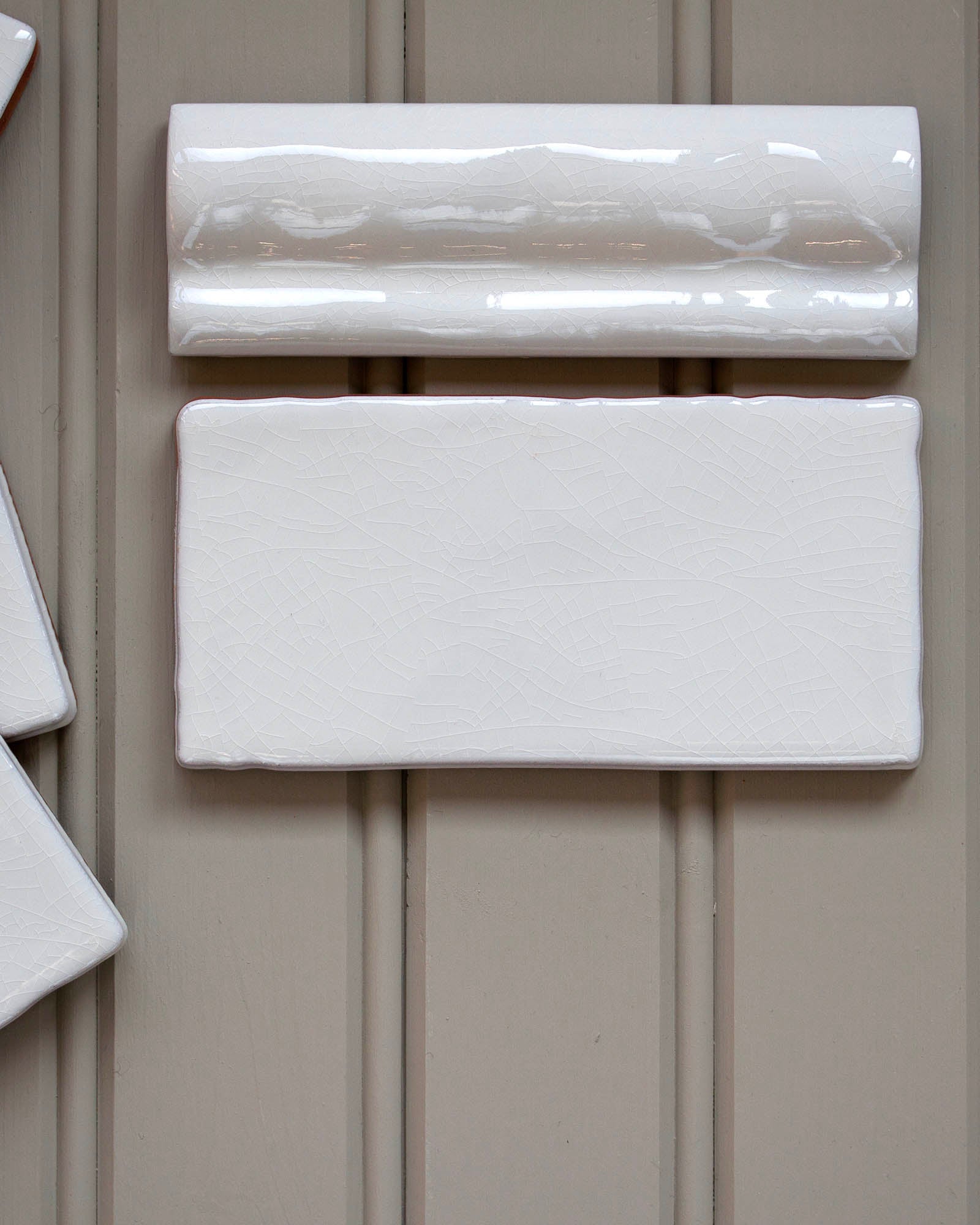
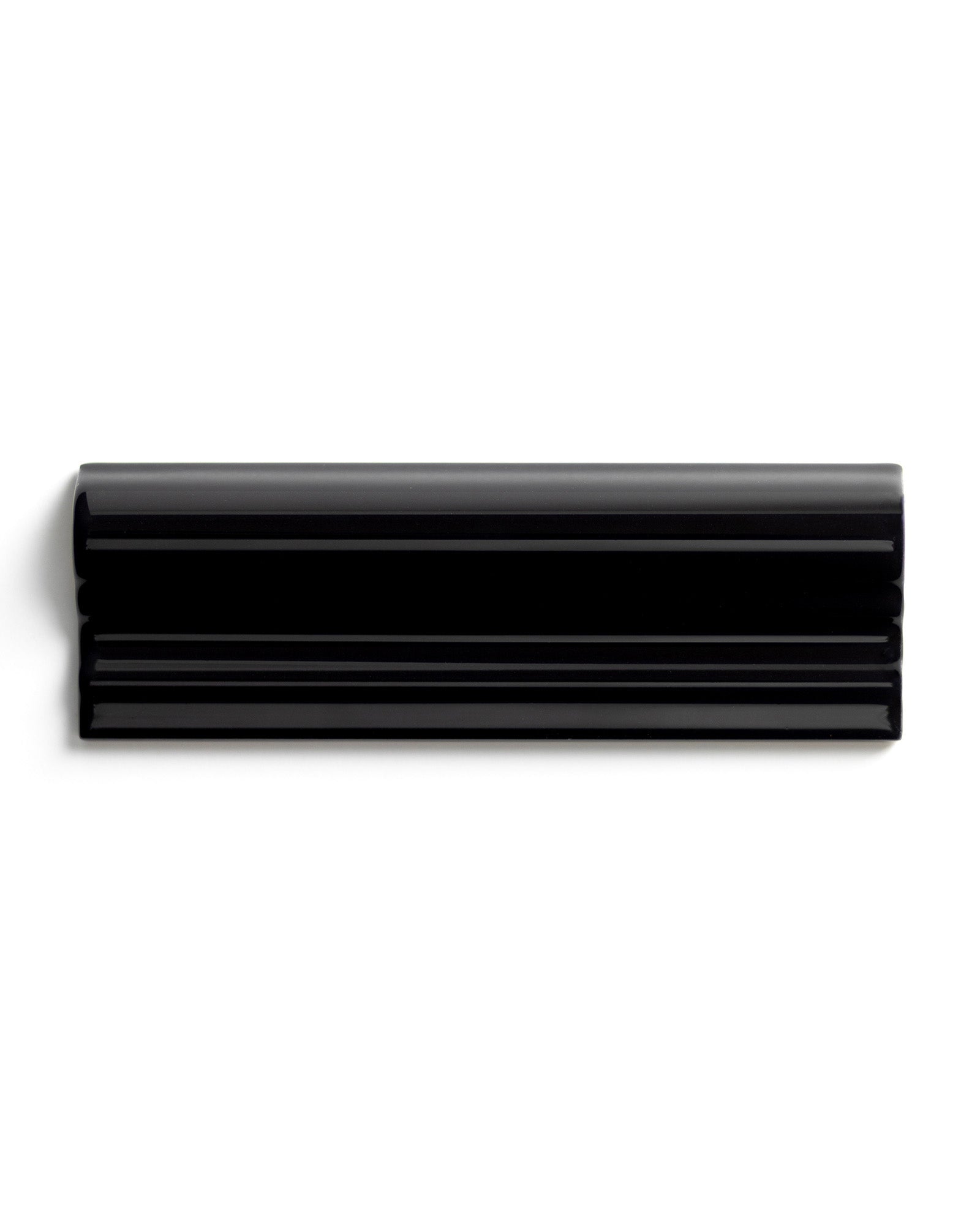
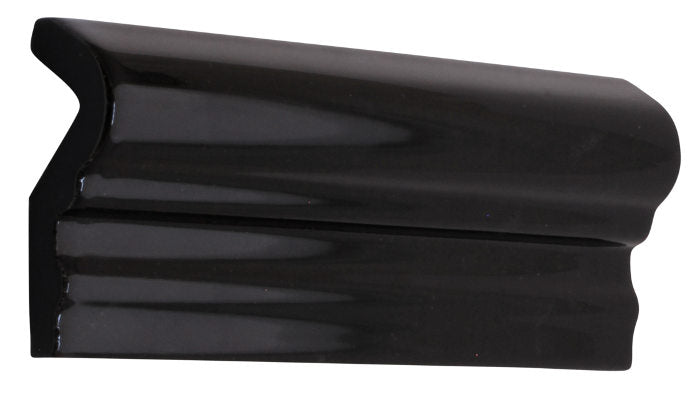
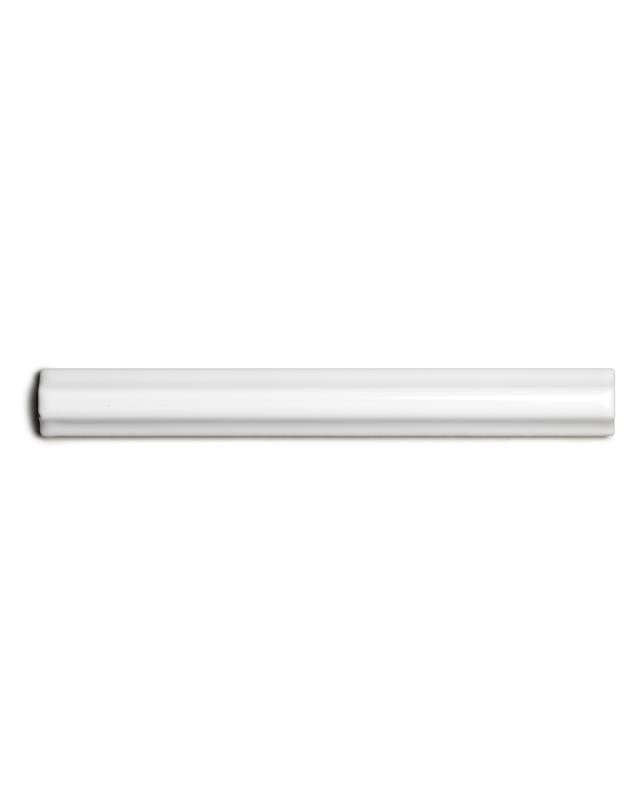
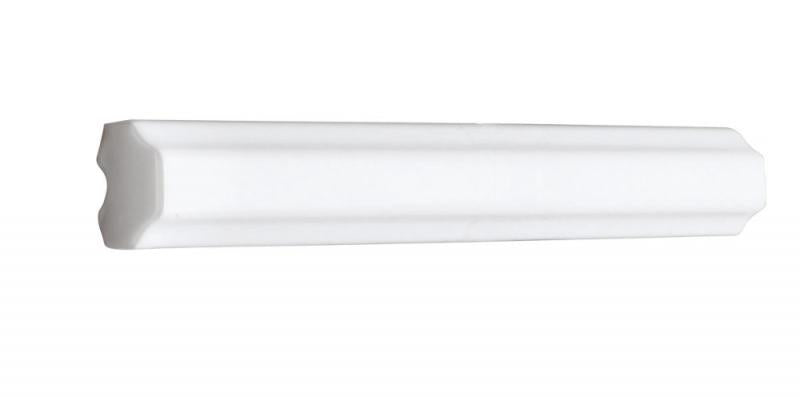
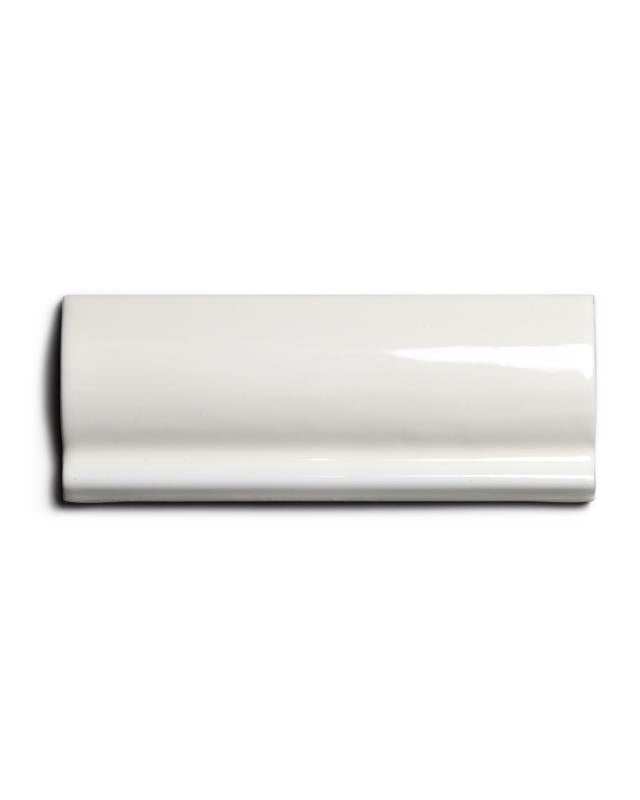
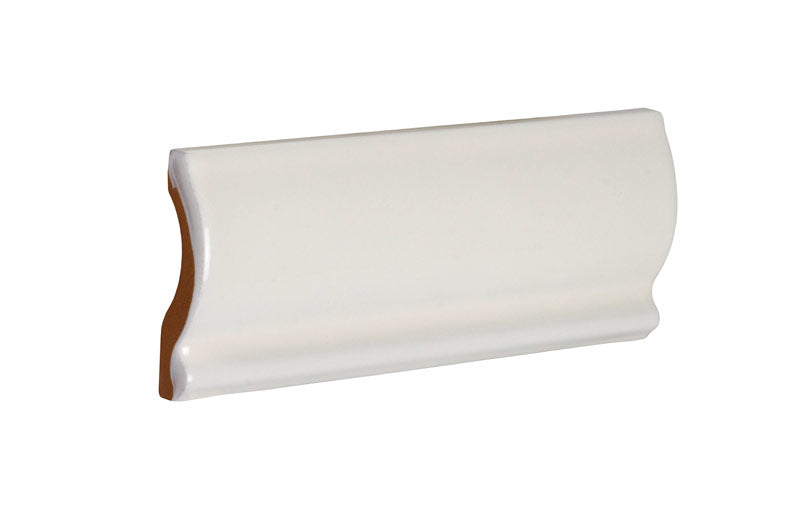
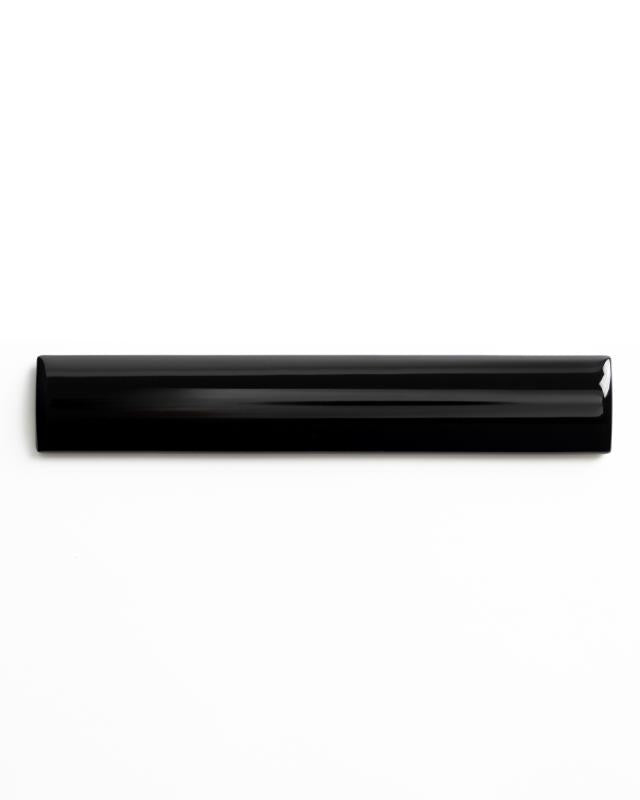
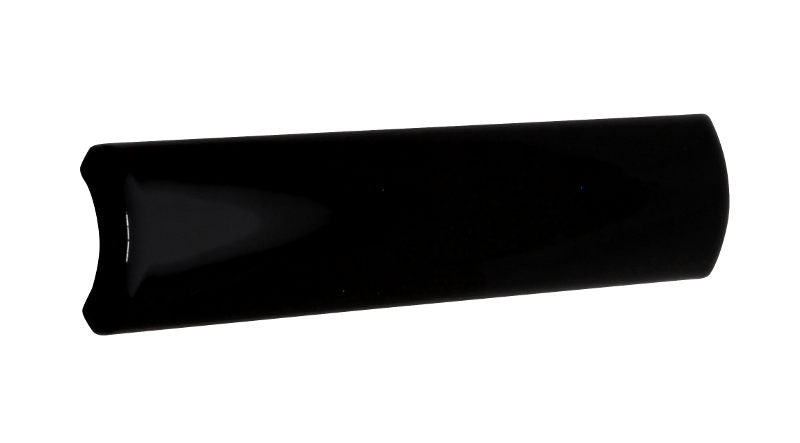
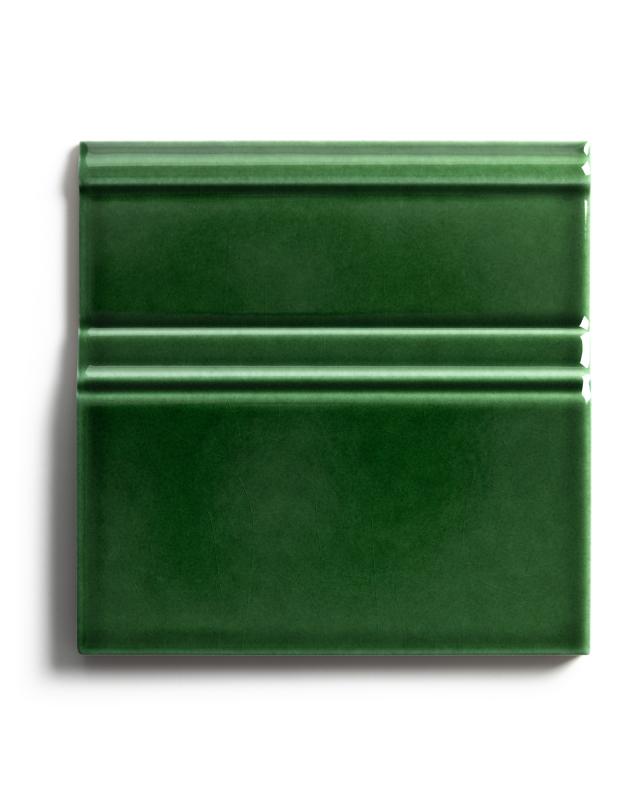
Do you have a bathroom in a classic style or another room in your home with old-fashioned tiles? To get the vintage-feeling, you should of course complement your walls with a period style tile molding. Below you'll see our selection of tile moldings.




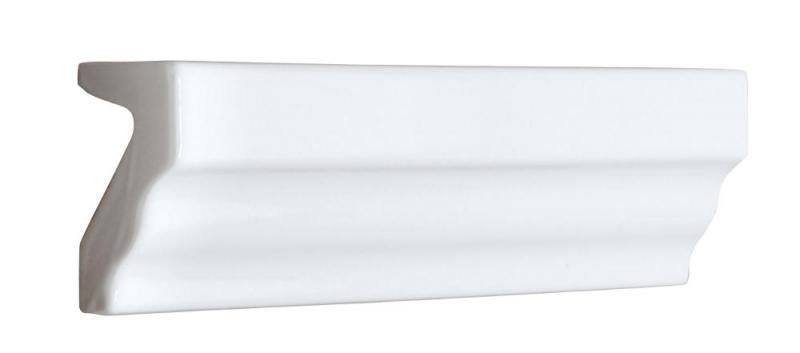
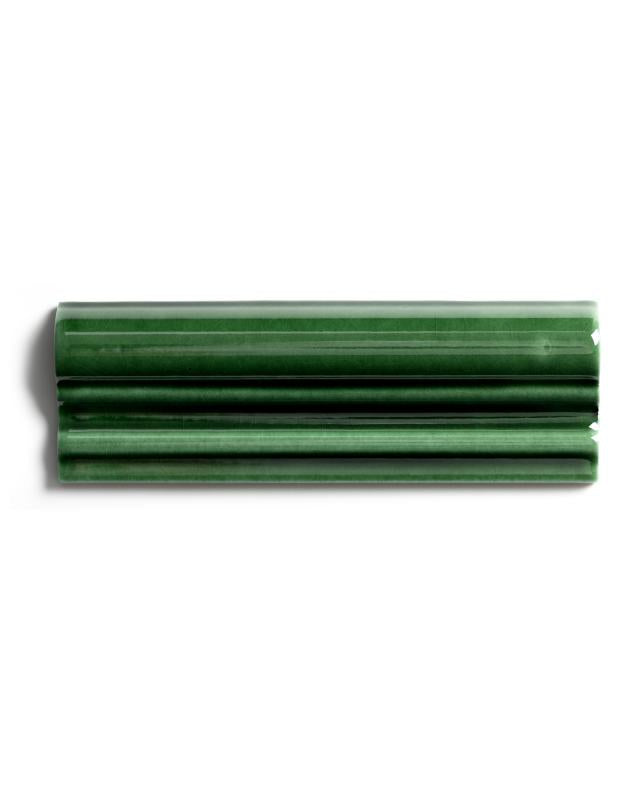
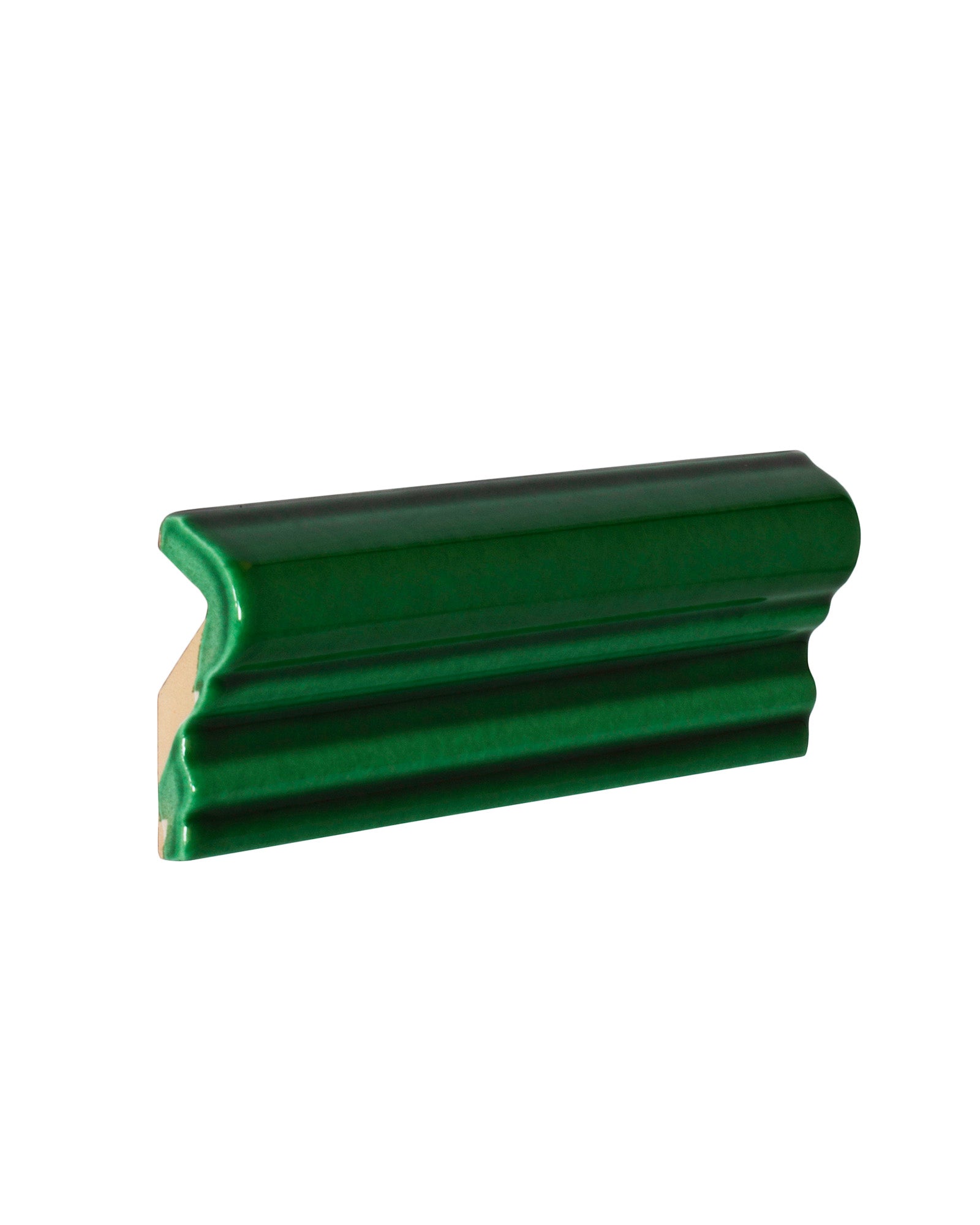
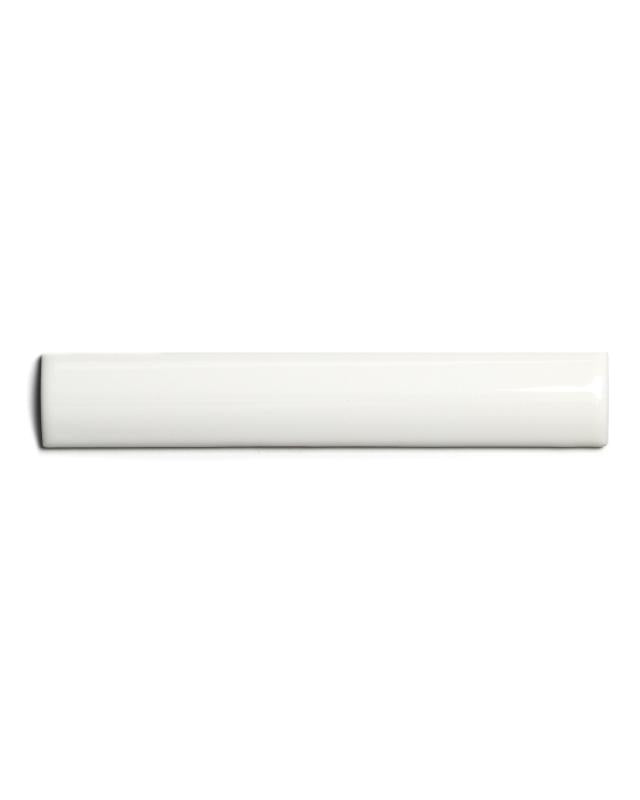
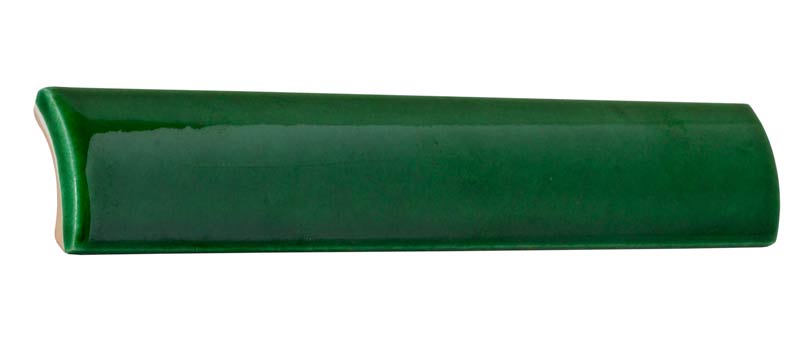
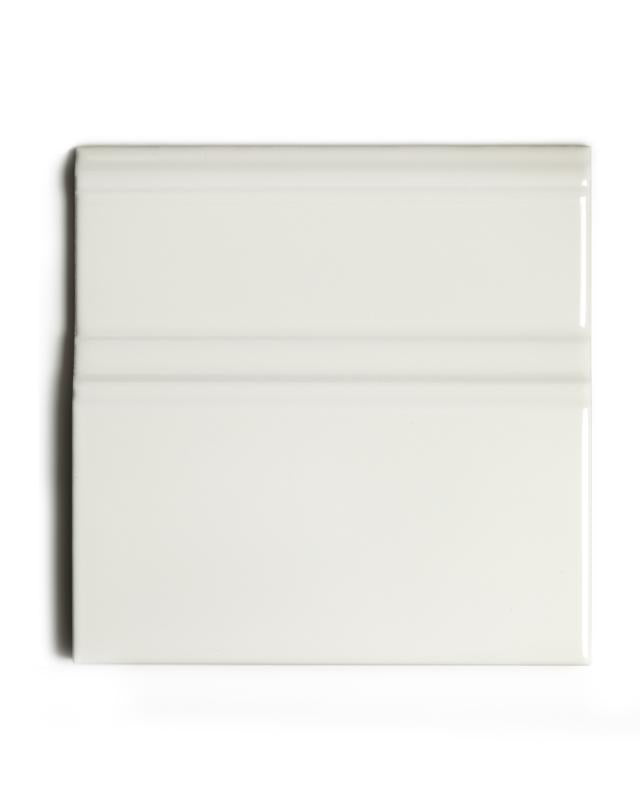
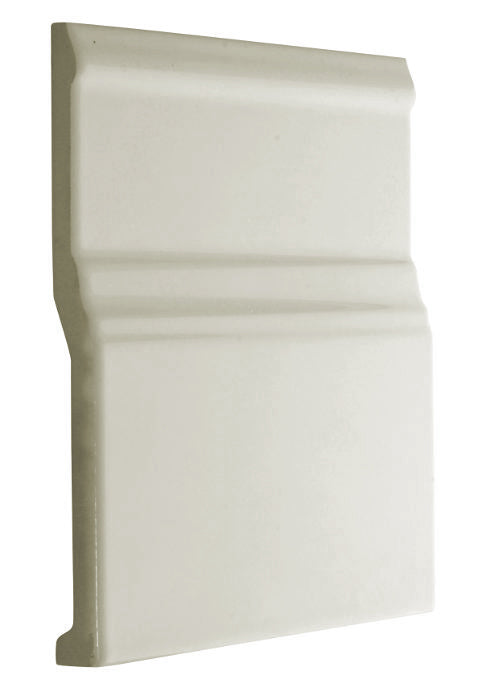
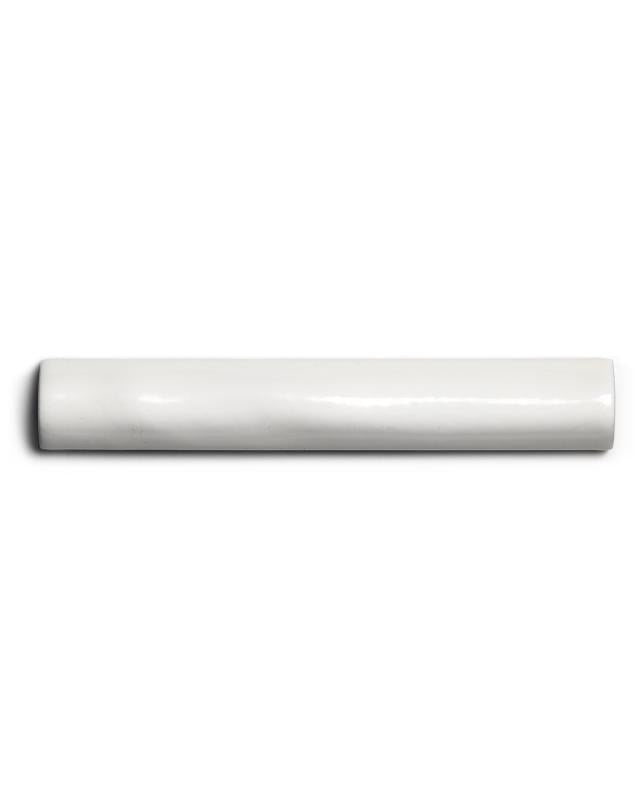
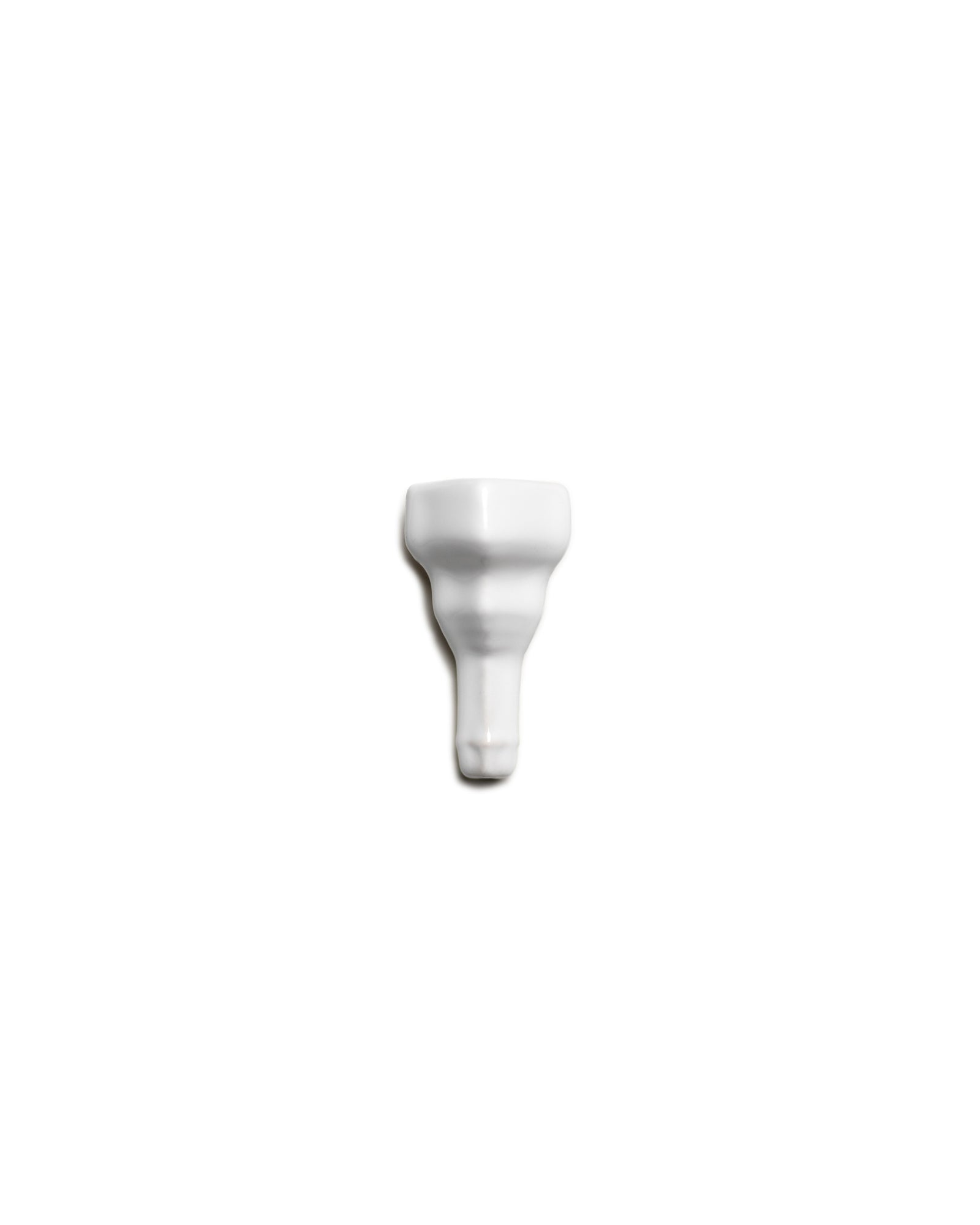
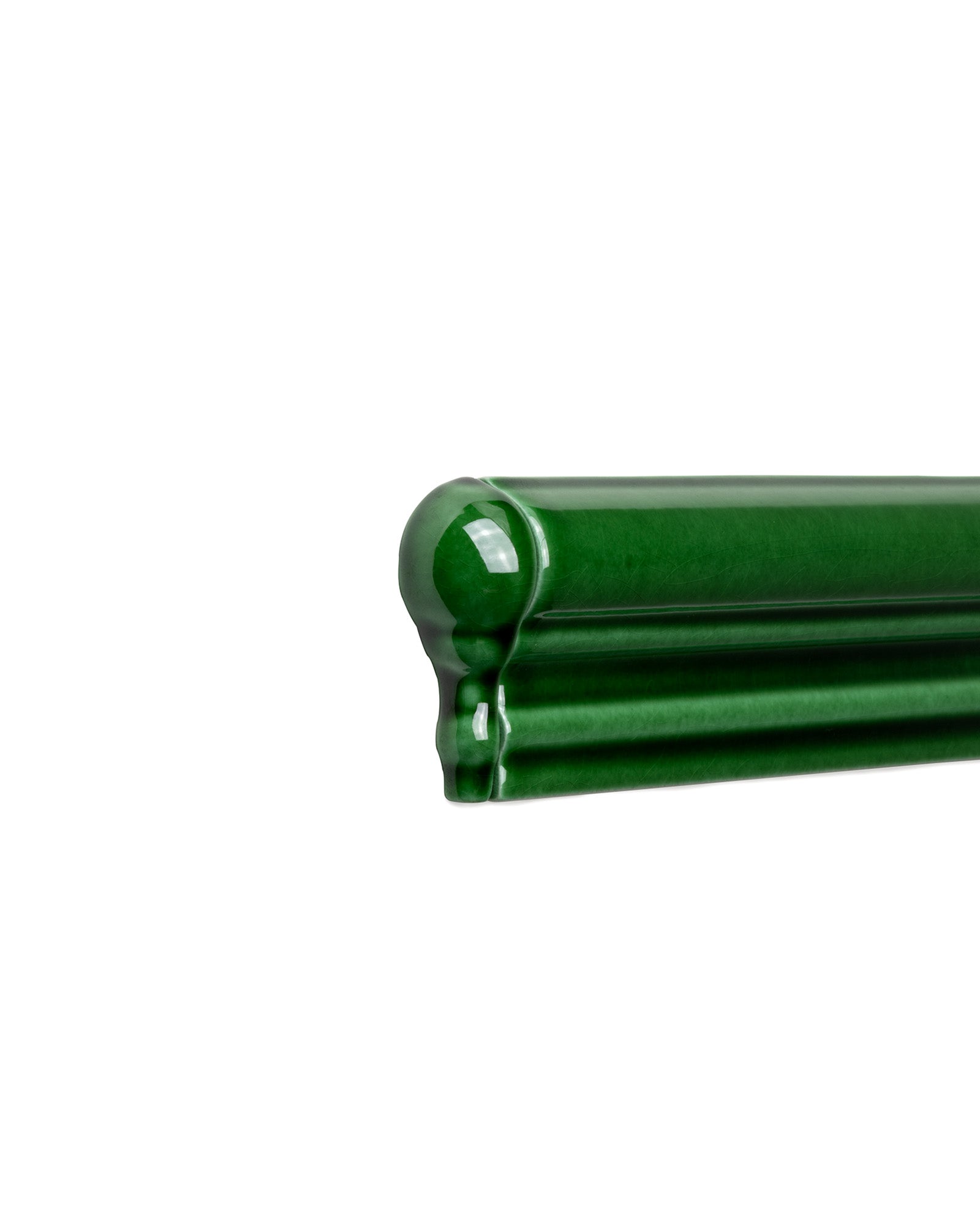
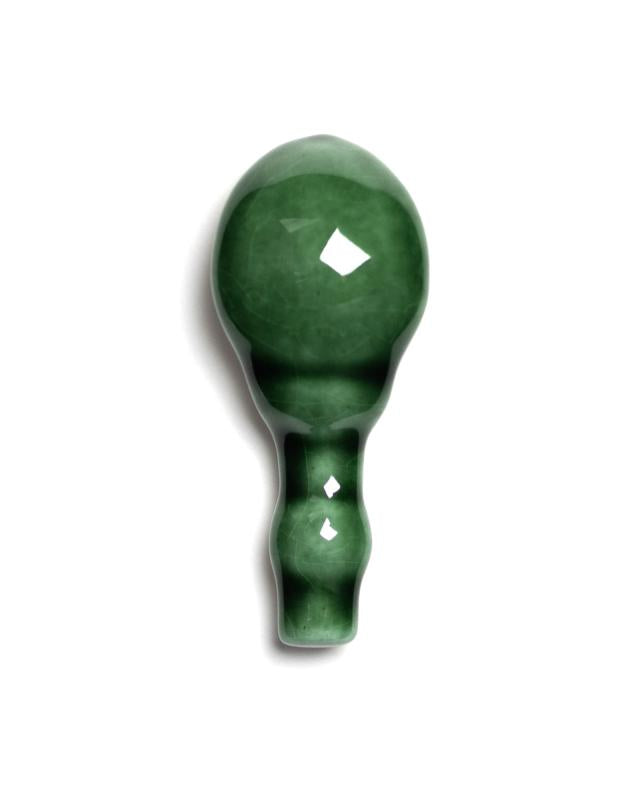
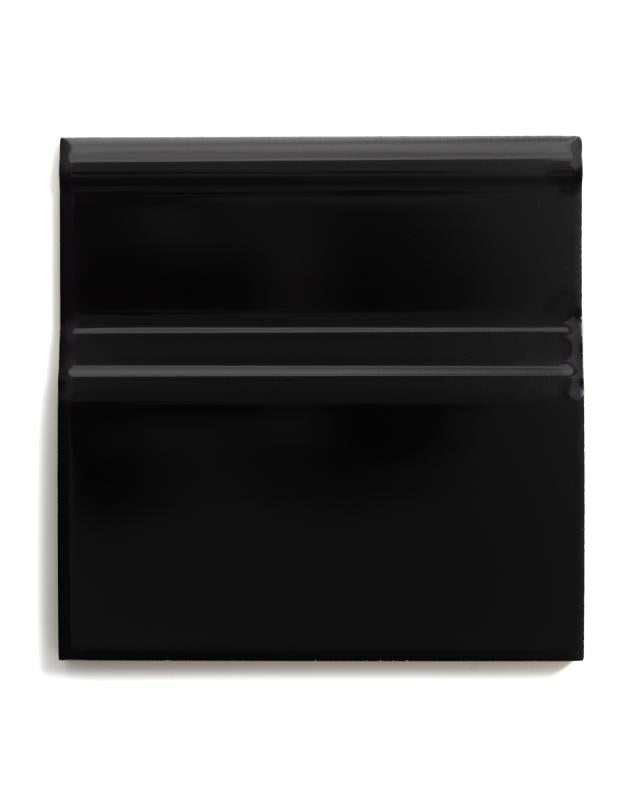
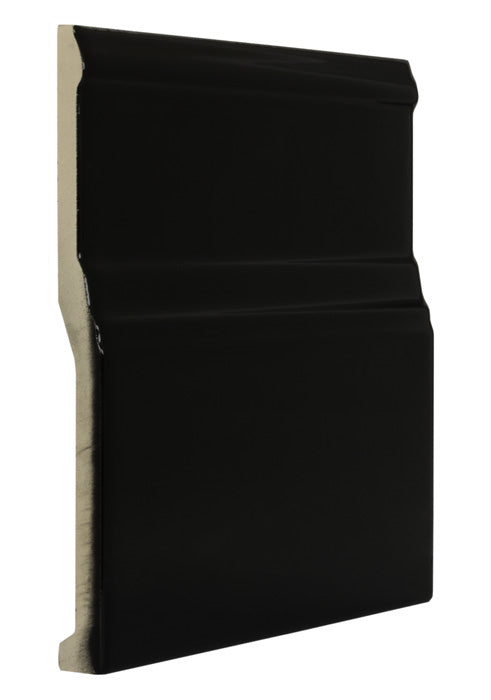
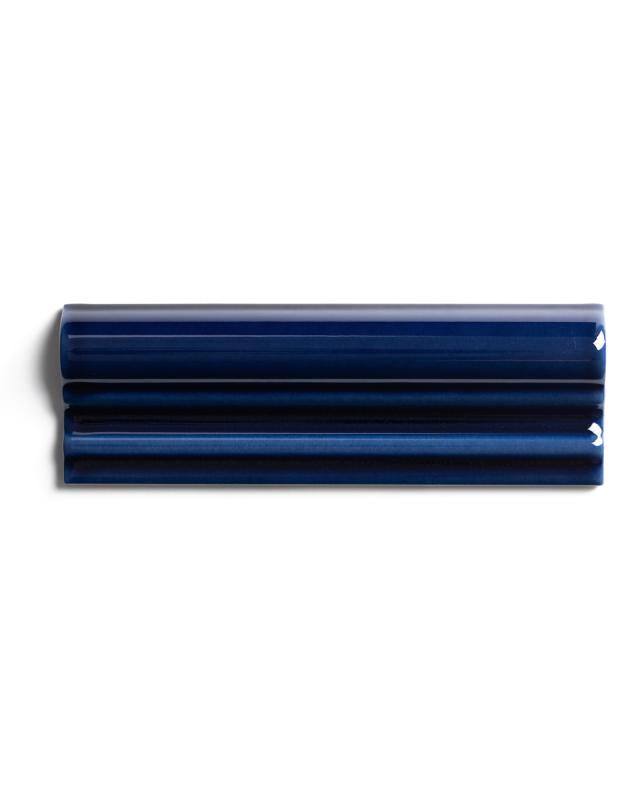
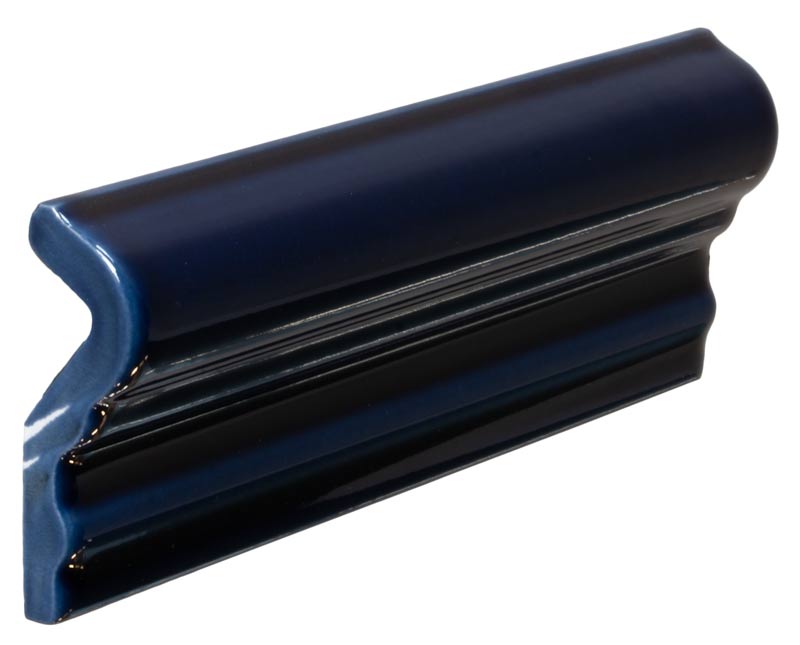
Tile Trims – Small Details that Create a Whole
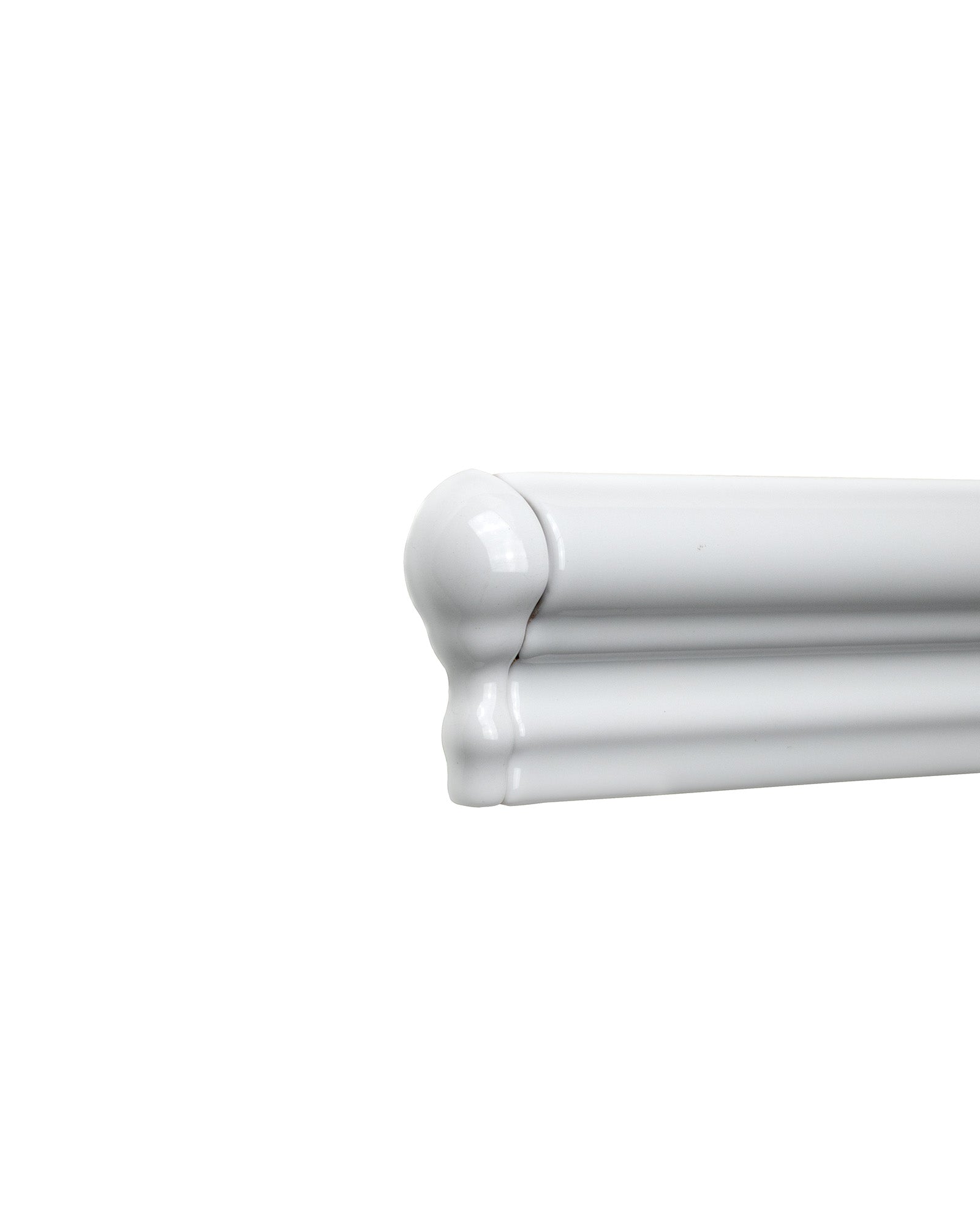
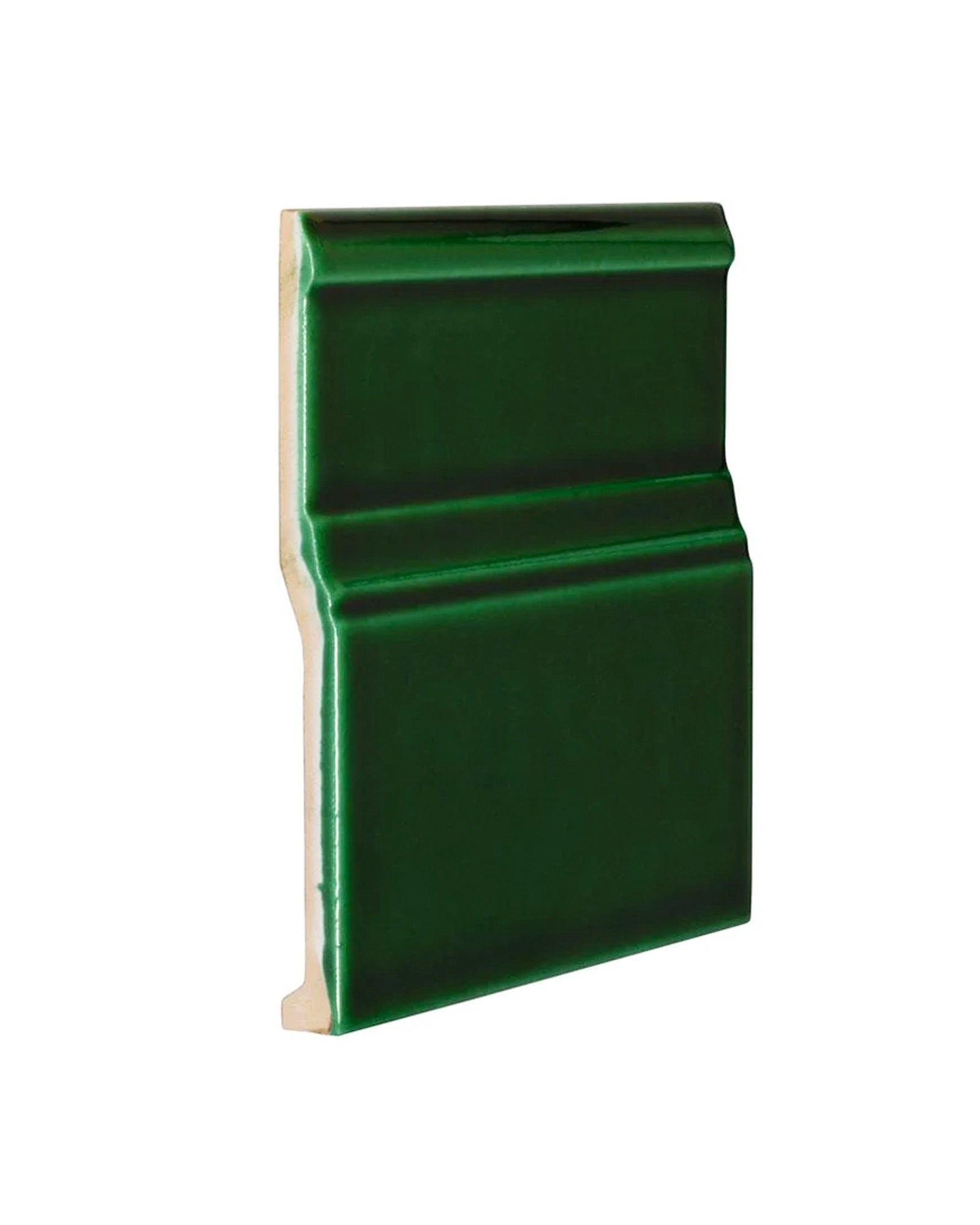
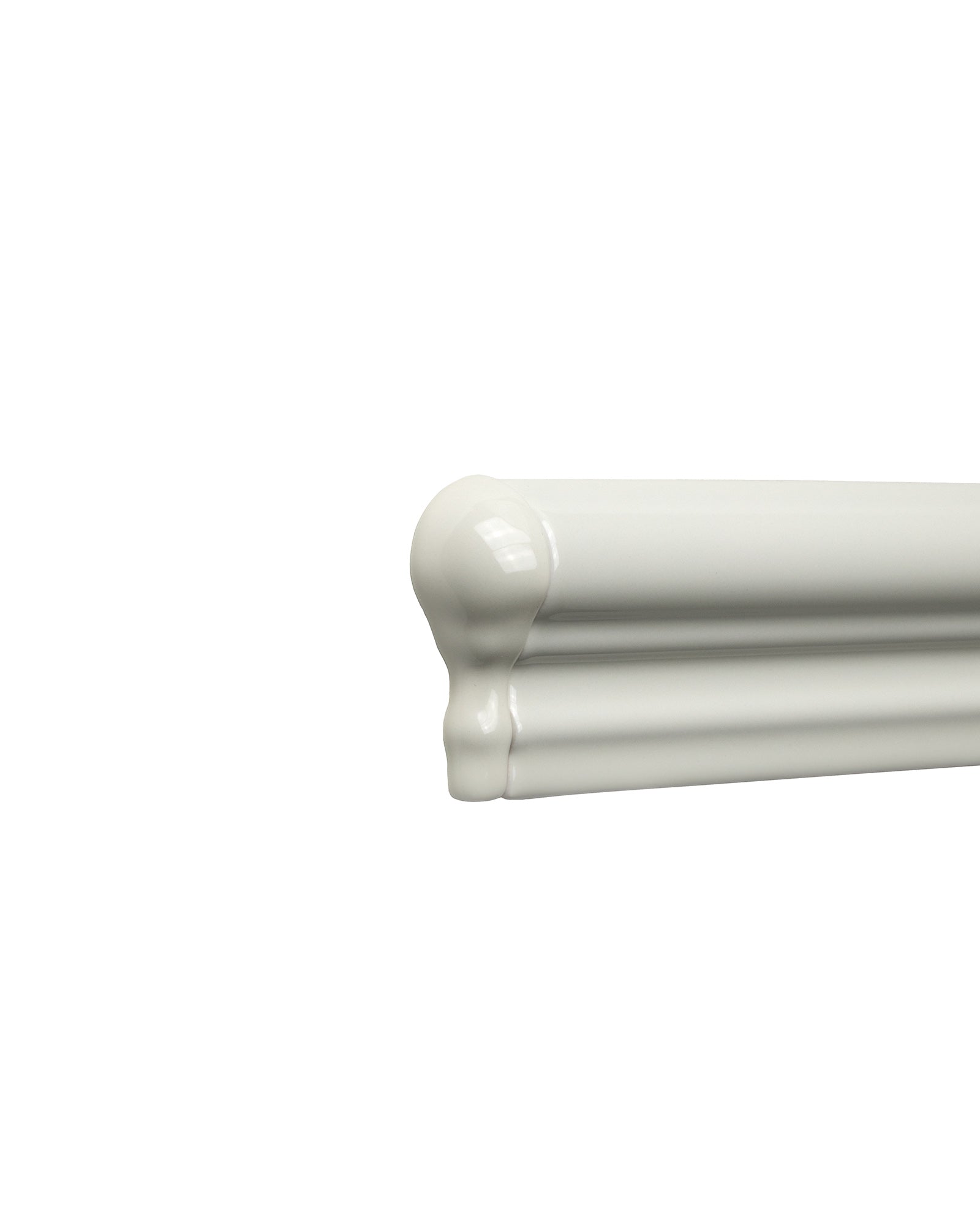
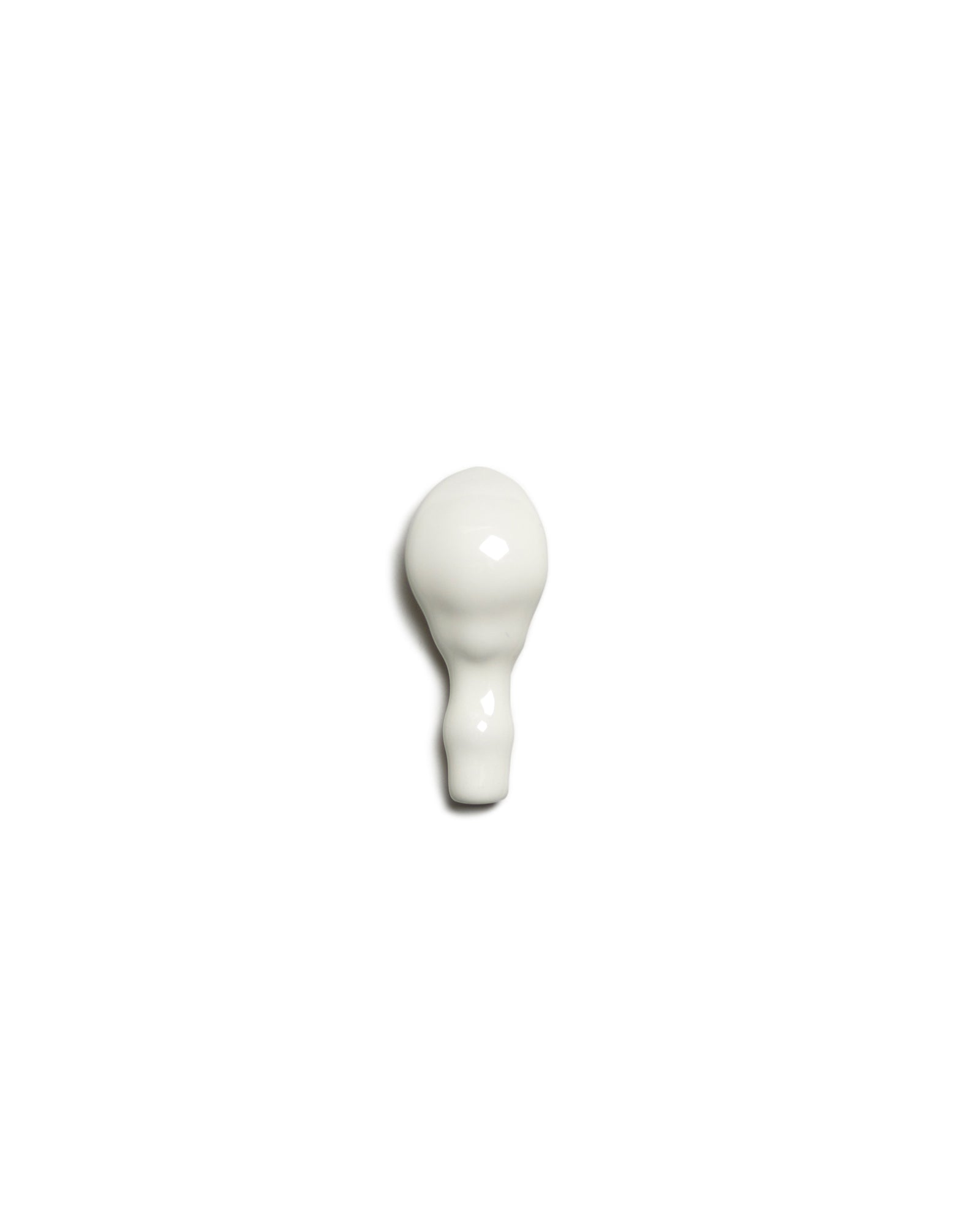
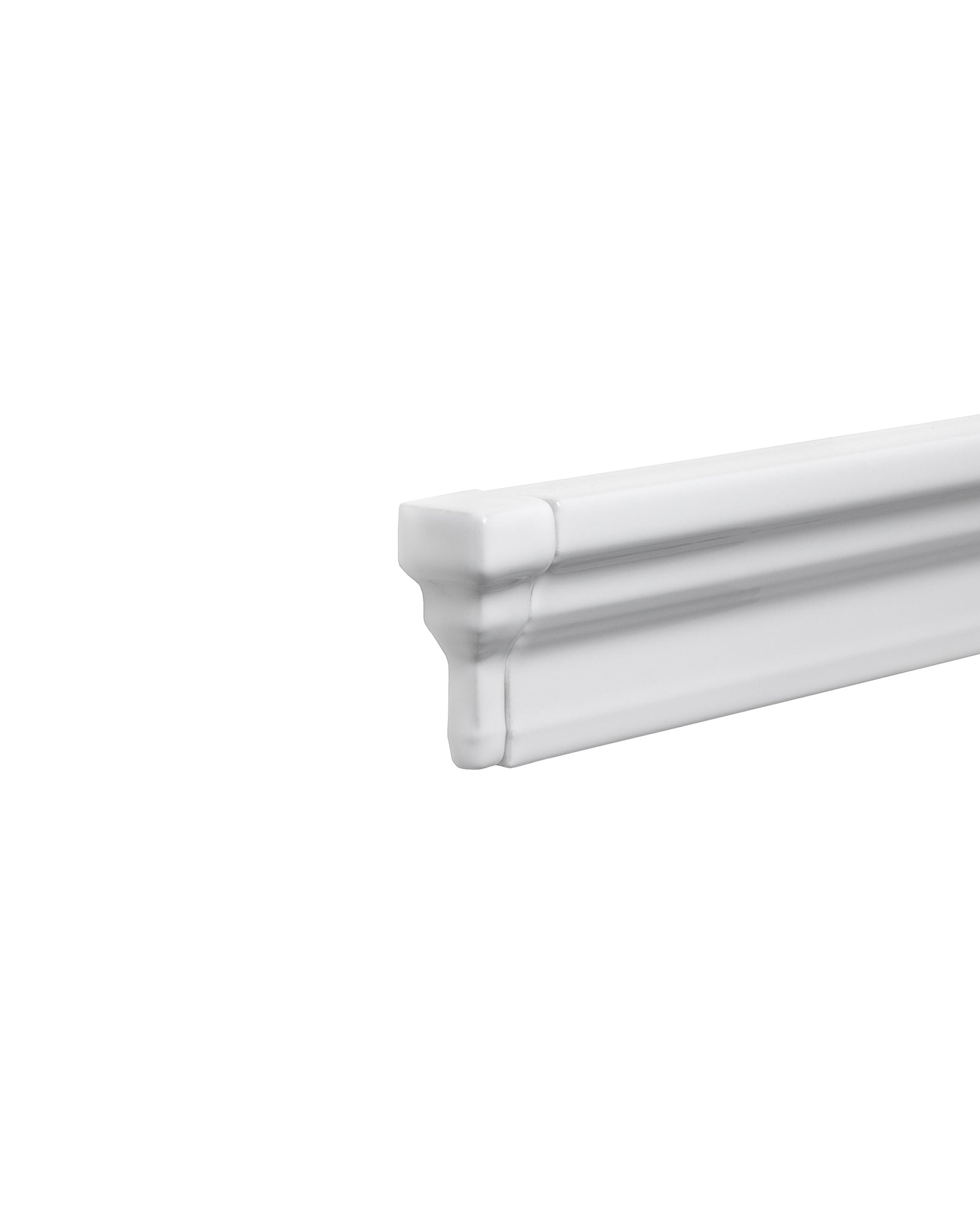
At Sekelskifte.se, you can find tile trims for all purposes. With a ceramic edge trim, you achieve a neat finish and prevent sharp edges. The range also includes ceramic baseboards, corner tile trims, and dado tile trims. These work in harmony and help to give your home the vintage feel you are looking for. Tile trims are small details that effectively manage to create a cohesive whole.
Frequently asked questions
At the turn of the last century, bathrooms began to gradually become a feature of newly built apartments and houses, but they were still uncommon in most households.
In wealthy homes, a small laundry room, called a toilet, was often furnished with a washbasin, dressing table, and sometimes a freestanding cast iron bathtub with decorative feet in the shape of lion paws or bird claws.
For many, however, daily hygiene was limited to washing with a washpot and washbasin, and bathing was rare – often in a tub on the kitchen floor or in communal bathtubs in the basement of the apartment building. For those who could afford it, there were also public bathing facilities.
The bathrooms had ceramic tile, limestone, or marble floors, while the walls were often covered with beadboard or tile. The sinks were deep and had a raised back edge to protect against splashing water, and the faucets—often with porcelain knobs indicating hot or cold—had separate pipes for each temperature. As technology advanced, bathrooms became a clear status symbol that marked the boundary between rich and poor.
Tiles were mainly used to cover walls and floors in areas exposed to water and moisture. Typically, tiles were laid up to half the height of the wall and finished with a decorative molding, creating a distinctive and period-typical wainscoting. Skirting boards and patterned tiles were also used to reinforce the character of the bathroom, and white tiles became the preferred choice to signal cleanliness.
A tile strip is a decorative and practical detail used to create stylish finishes or transitions between tiles and other surfaces. It also protects the edges of the tiles from damage and provides a more uniform finish.
Yes, during this period there was a clear development in both style and function. At the beginning of the period, tiles were often simple and purely practical, but over time more decorative elements began to be introduced, such as patterned tiles and profiled moldings.
Green and blue tiles became popular in the early 1900s, while black tiles were introduced as a dramatic contrast in more lavish settings. The inspiration came from the Art Deco and Art Nouveau styles, which emphasized organic shapes and luxurious materials. These colors were used to create a sophisticated and modern feel in bathrooms, while reflecting the era's focus on detail and aesthetics.
Fix is the adhesive or fixing compound used to attach tiles to the substrate, such as a concrete floor or a plastered surface. Fix is applied with a notched trowel to create an even and strong bond between the tiles and the substrate.
The amount of grout used depends on the size of the tiles, the desired joint size, and the angle of the trowel used to spread the grout (90 degrees or 45 degrees). As a rule of thumb, for normal-sized tiles (7.5x15, 10x20, 15x15, 20x20), approximately 2.5 kg per square meter is required. You will find more technical data, instructions for use, etc. in the product specification.
Grout is used to fill the gaps (joints) between the tiles after the adhesive has dried. The grout helps to keep the tiles stable, protects against dirt and moisture, and gives the floor an aesthetically finished look. Grout is available in different colors to match the tiles.
The amount of grout used depends on the size of the tiles, the desired joint size, and the angle of the trowel used to spread the grout (90 degrees or 45 degrees). As a rule of thumb, for normal-sized tiles (7.5x15, 10x20, 15x15, 20x20), approximately 1 kg per square meter is used.
