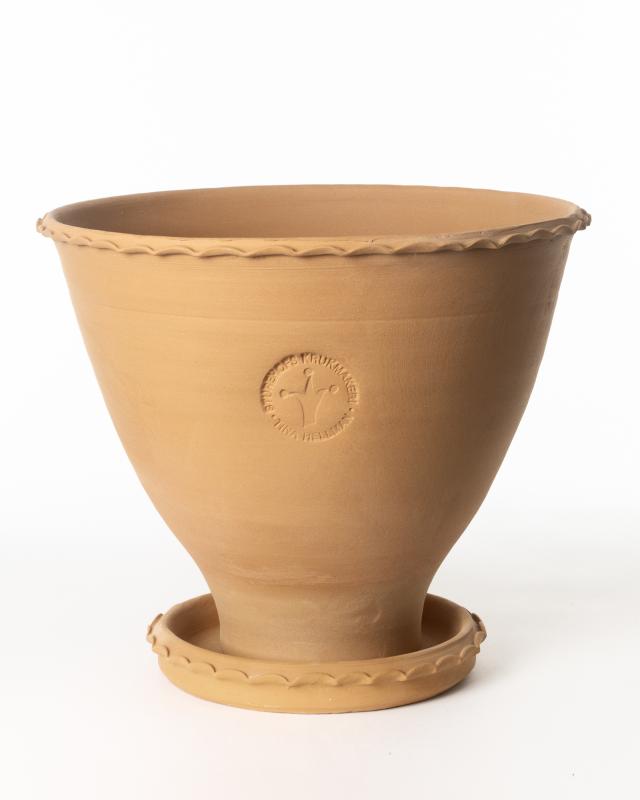
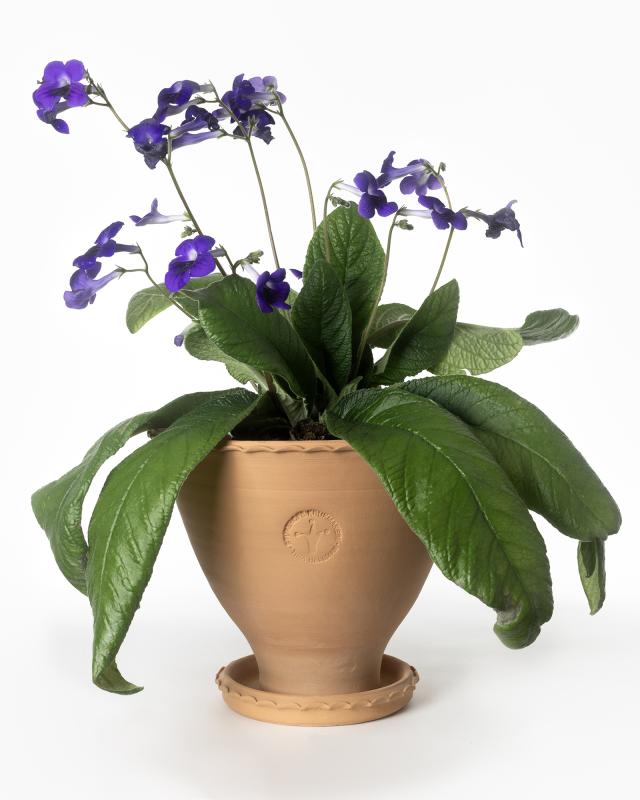
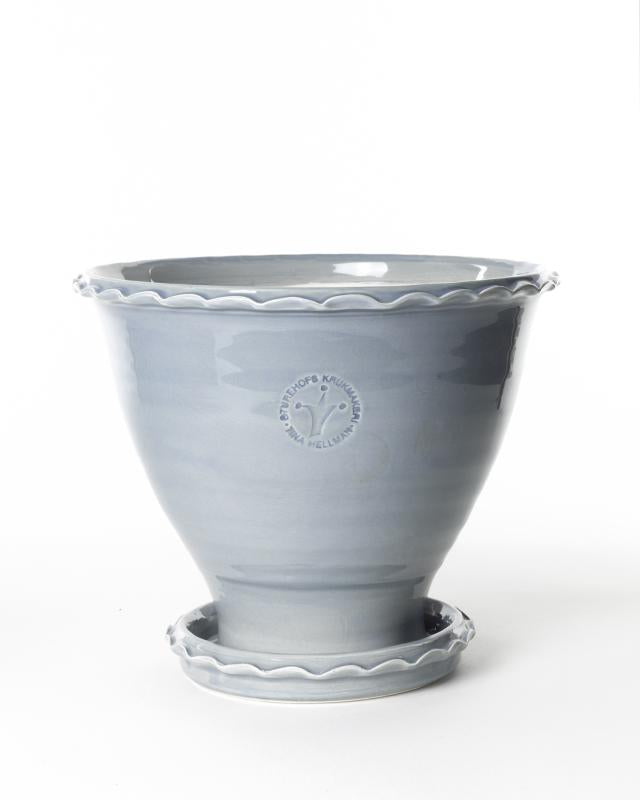
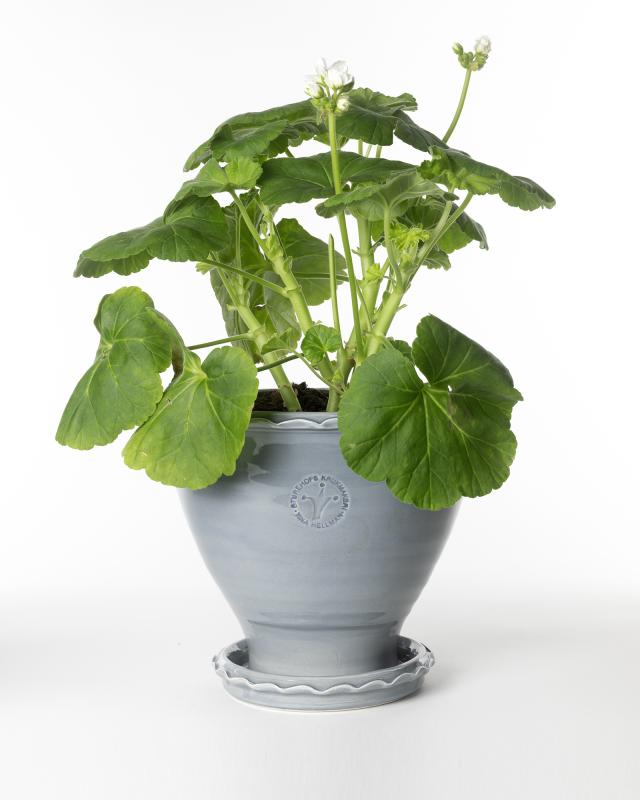
Sturehof Pot - Adelcrantz, 17 cm (6.69 inches) gray
Color: Gray


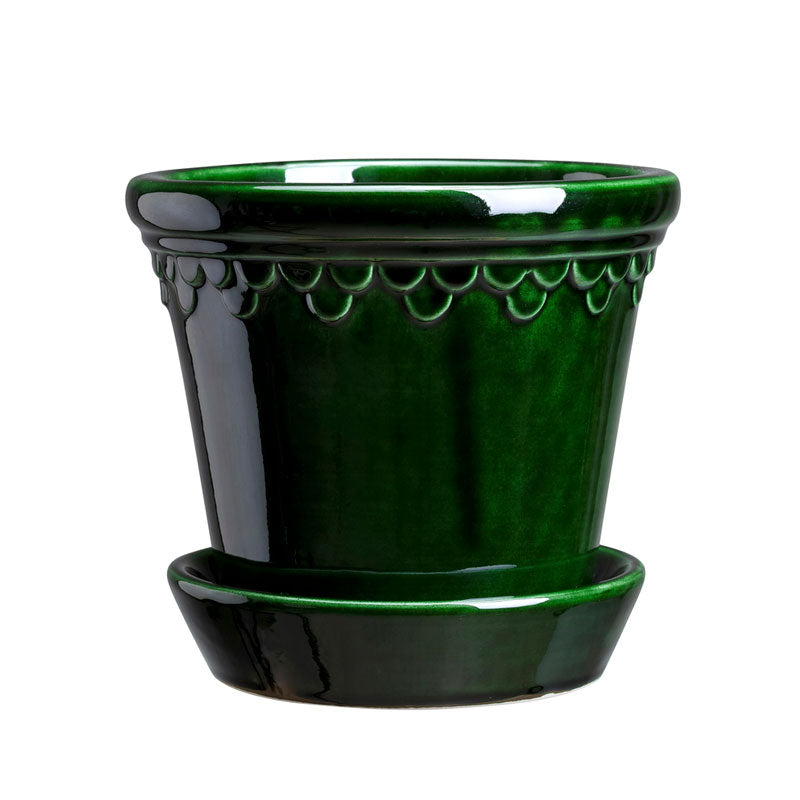
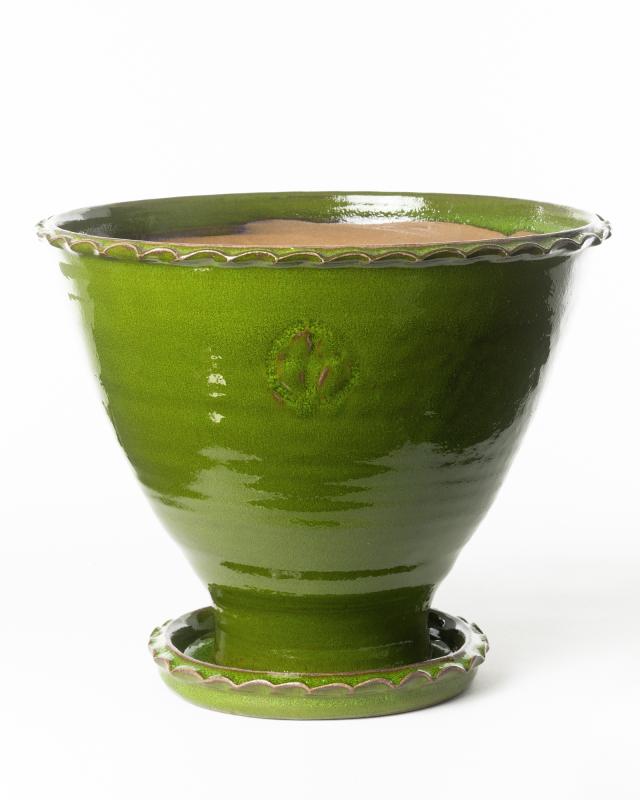
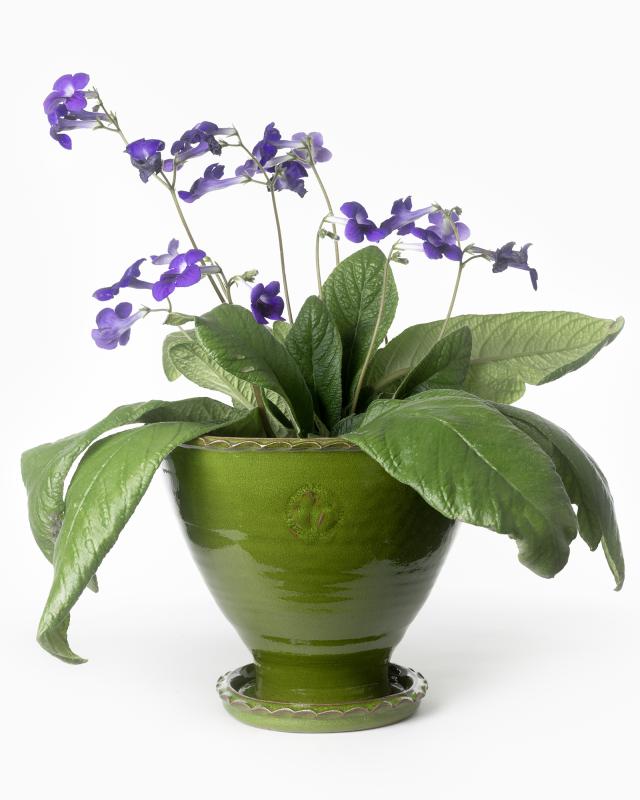
Flower pot in high-quality clay with beautiful glaze, handcrafted in Stockholm. The pots have an unglazed bottom with drainage holes and an accompanying saucer, making them well-suited for planting various types.
Color: Gray
Pot Diameter: approx. 17 cm (6.69 in)
Pot Height: approx. 13 cm (5.11 in)
Saucer Diameter: approx. 12 cm (4.72 in)
We deliver with


Deliveries
- Shipping cost is based on weight, volume, and shipping method and is calculated at checkout.
- Items in stock are shipped from us within 2–5 business days.
- For customers outside the EU (excluding Norway), local taxes, duties, and customs fees may apply depending on your country's regulations and will be charged by the carrier.
How to return an item:
As a customer, you always have a 30-day right of withdrawal. To make a return, please complete our return form. There you will also find more information about returns and our return terms.
Return terms:
- The product must be returned unused, complete, unassembled, and in its original packaging, and must be securely packed in protective outer packaging in the same way as when it was delivered. Original packaging sealed with packing tape will not be accepted. Return shipping costs apply.
- Heavy/fragile goods/long goods must always be returned by pallet freight.
- Tiles must be returned in dry, clean and unopened packaging.
- Once the return has been inspected and processed, a refund will be issued within approximately 5–10 days using the same payment method as used for the purchase. Delivery shipping costs are not refunded. If a return is not approved, we reserve the right to make a deduction corresponding to the depreciation in the product’s value.
- The right of withdrawal does not apply to timber (wooden floors, mouldings and panelling) or custom-made orders such as tinted paint, special alloys, made-to-measure products or assembled/painted products.
Here you can find our complete terms and conditions.
No problem! We will order what’s missing and ship your order in full once all items are ready. If you prefer a partial delivery, please contact our customer support – we’re happy to assist you!
-
✓ We ship world wide!
-
✓ 30 days return policy
-
✓ Personal support