


Style History ~ 1910-1920 National Romanticism
Housing, Lighting, Wallpapers & Fireplace
The National Romantic Home
During the 1910s, architects and artists began to take an interest in home interiors, advocating for practical and beautiful homes accessible to all social classes. The 1917 Home Exhibition at Liljevalchs in Stockholm played a significant role in demonstrating how small homes could be pleasantly furnished with affordable furniture. This era also saw continued technological advancements, notably the standardization of electric lighting in urban stone buildings and larger villas. Central heating, flush toilets, and bathrooms in larger apartments and villas marked a new standard in housing.
The decade introduced significant technological achievements like the electric stove and the vacuum cleaner. In more lavish settings, the interior decoration was dominated by a romantic view of history with inspirations drawn from the Viking Age and the medieval period. This influence was particularly evident in painted wooden ceiling panels, whitewashed walls, rough wooden floors, and rustic built-in seating in deep window nooks and staircases. Oak and mahogany were commonly used in woodwork, though dark-stained pine was a more affordable option. Despite the installation of central heating, tiled stoves were often used to complement the heating system, and large residences also featured fireplaces to evoke the communal spirit of ancient times.
Walls were adorned with hand-woven textiles in bright colors, frequently depicting Norse motifs, and hand-forged crowns were common in ceilings. However, when it came to everyday items, this style did not permeate as extensively as the Art Nouveau style had previously.
Lamps & Lighting - 1910s
In Stockholm, only about 20% of residents had electric lighting in 1910. However, in the recessed entrances of multi-family buildings, there was often an electric lantern made of wrought iron and glass. On the facade of villas, a fixture made of, for example, copper sheet with yellow pressed glass was commonly installed. Even street numbers could be illuminated, either in the transom window above the door or as a copper sheet lantern on the facade.


In lavish interiors, fixed ceiling fixtures with bare light bulbs can be mounted in the corners of the room and integrated into the decor.
The electrical wiring is surface-mounted and made of twisted textile cords attached to porcelain insulators in ceilings and walls. The switches and electrical outlets are surface-mounted and usually installed on wooden plates. Bakelite was patented in 1908 and quickly became popular in electrical products due to its heat resistance and good insulating properties, combined with the fact that it was cheaper than porcelain. When it came to switches, porcelain and bakelite coexisted for many years and were equally popular during the first decades of the 20th century.
During the 1910s, it became common to antique-dye brass to give lamps an older appearance. Before the introduction of tungsten light bulbs in the 1910s, clear glass shades were most common in ceiling and wall lamps. The glass was cut into patterns to refract the light and, to some extent, prevent glare. The most common pattern was a checkered pattern, often with a cut star at the bottom of the glass.
During the first two decades of the 20th century, frosted and bubbly glass, known as crocodile glassBefore the introduction of stronger tungsten light bulbs in the 1910s, opal white glass was only used in open shades where the light needed to be directed, such as in opal white shoemaker's shades. With the introduction of stronger light bulbs came the need to diffuse the light without causing glare, which is best achieved with opal white glass.
Wallpapers - 1910s
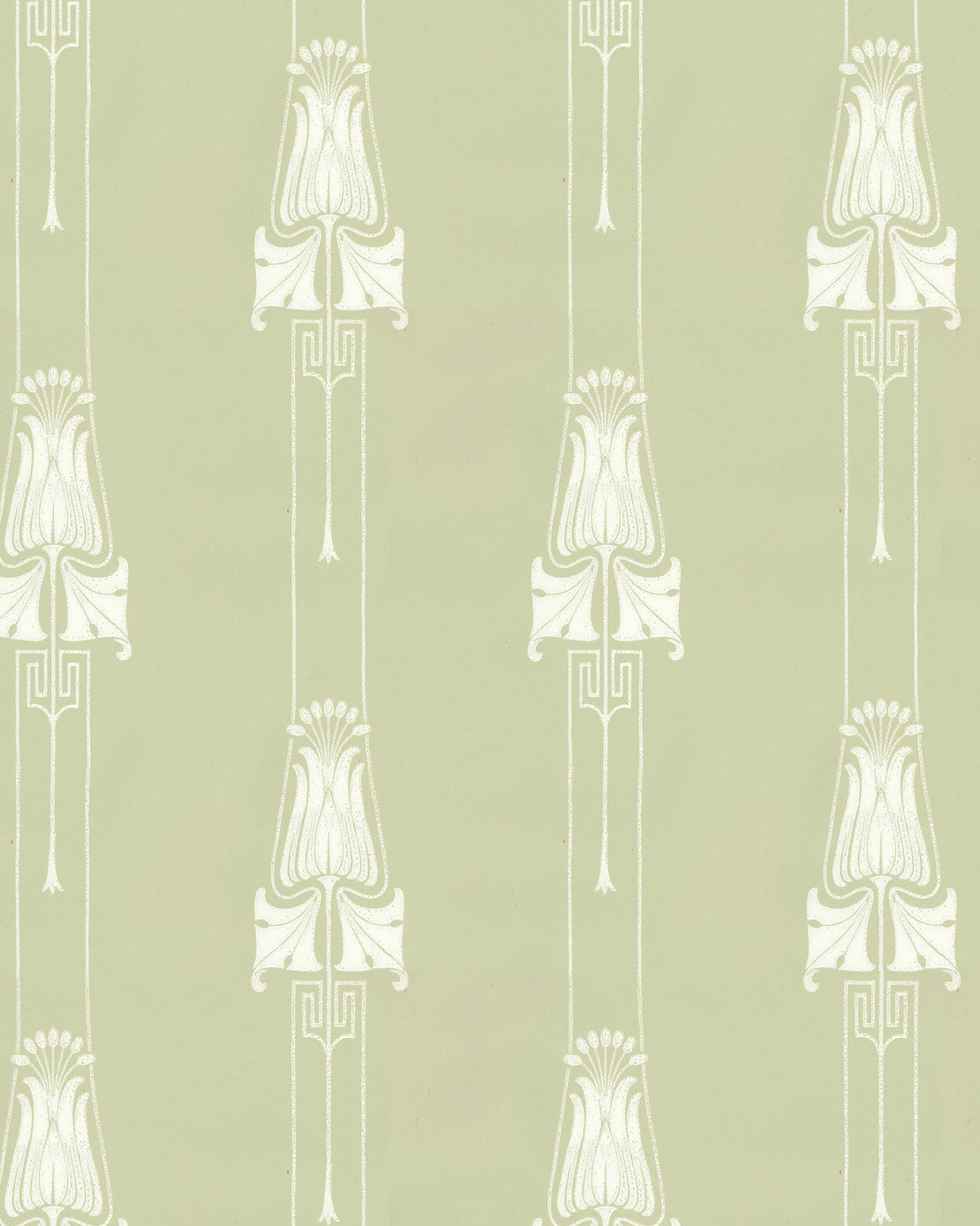
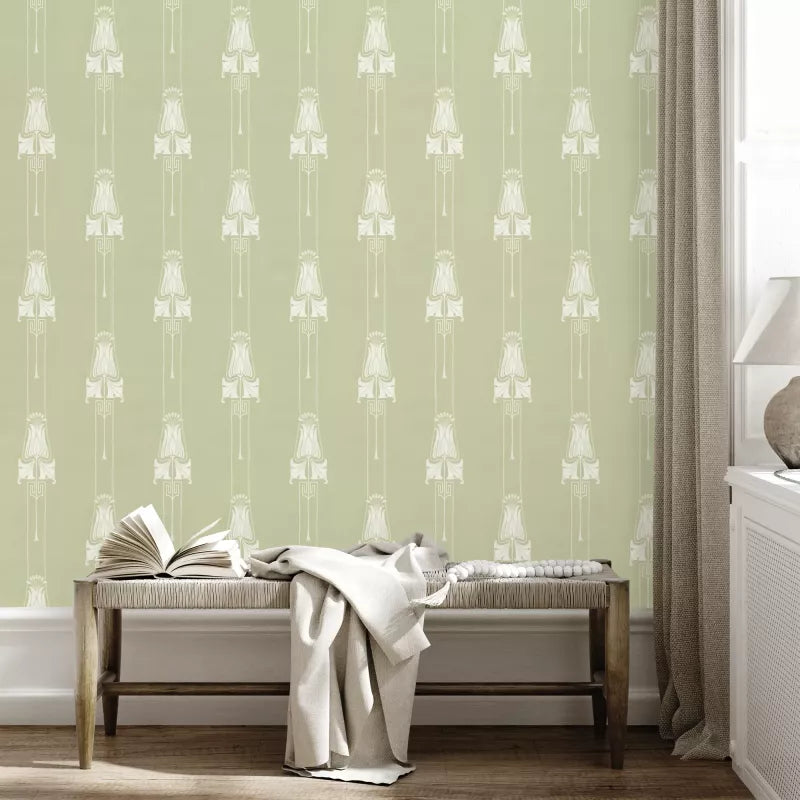
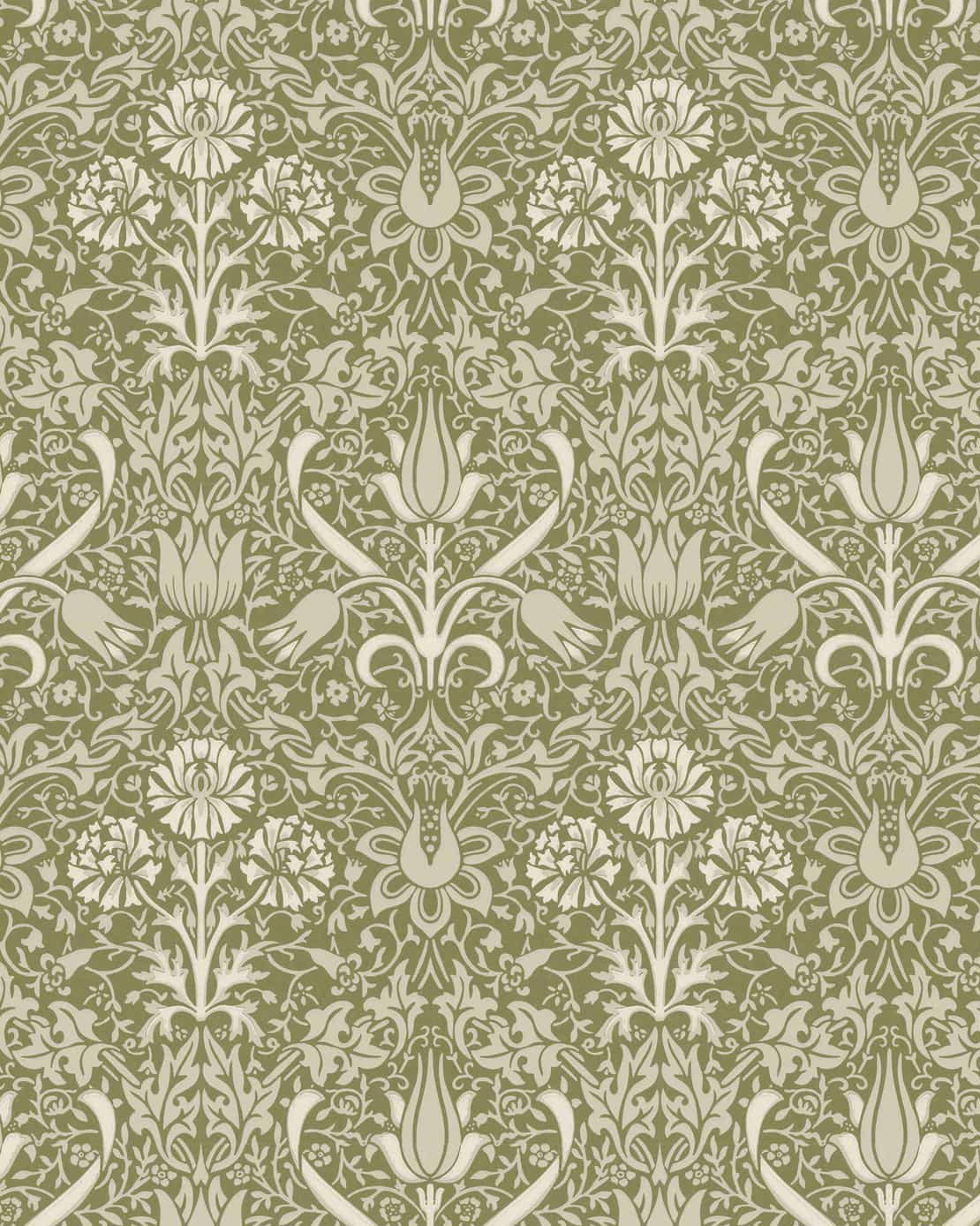
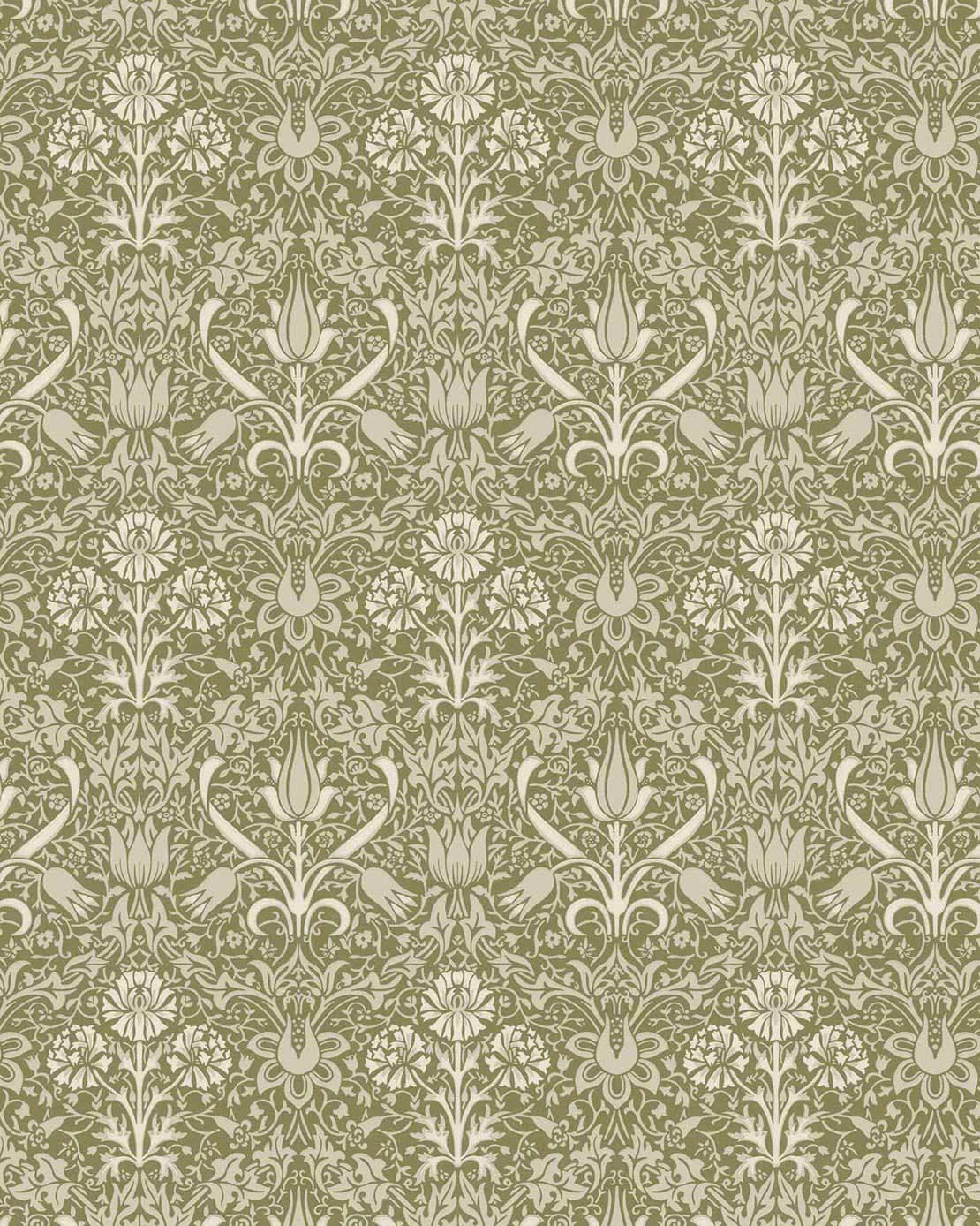
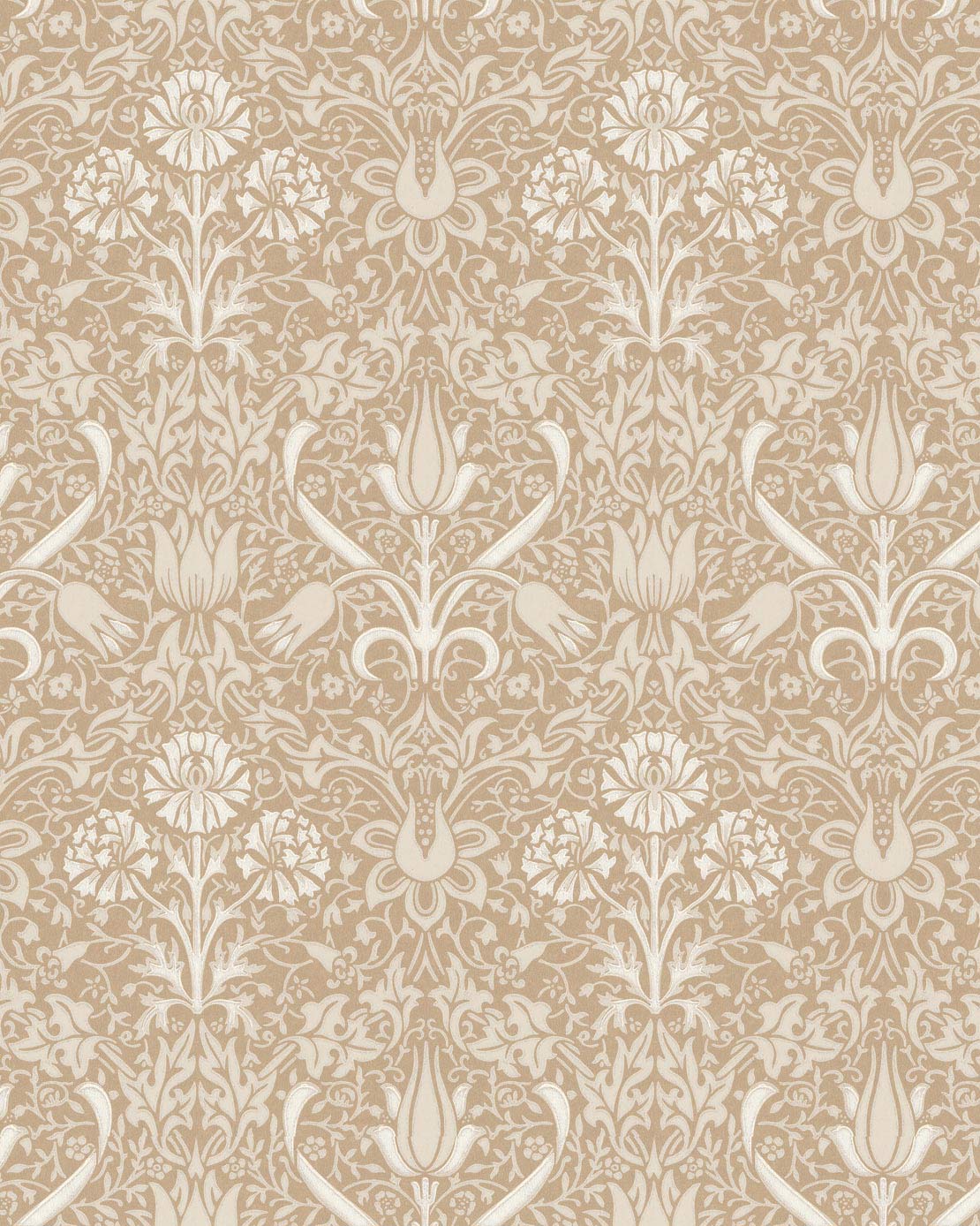
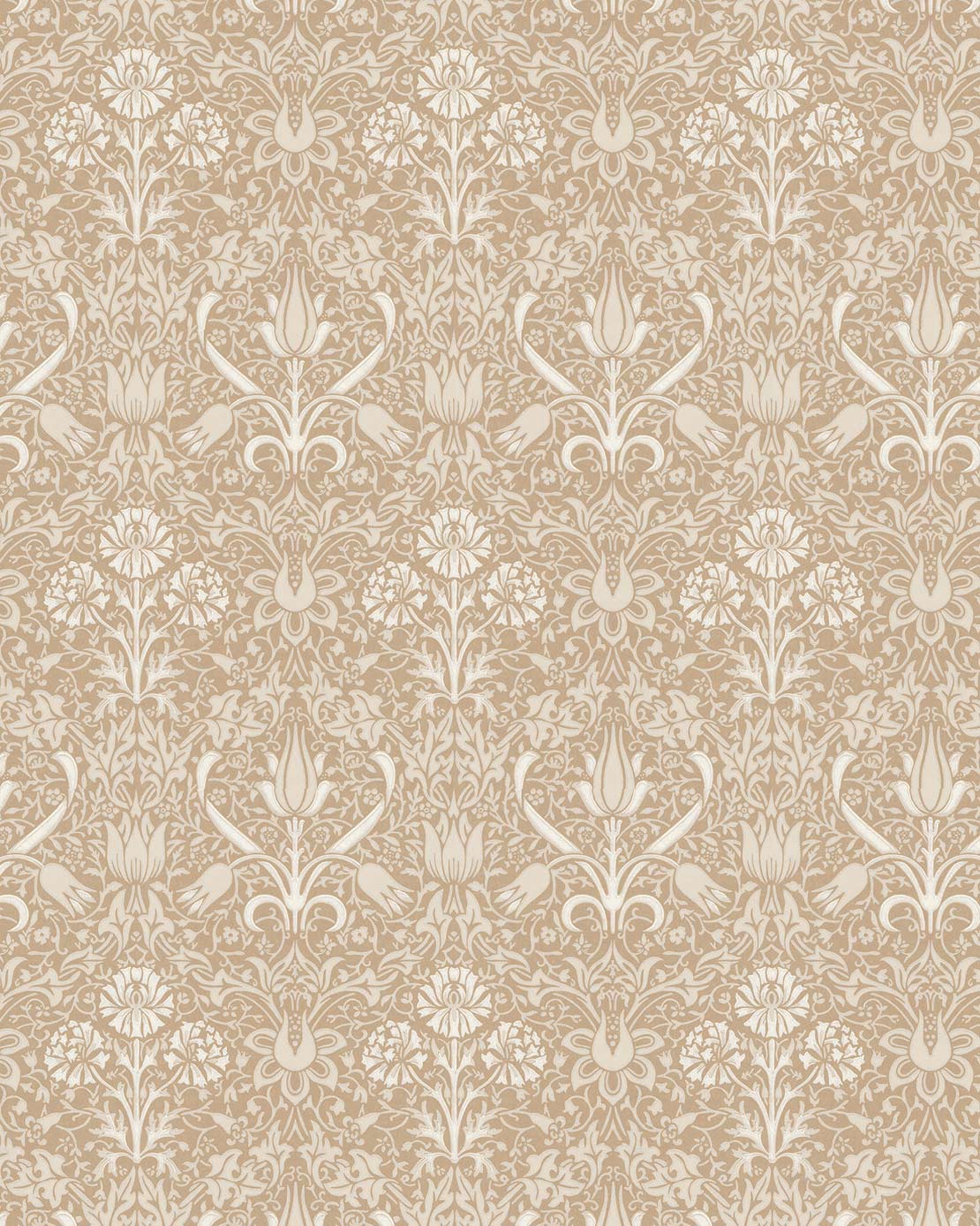
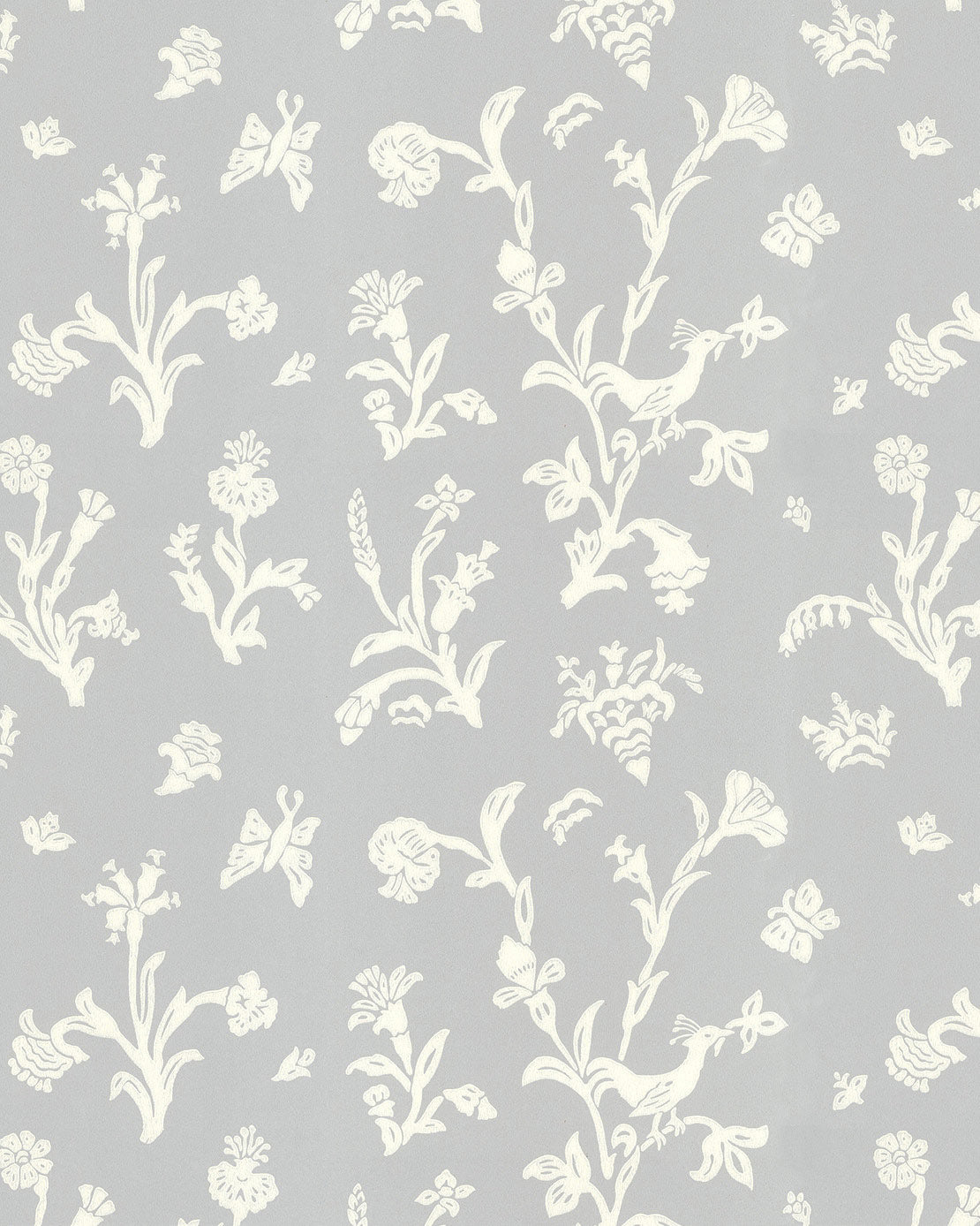
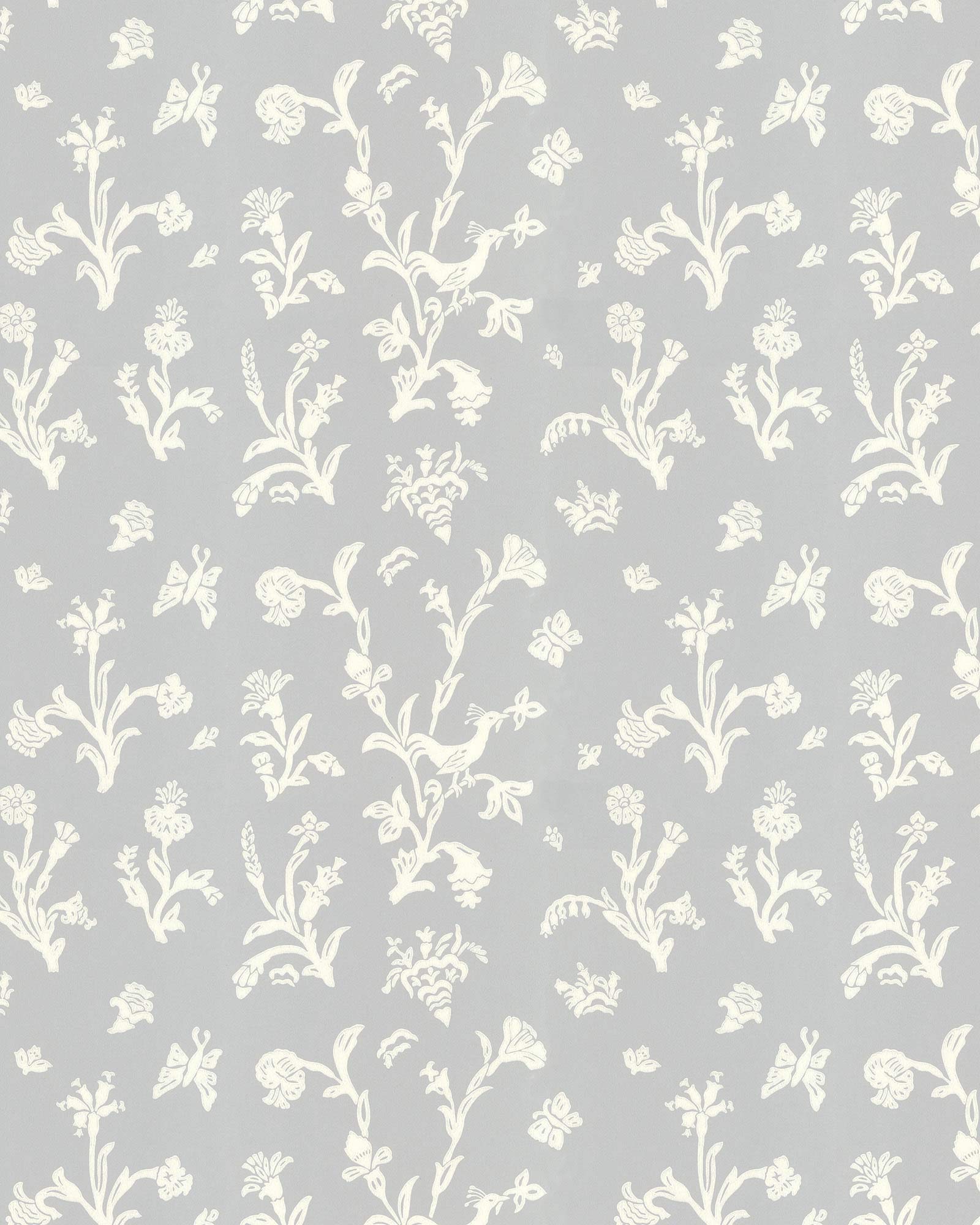
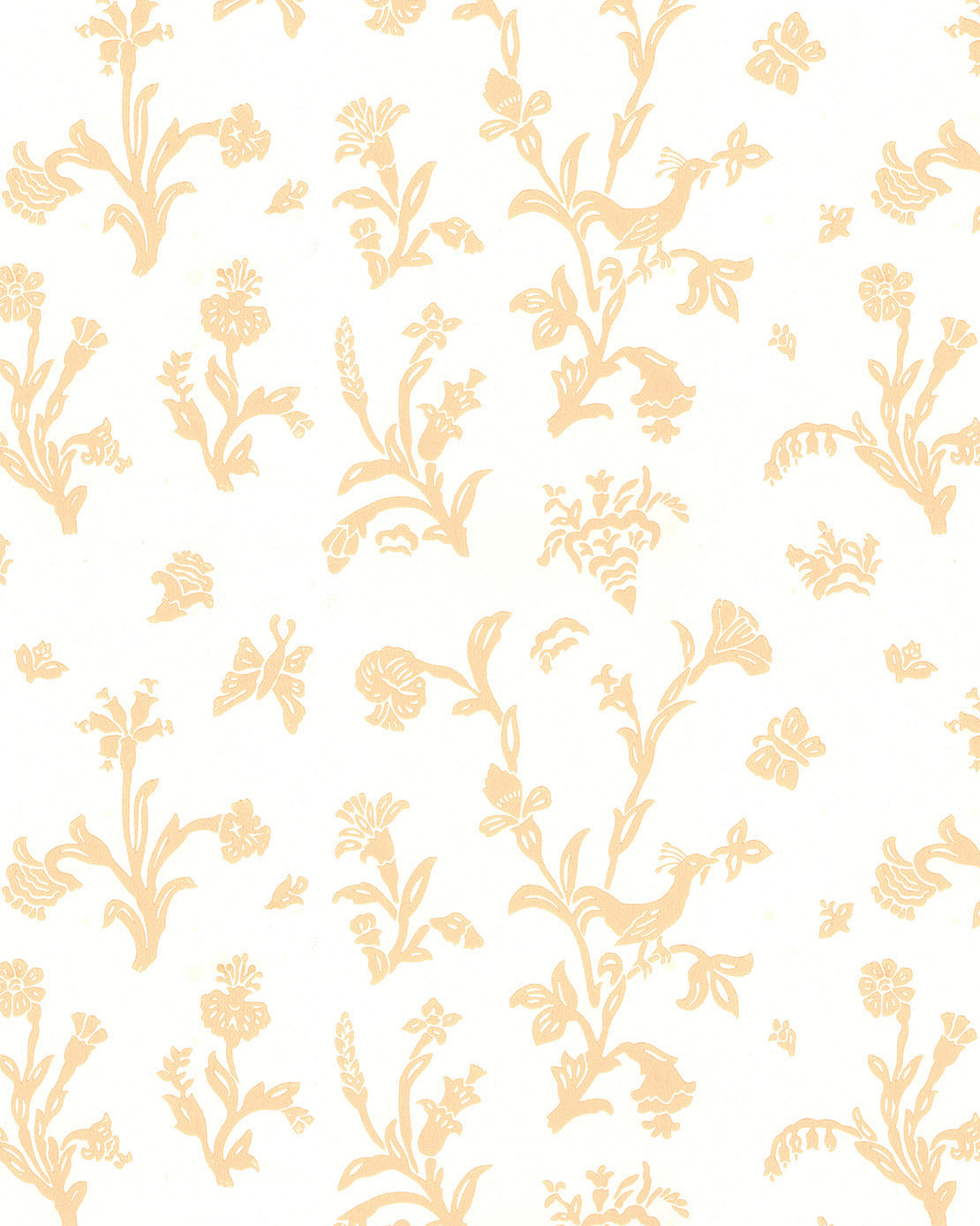
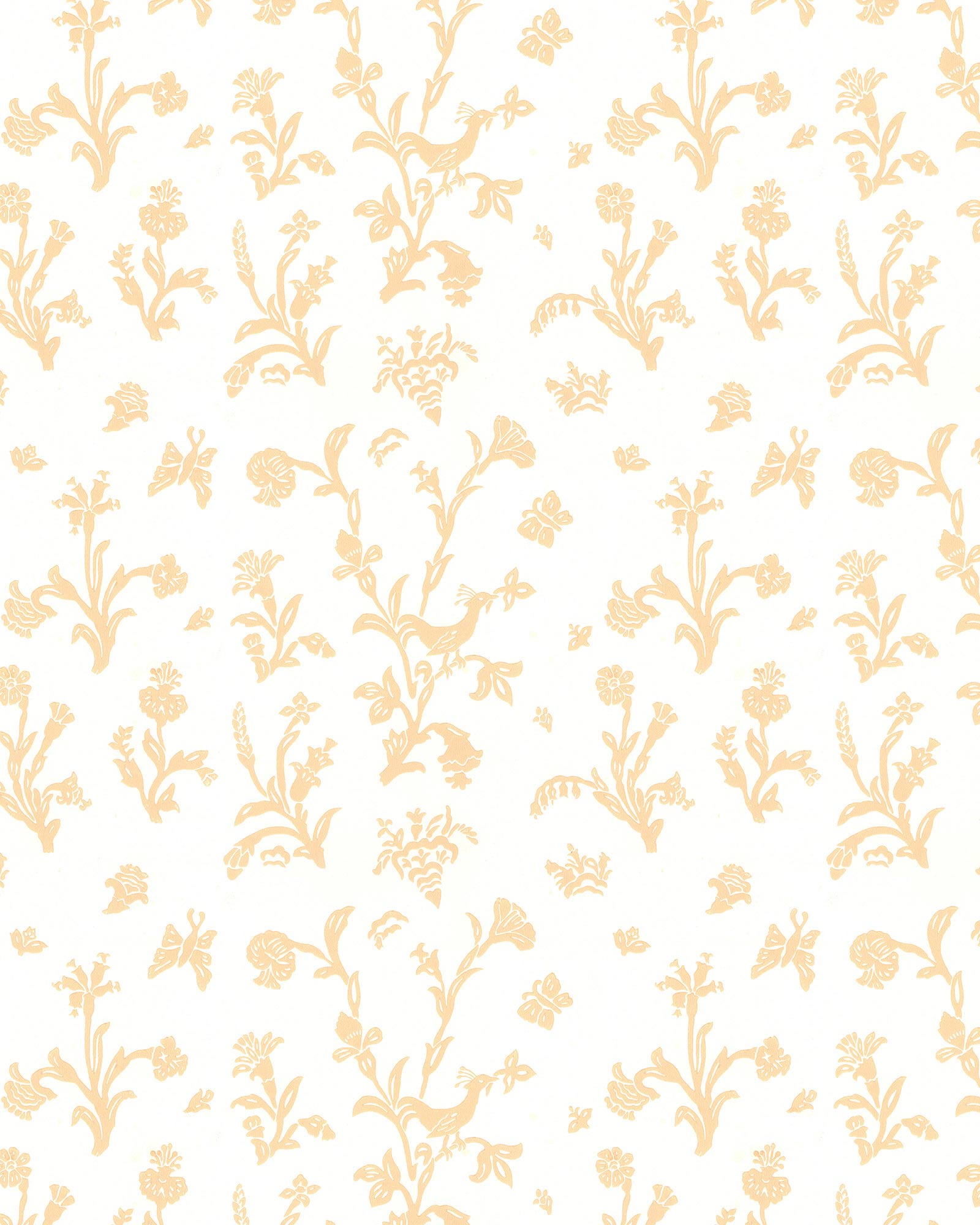
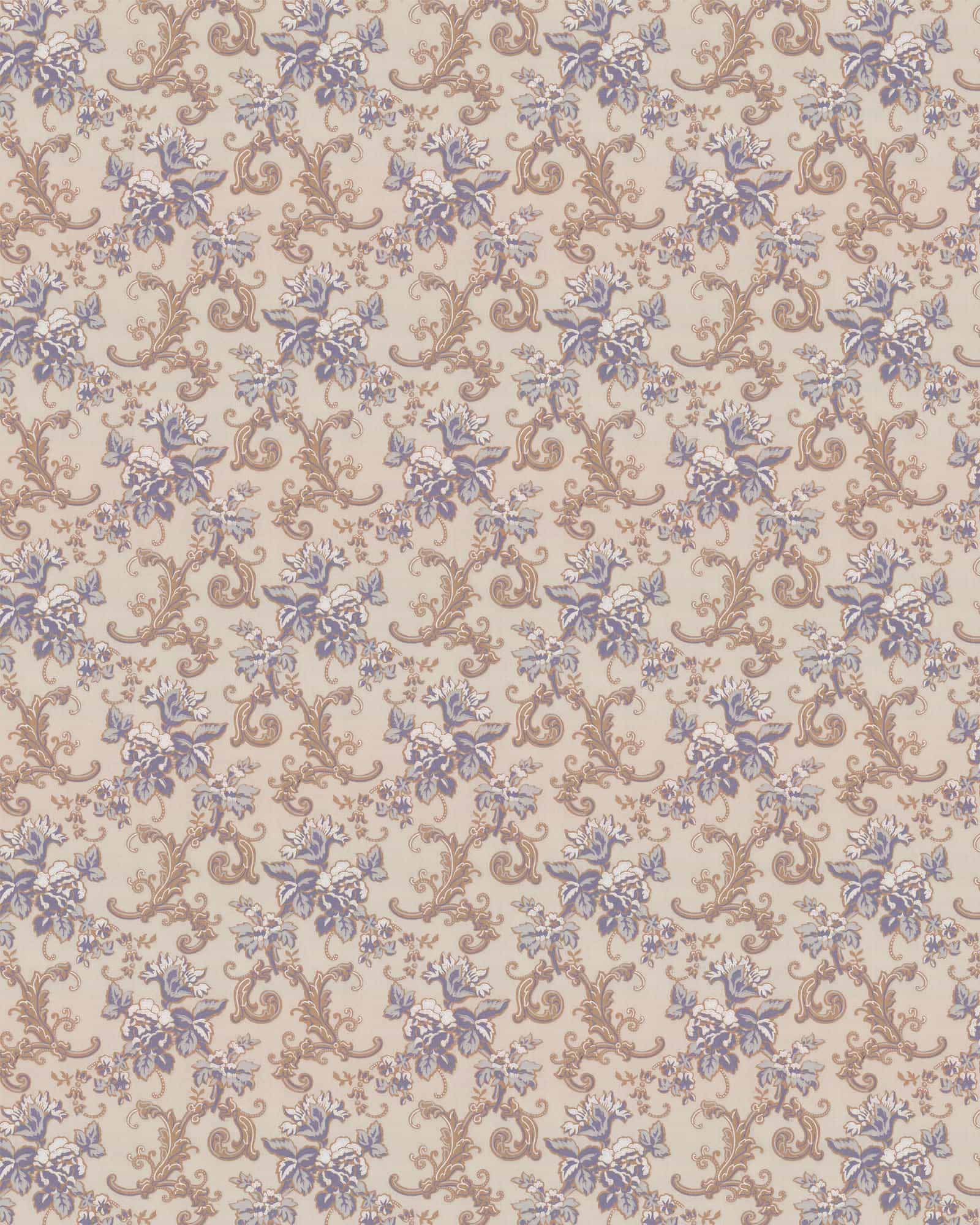
During World War I, wallpaper fashion changes. Small-patterned wallpapers with little bunches of flowers break through on a wide front from 1915 and spread coziness. Large-scale Art Deco patterns are launched with strong black outlines and bright colors, preferably with elements of birds. In luxurious apartments' dining rooms, dark tapestry wallpapers continue to be popular, and in the living room, wallpapers that mimic shimmering silk fabric in light colors are chosen. For bedrooms, light wallpapers with flowers are selected.

Fireplaces – 1910s
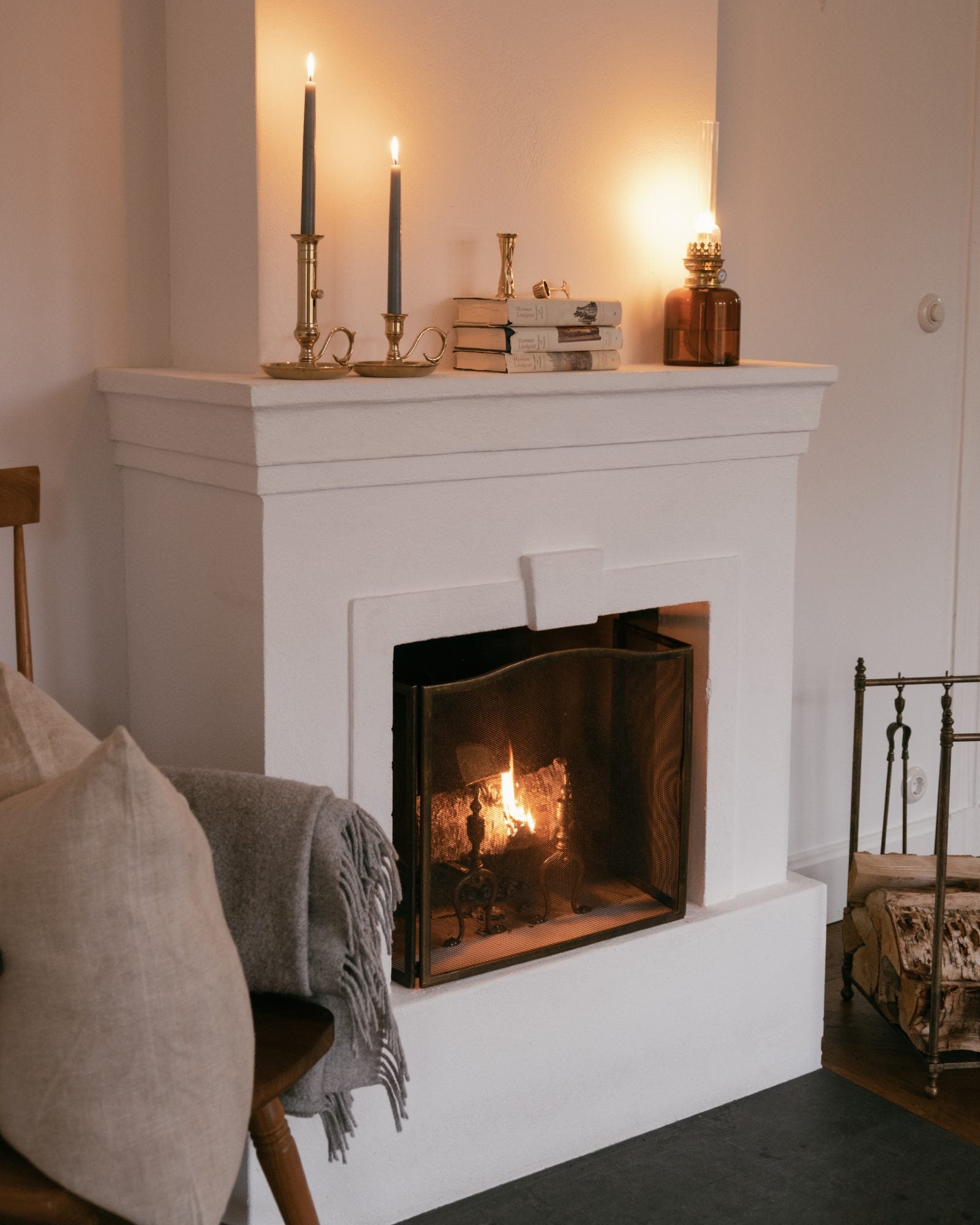
As part of the National Romantic ideal, open fireplaces are built in larger residences. Since houses are now commonly heated with central heating, the traditional tile stoves are no longer necessary, leading to the construction of a comfort-creating open fireplace. The open fireplace is designed to evoke earlier times when people gathered around an open fire. These fireplaces are often placed centrally on a wall in a spacious hall or in a corner of a living room. The fireplace is designed with a mantel, either plastered or clad with marble.

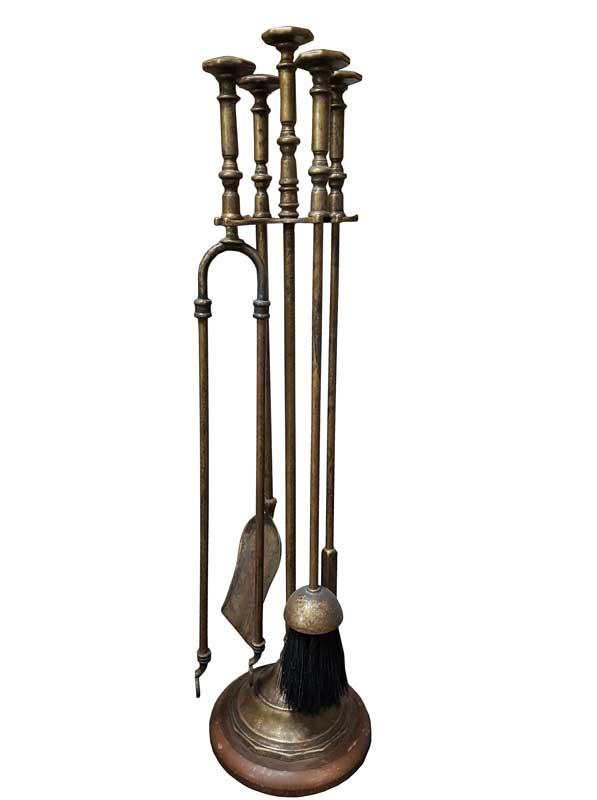

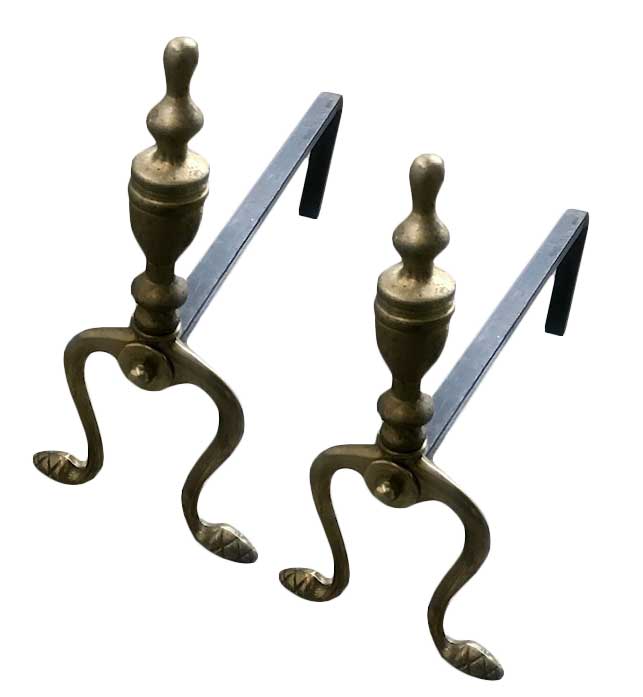
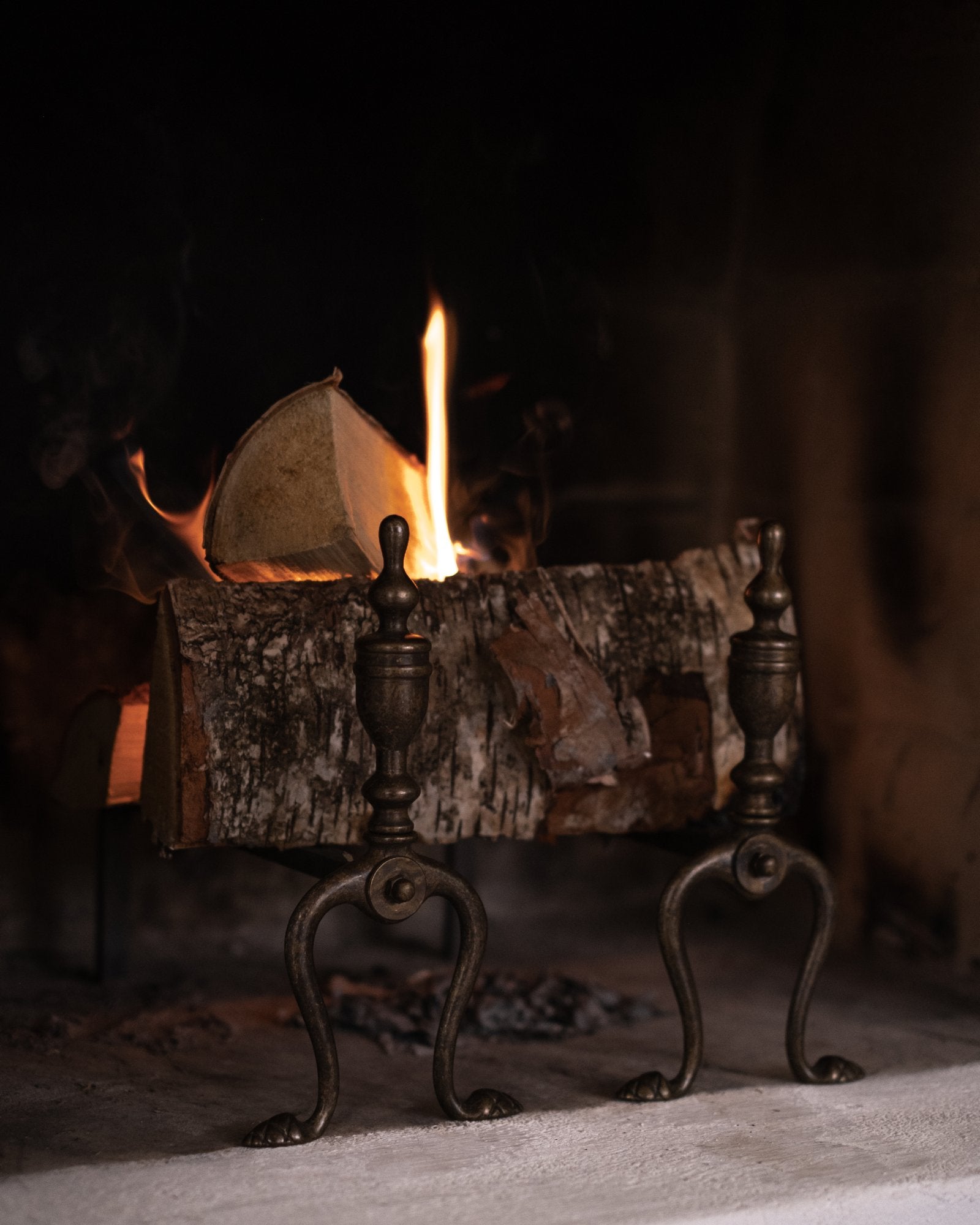
Due to the fuel shortage during the war years, central heating is supplemented in some cases with tiled stoves in simpler rooms. The national romantic tiled stove is designed both round and flat with simple floral patterns on parts of the stove. There are also solid-colored stoves in pale green or blue with relief tiles. Box-shaped tiled stoves with a tapering top are a new feature.