Here, an old dining table from the late 1800s is given new life with the help of linseed oil wax!
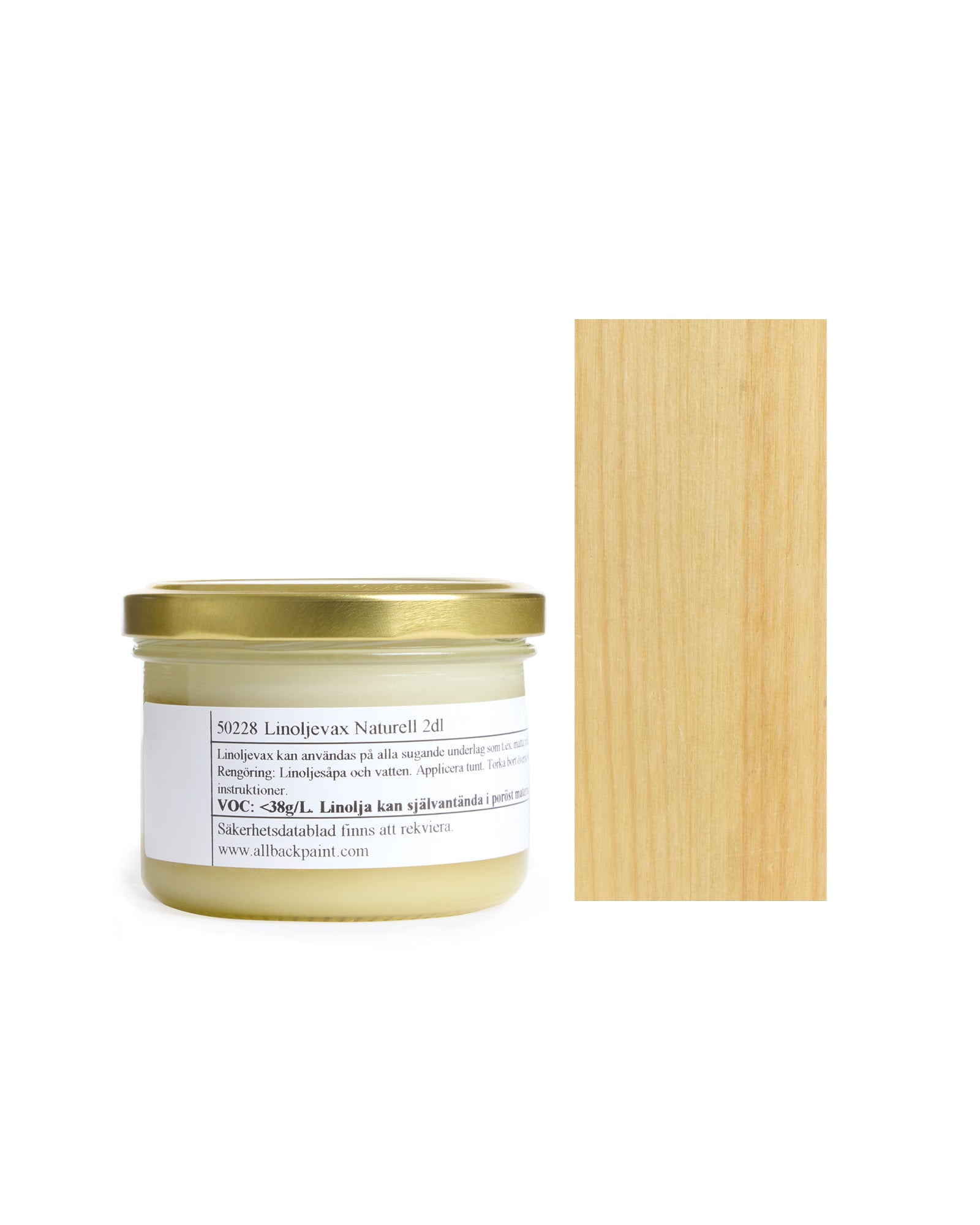
- After the tabletop has been sanded, the linseed oil wax is applied directly onto the bare wood using a sponge.
- The wax is worked into the wood in the direction of the grain and then left to absorb for 15–20 minutes.
- Any excess is then wiped off with a cloth, preferably terry cloth. The wax creates a protective and water repellent surface that makes the table easier to keep clean. If the excess wax is not removed, the surface will become sticky with uneven sheen, where dirt easily collects.
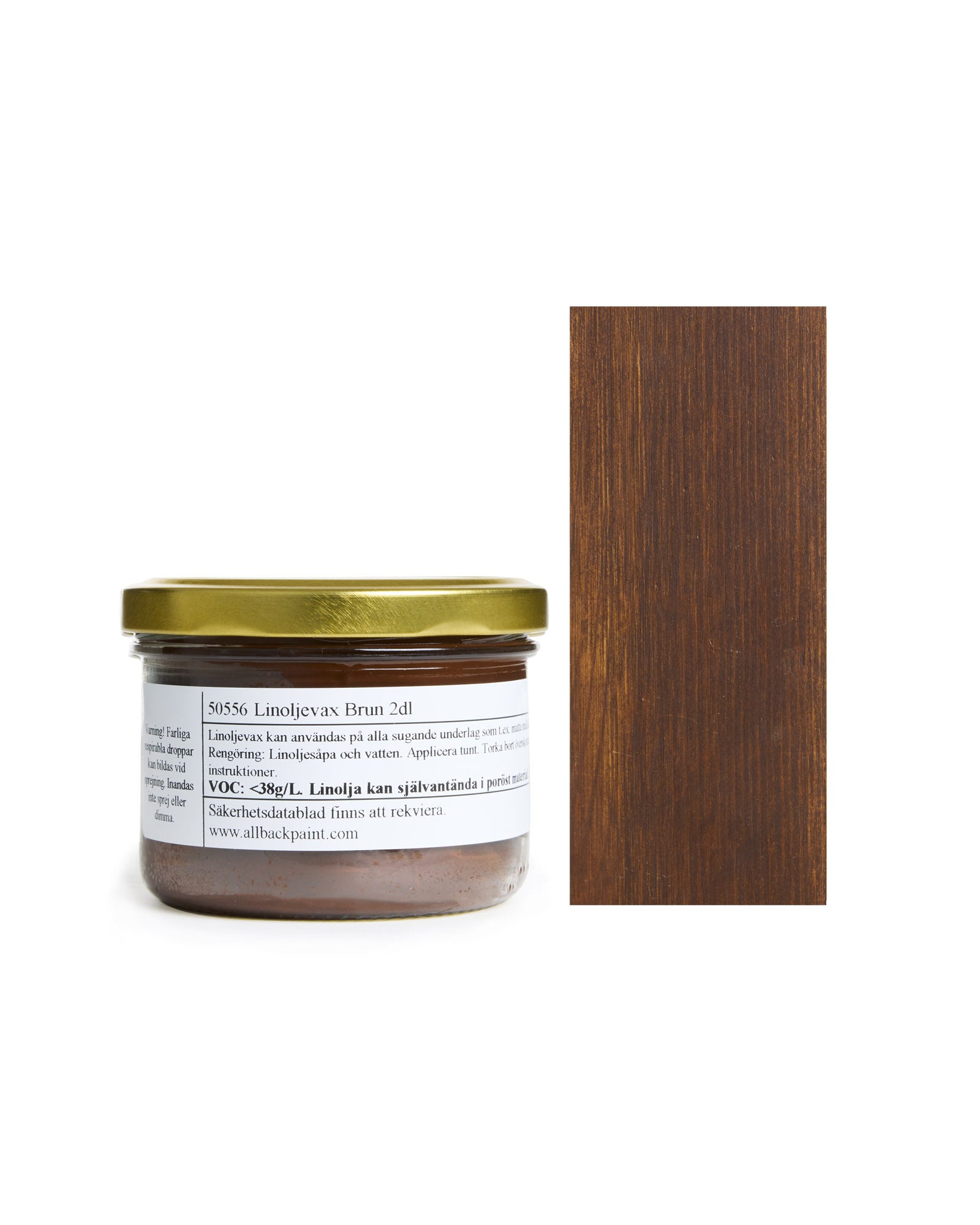
We used Natural Linseed Oil Wax without pigment, but the wax is also available in several different colors. To achieve a specific shade, you can mix different wax colors or dilute a pigmented wax with a clear one for a lighter tone.
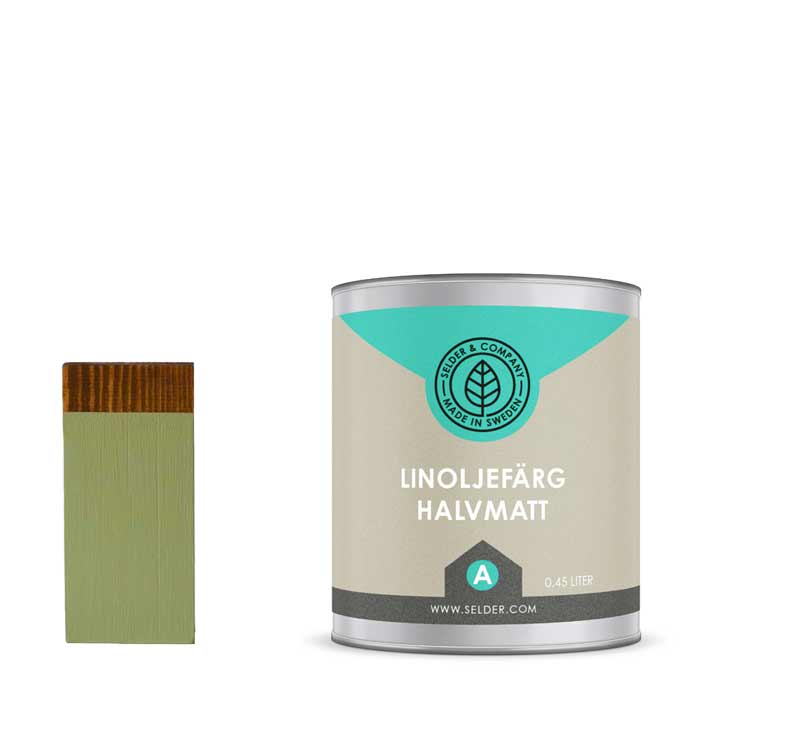
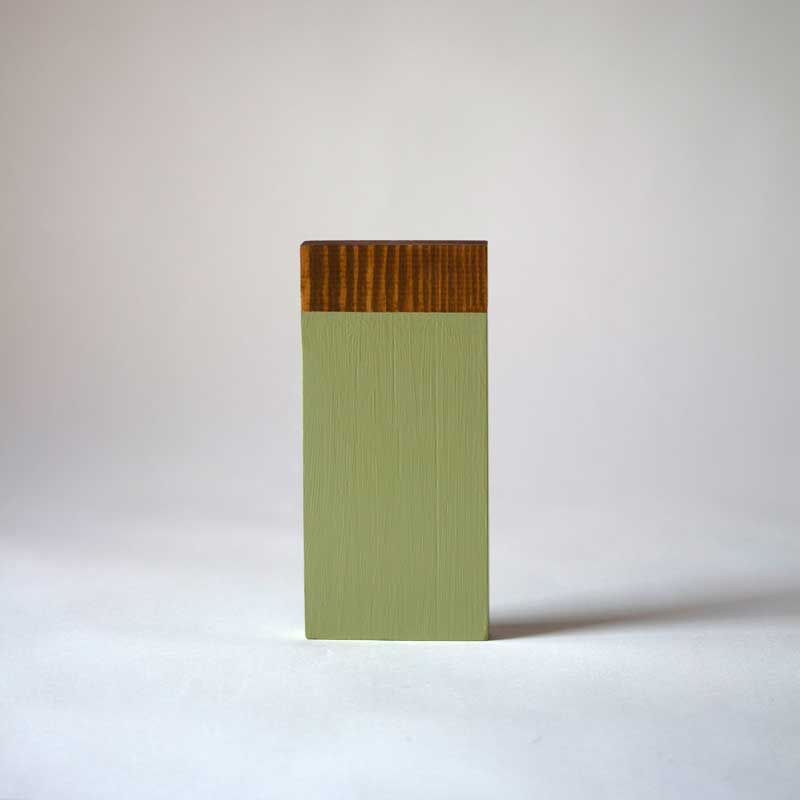
The legs and frame are painted with linseed oil paint in the color Linden Green.
See our full range of linseed oil wax here.